Waxing Older and Classic Cars: How to Care for Aged or Single-Stage Paint
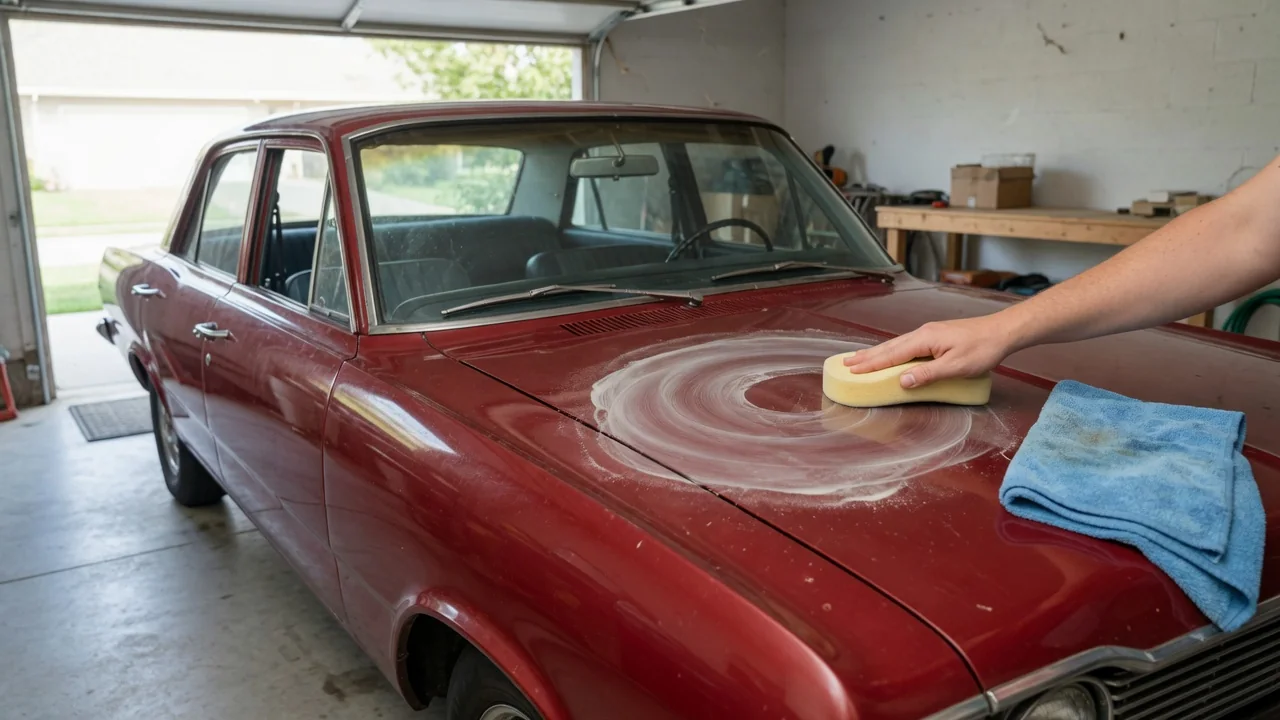
Waxing a classic car is not a simple choice. Older finishes often use single-stage paint, which oxidizes and transfers pigment, unlike modern clearcoats. The wrong wax can dull or remove precious original color. The best car wax for classic cars depends on whether the surface is original, repainted, or faded, and on how the vehicle is stored and driven. Gentle, non-abrasive products and careful technique preserve aged paint and maintain gloss without causing irreversible damage.
Identify Your Paint First: Single-Stage, Clearcoat, or Unknown Repaint
Single-stage paint combines color and gloss in one layer. As it ages, exposure breaks down the binder, allowing pigment to rub off onto a damp cloth or polishing pad. Basecoat/clearcoat systems found on most modern vehicles have a separate clear layer, so pigment transfer is unlikely unless the clearcoat has failed. Knowing which system is on the car determines whether cleaner waxes, pure carnauba waxes, or synthetic sealants are suitable.
Build year alone does not identify the paint. Repaints are common on older vehicles, and shops may have used either single-stage or base/clear products. Check an inconspicuous area with a mild polish: if color appears on the applicator, the finish is likely single-stage or has failing clearcoat. For unknown or thin original paint, treat the surface as fragile. A detailer can use a paint depth gauge to measure thickness before any abrasive work.
What to Look for in the Best Wax for Classic and Vintage Cars
Wax categories serve different needs. Pure carnauba paste wax offers a deep, warm gloss and is safe for most aged paints but has limited durability. Blended waxes add polymers or mild cleaners for easier use and slight defect hiding. Cleaner waxes contain fine abrasives to remove oxidation, while synthetic sealants provide longer-lasting protection with a brighter shine. On vintage finishes, gentleness matters more than maximum correction.
Look for non-abrasive or very lightly abrasive formulas. Product labels may state suitability for single-stage paint, clearcoats, or both. Avoid aggressive compound-style products unless the paint thickness is known and correction is the goal. Ease of application and removal, resistance to staining trim, and compatibility with the identified paint type are practical traits to check. The best car wax for old cars depends on paint condition, storage habits, and usage rather than one universal brand.
Choosing Wax for Older Daily-Driven Cars With Faded or Tired Paint
An older daily driver faces more sun, road film, and wash-induced wear than a stored classic. Lightly dull paint can often be revived with a cleaner wax, which removes oxidation and lays down protection in one step. However, if the finish is deeply faded, chalky, or the clearcoat is peeling, wax cannot restore what is physically missing. In those cases, correction or repainting may be needed before wax offers any visual improvement.
Durability trade-offs matter for cars parked outside. Carnauba wax typically lasts four to eight weeks, while synthetic sealants can protect for several months. If frequent washing or long sun exposure is expected, a sealant or a wax-sealant hybrid may be more practical. Wax improves gloss and adds a sacrificial layer, but it does not repair failing clearcoat, stop peeling, or reverse chalky breakdown. Realistic expectations prevent wasted effort and disappointment.
Dealing With Oxidation Without Removing Too Much Paint
Oxidation on single-stage paint appears as a chalky, faded surface that leaves pigment on a towel. Clearcoat failure looks different: cloudy, milky, or flaking patches where the clear layer is breaking down. Distinguishing between the two is important because aggressive correction on single-stage paint will remove color, while clearcoat failure cannot be polished away. Observation of the surface and a simple cloth test guide the correct approach.
The least-aggressive-first method is safest. Start with a thorough wash and decontamination to remove grit that can scratch. Then try the mildest cleaner wax or polish on a small area. If gloss improves, continue gently. Avoid repeated heavy compounding, especially on edges and body lines where paint is thinnest. For valuable, original, or rare finishes, consult a professional detailer before machine polishing; permanent paint removal is irreversible.
Gentle Waxing Technique for Aged Finishes
Preparation prevents scratches. Wash the car in the shade on cool panels to keep the product from drying too fast. Use clean, soft microfiber towels and foam applicators; trapped grit creates swirl marks. Rinse thoroughly and dry with care before waxing. Working on one panel at a time ensures the wax does not haze excessively and remains easy to remove without heavy rubbing.
Apply thin, even coats according to the product’s directions. A little wax covers a large area; thick layers waste product and are difficult to buff off. Protect rubber seals, emblems, chrome, and unpainted trim by taping them or applying a masking product before waxing. If pigment transfer increases suddenly or the surface looks patchy, stop. That indicates the paint may be thinner or more fragile than expected, and professional input is needed.
Protecting Original Paint and Quality Repaints Over Time
Original factory paint holds value for collectors. Preserving it means minimal intervention: no heavy polishing, no abrasive cleaners, and careful hand waxing with non-abrasive products. Each time paint is corrected, a small amount of material is removed. Over decades, this can wear through the color layer. Keeping the car clean and protected reduces the need for correction and maintains the finish’s authenticity.
Fresh repaints require patience. Painters often recommend waiting 30 to 90 days before waxing to allow solvents to escape. Follow the painter’s instructions exactly. Storage habits also matter: indoor or covered parking, breathable car covers, and avoiding dusting dry paint with a dry cloth prevent micro-scratches. Reapply wax when water beading slows or the surface looks dull, not on a fixed calendar schedule. Observation is more reliable than a set interval.
Common Waxing Mistakes on Classic Cars and When to Call a Professional
Common errors include working in direct sun, which causes wax to dry too quickly and streak. Heavy-cut compounds remove too much paint, especially on edges. Over-buffing creates heat and friction, risking burn-through. Thick coats are hard to remove and waste product. Testing any new wax or cleaner on a small hidden area first is essential, even if the product claims to be safe for older cars.
Some conditions need professional assessment. Cracking, crazing, lifting paint, rust bubbling under the surface, or unknown prior repairs indicate structural problems that wax cannot fix. Wax is maintenance, not restoration. If the paint is failing or the vehicle’s value is high, consult a professional detailer or paint specialist before attempting any product. The best car wax for older cars is the gentlest one that meets the paint’s actual condition and the owner’s realistic goals.