Wash-and-Wax Car Shampoo: How It Protects Paint and How to Use It
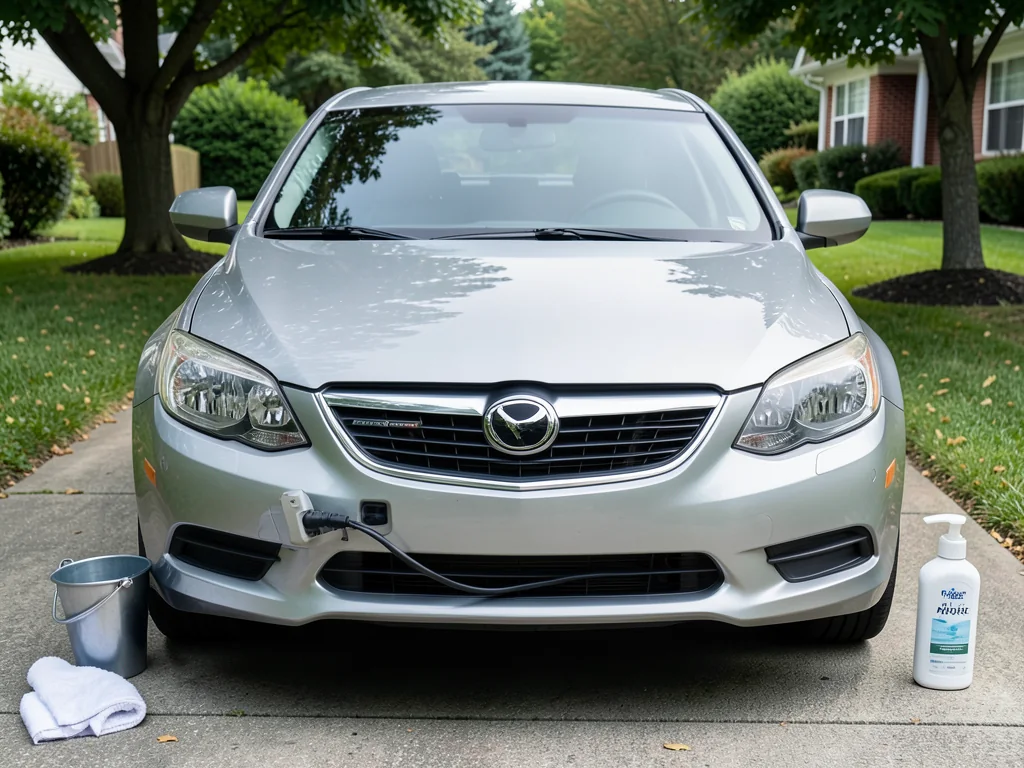
Wash-and-wax car shampoo is car wash soap with wax meant to clean paint and leave a light film. Whether labeled car shampoo and wax, car wash and wax soap, or wash and wax car shampoo, surfactants lift dirt while carnauba or synthetic additives can add modest gloss. It does not replace a dedicated wax job, and results depend on dilution, rinsing, and existing protection.
What Wash-and-Wax Shampoo Does During a Wash
During a car shampoo wash and wax, detergents and surfactants wet the surface and loosen road film so a mitt can lift it away with less abrasion. At the same time, wax for car wash formulas may leave a thin deposit of carnauba or synthetic protective additives on the clear coat. That deposit is a surface residue, not a rebuilt coating. How much dirt lifts and how much additive stays behind depends on the formula, label dilution, water hardness, panel temperature, and how thoroughly you rinse.
A car wash & wax soap is built for routine washing plus a modest paint gloss and protection boost, not for bodywork. Wash and wax a car with this type of shampoo and you still have the same scratches, swirl marks, oxidation, and clear-coat damage you started with. The product does not polish, compound, or restore faded paint. Treat car wash soap with wax as a cleaner that may leave a light film, and judge it by how well it rinses and how the finish looks after a proper dry, not by foam height.
Carnauba, Synthetic Additives, and Hot Wax Labels
A car shampoo with carnauba wax, or any carnauba wax car wash, blends a plant-derived wax into wash soap. Carnauba wax for car wash use is a natural hard wax that can contribute to shine when it remains on paint, but seeing carnauba on the label does not prove durability, thickness, or water beading. Synthetic waxes and polymers in a car shampoo with wax can also support gloss and water repellency. In either case, the complete formula, not the ingredient name, determines how a carnauba car wash and wax actually behaves on your finish.
Hot wax car shampoo wording can mean a hand-wash soap with wax, a tunnel-wash additive, or a separate heated system. Confirm the bottle is a wash & wax car shampoo for bucket use before treating it as car soap and wax. Follow the stated water temperature and method. That language does not tell you to heat the shampoo or flood hot water onto paint, which can dry film too quickly. Match the product to a true hand-wash car wash carnauba wax or synthetic soap if that is how you wash.
The Gloss and Protection You Can Realistically Expect
After a car wash and wax, paint often looks glossier because soil is gone and light scatters more evenly off a clean clear coat. Any leftover car wash wax can add a slight slickness that deepens that look. Water beading or sheeting may appear after a wash wax car shampoo, but neither pattern proves coating thickness, durability, or UV protection. A wax car wash can leave a light hydrophobic film, yet the same beading can come from an older sealant still on the paint. Judge shine on dry panels, not wet foam.
How long a car wax and wash effect stays visible depends on weather, road film, bird droppings, existing protection, and the next wash. Rain, sun, and frequent car washing wax cycles can thin or strip the light deposit quickly. A later wash with a stronger soap can remove what the previous car wax wash left behind. Do not treat any formula as a timed shield. The finish remains open to scratches, etching, and contaminant damage, so a good car wash and wax still needs careful technique and, when the paint needs more, a separate protection step.
Where Standalone Wax Fits Into Paint Care
A wash and wax car soap does not automatically replace standalone wax. The light film from car wash soap and wax is a maintenance deposit, not a complete protective treatment you can count on like a dedicated paste, liquid, or spray wax applied to a prepared surface. If the existing wax, sealant, or coating allows a wax and wash car routine, the shampoo can refresh slickness between those applications. If the maker of that coating warns against wax additives, skip this soap and use a compatible wash. Read both labels before mixing chemistries.
Repeated wash wax car cycles do not build a predictable stack of durable layers. Each wash rinses some residue off while depositing a little more, so thickness and coverage stay uneven. When water no longer sheets or beads as it used to, or when the paint looks dull after a thorough wash and dry, a separate protection step may be appropriate. Follow that wax or sealant's own prep and application rules rather than inventing a calendar interval. Wash and wax car wash soap is the wash step, not the substitute for that dedicated layer.
Choosing a Formula for Your Finish and Wash Routine
Searches for the best car shampoo and wax, best wash and wax car shampoo, or best car wash soap with wax are asking for a formula that matches your finish and method. Look for clear label dilution, stated hand-wash use, permitted surfaces, and easy rinsing. The best car shampoo with wax for one owner is a bottle that lists paint, wheels, or trim honestly and does not leave film on glass. Foam volume and a carnauba name do not rank products. A best car wash with wax choice is the one you can mix correctly and rinse completely.
Matte or satin paint, vinyl wraps, paint protection film, and ceramic coatings need explicit manufacturer guidance before you use car wash soap wax or a gloss-boosting wash. Those additives can stain a matte surface or conflict with a coating's chemistry. pH-neutral wording alone does not prove cleaning power, protective durability, or universal compatibility. Check temperature limits, drying notes, and bans on glass or uncoated plastic. A waterless wash and wax car cleaner is a different product class for light dust, not a bucket shampoo, so do not treat it as the best wash and wax car wash substitute.
Using Wash-and-Wax Shampoo in a Two-Bucket Wash
To wash and wax car paint by hand, work in shade on cool panels so the car soap with wax does not dry into spots. Pre-rinse loose grit, then mix one bucket to the label dilution of wash and wax car shampoo and fill a second with clean rinse water. Use a clean microfiber wash mitt from the roof down with gentle pressure. Dunk and rinse the mitt in the clean bucket before it goes back into the soap. Keep wheel brushes out of both paint buckets. Two buckets reduce grit transfer; they do not make scratching impossible.
Do not let car wash wax soap dry on the surface. Rinse each panel thoroughly as the label directs, then dry with clean microfiber towels so leftover film does not streak. If you see haze, that surface residue often comes from mixing too rich, working in sun, or incomplete rinsing of car soap wax. Rewash the affected area at the correct dilution rather than adding more product. Refresh dirty bucket water as soon as it looks cloudy. Used this way, car wash soap with wax stays a wash step, not a sticky coating.