WARN Premium Locking Hubs Fitment: What It Means for Your Auto Insurance
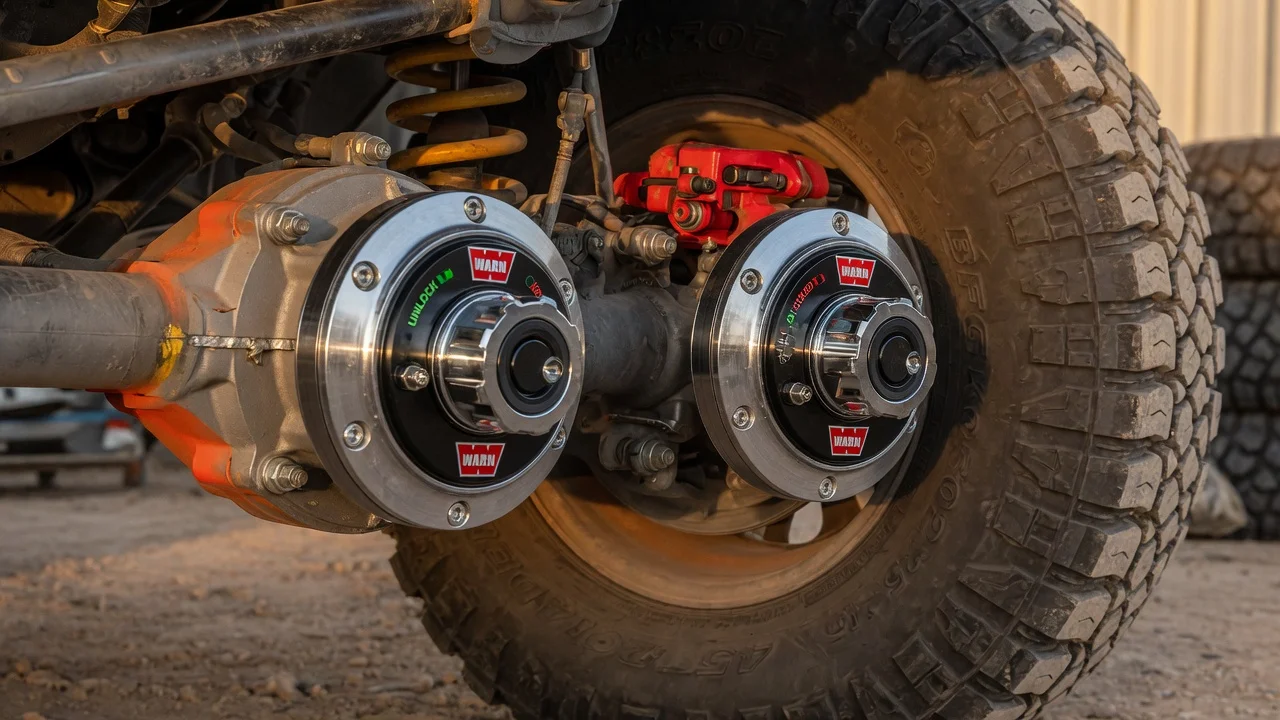
WARN Premium locking hubs let the owner of a part-time four-wheel-drive vehicle lock or free the front wheels from the axle by hand. Choosing the right fit is mainly a mechanical job, but the upgrade also has an insurance side that is easy to overlook: what happens if the hubs are damaged in a crash, stolen from the wheel face or fail after installation. This guide explains how the fitment connects to your auto policy, which protection is required and which is optional, and what to confirm with your insurer.
The coverage question
Fitment for manual locking hubs depends on the vehicle's make, model, year and drivetrain, along with the front axle, spindle and spline design. The manufacturer's application data or a qualified installer should confirm that a specific WARN Premium hub set matches your truck or SUV before you buy. A hub that does not match may not seat or engage correctly, and that kind of problem is a parts and installation issue rather than an insured loss. Once the correct hubs are installed, they become part of the vehicle, and the next question is how your policy treats them: as ordinary vehicle parts, as aftermarket equipment with its own limit, or as custom equipment that needs to be declared.
It helps to separate what the law requires from what you choose to buy. Most states require liability coverage, which pays for injuries and property damage you cause to other people. Liability does not pay to repair or replace parts on your own vehicle. Collision coverage and comprehensive coverage protect your vehicle, and state law generally treats them as optional, although a lender or leasing company usually requires them in the finance agreement. Whether a damaged or stolen hub set is paid for therefore depends on carrying these optional coverages and on how your insurer handles aftermarket parts.
Policy terms that matter
Start with the insured event. Collision coverage typically responds when the vehicle strikes another vehicle or an object, such as a front-corner impact or a hard hit against a curb or rock that damages the wheel and hub. Comprehensive coverage typically responds to non-collision losses such as theft, vandalism, fire, flood or falling objects. Because locking hubs are mounted on the outside of the wheel, theft or tampering is a realistic scenario, and comprehensive is usually the coverage that would apply. The exact wording of your policy decides whether a particular incident qualifies.
Next, look at the deductible and the policy limits. The deductible is the amount you pay on each claim before the insurer pays, and collision and comprehensive often carry separate deductibles. If only the hubs are damaged or stolen, the replacement cost may be close to or below your deductible, which can make a claim pointless. In a larger accident the hubs are just one part of the total repair. For physical damage, payment is usually based on actual cash value, and many policies cap aftermarket or custom equipment unless you declare it or add an endorsement, so an undeclared upgrade may not be fully reimbursed.
Finally, read the exclusions. Policies commonly exclude wear and tear, mechanical breakdown and failure caused by faulty parts or improper installation. A hub that slips or fails because it was the wrong fit or was installed incorrectly is normally a warranty or installer matter, not an insurance claim. Some policies also limit coverage for racing, competition or certain off-road activities. A mechanical breakdown policy or extended service contract is a separate product, and it may exclude aftermarket components as well.
Why answers and quotes differ
Two owners with the same hub set can get different answers. State rules set minimum liability limits and may regulate how insurers handle claims and policy changes. The vehicle itself matters, including its age, value and four-wheel-drive configuration. Driver history, garaging location and annual mileage feed into pricing, and so does usage: daily commuting, recreational trail driving and business use can be treated differently. Each insurer also applies its own underwriting guidelines to modifications. Some ask about every change, others focus on performance or appearance upgrades, and a hub swap alone may or may not affect rating. There is no universal premium effect, and only a quote from your insurer can show what applies to your situation.
Disclosure is part of this picture. If your insurer asks about modifications or your policy requires you to report them, tell it about the new hubs. Leaving out requested information can complicate a later claim, and keeping receipts and installation records makes it easier to show what was fitted and what it cost.
Compare policies or next steps
When you compare quotes, make them equivalent. Use the same liability limits, the same collision and comprehensive deductibles, and the same treatment of aftermarket equipment. A lower price may simply reflect a higher deductible, lower limits or a tighter cap on custom parts. Ask each insurer whether aftermarket parts are included automatically, up to what amount, and whether an endorsement is available to raise that amount.
Keep a quote separate from a coverage decision. A quote is an estimate based on the information you provided, and it can change after underwriting. What you are actually covered for is set by the issued policy, the declarations page and any endorsements, and a claim is decided after a loss under those terms. If the hubs matter to you, ask the insurer or your agent to confirm in writing how they are treated and which limit applies, and review the updated declarations page once any change takes effect.
Information to have ready
Before you contact your insurer or adviser, gather the vehicle identification number, the year, make, model, trim and drivetrain, the hub part number, the purchase receipt with price and date, the installation date and the installer's name, and a few photos of the hubs on the vehicle. Have your current declarations page on hand, along with any coverage requirements from your loan or lease agreement.
Useful questions to ask include: Are aftermarket parts covered under my collision and comprehensive coverage, and up to what amount? Do I need to declare the hubs or add an endorsement? Will the modification change my rating? Which deductible applies to theft of the hubs? Are off-road incidents or installation-related failures excluded? How would the insurer value the hubs in a claim, based on the receipt or on depreciated value? Clear answers to these questions let you decide whether your current policy is enough or whether an adjustment makes sense.