WARN Locking Hubs for Ford F-250: Fitment, Function and Care
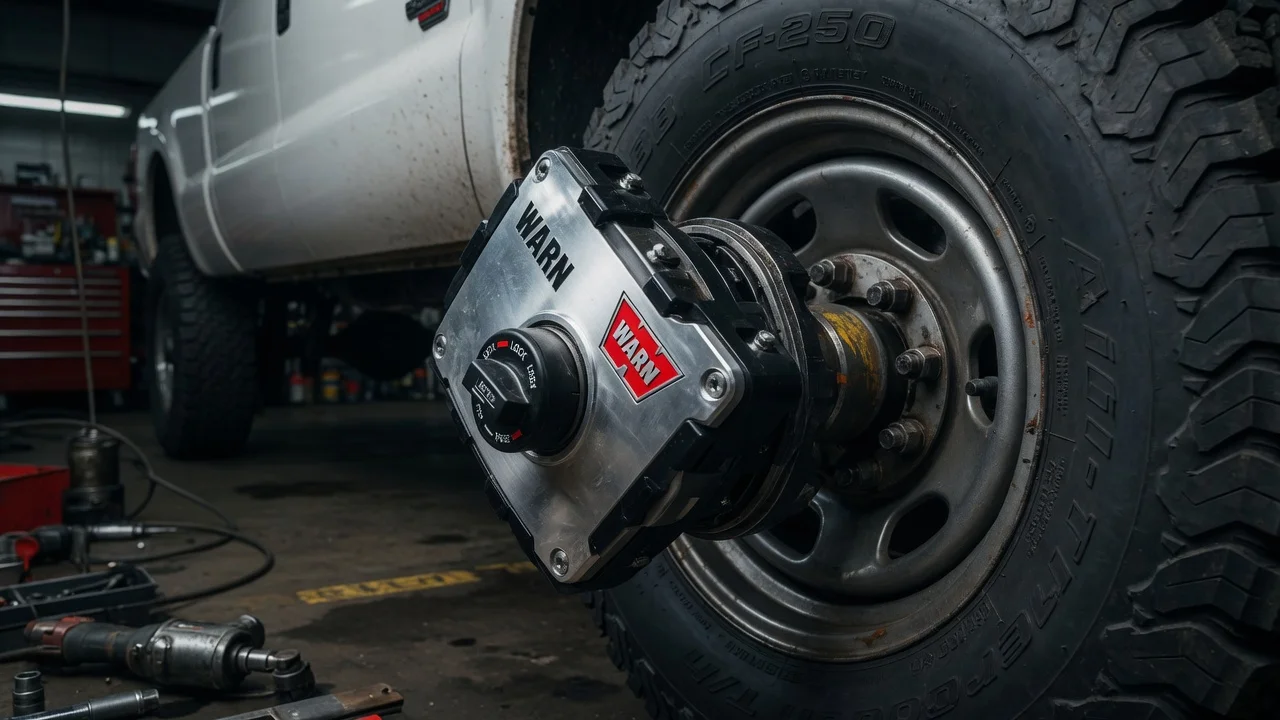
WARN locking hubs are a common upgrade or replacement for Ford F-250 owners who want reliable control over when the front wheels connect to the four-wheel-drive system. Whether they suit your truck depends on its model year, front axle and factory hub design, so the right choice starts with your exact vehicle configuration. This guide explains what these hubs do, what affects fitment, and how to approach purchase, installation and upkeep.
Do WARN Hubs Fit Your F-250?
In many cases, yes. WARN has long built manual locking hubs for Ford trucks, and four-wheel-drive F-250 pickups are among the most frequent applications. However, no single hub fits every F-250. The truck has gone through several generations, front axle designs and factory hub systems, and a hub that bolts onto one year range may not match another. Axle shaft spline count, the hub mounting pattern, and whether the truck left the factory with manual hubs, automatic hubs or a vacuum-operated system all determine which part is correct. Two-wheel-drive F-250 models have no front locking hubs at all, so the question only applies to 4x4 trucks.
The practical answer: a WARN hub can be a good choice when the catalog listing matches your specific truck, not just the nameplate. Verify model year, drivetrain and axle before ordering, and treat any listing that simply says it fits an F-250 with caution until the details are confirmed.
How Locking Hubs Work on a Ford 4x4
On a part-time four-wheel-drive truck, each front wheel rides on a hub supported by wheel bearings. The front axle shafts pass through those hubs but are not permanently attached to them. A locking hub is the coupling between the two. When the hub is unlocked, the wheel spins freely and the axle shafts, front differential and front driveshaft can stay largely at rest while you drive in two-wheel drive. That reduces drag and wear on front driveline parts. When the hub is locked, an internal clutch ring engages splines so the wheel and axle shaft turn together, allowing torque from the transfer case to reach the front tires.
Manual hubs, the type most owners mean when they shop for WARN hubs, use a dial on each front wheel that you turn by hand between lock and free. Automatic hubs do the same job without a dial, engaging when the transfer case shifts into four-wheel drive and torque is applied or, on some trucks, through vacuum. The trade-off is convenience versus certainty: a manual hub stays exactly where you set it, while an automatic system depends on its internal parts, seals and, where used, vacuum supply working correctly.
Factors That Change the Right Choice
The biggest variable is vehicle configuration. Many older F-250 trucks came with manual hubs from the factory, so a WARN hub is often a direct replacement. Trucks equipped with automatic hubs may need a conversion kit rather than a simple swap, because the parts on the spindle can differ. Super Duty trucks with vacuum-operated hubs add another layer: converting them to manual hubs involves deciding what happens to the vacuum system, and the kit instructions should explain that step. Axle model, spline count and wheel-end design must all match the product listing.
Operating conditions matter too. If you rarely use four-wheel drive and mainly want the front driveline to rest, almost any properly working hub does the job. If you plow snow, launch boats on slick ramps, or drive off-road and shift in and out of 4x4 often, durability and dependable engagement become more important, and the predictability of manual locking may be worth more to you. Larger tires, heavy front-end loads from plows or winches, and frequent water crossings all add stress to hubs and seals, so match the product to how the truck actually works.
What You Can Do Before and After Buying
Start by identifying what is on the truck now. Look at the front wheel centers: a dial marked lock and free indicates manual hubs, while a smooth cap usually means an automatic design. Confirm the model year, cab and drivetrain from your registration or door-jamb label, then use that information in the seller's fitment tool or give the VIN to a parts counter. If the listing is ambiguous, for example showing different hubs for different production dates within one year, resolve it before ordering. Review the truck's service history as well; if wheel bearings or spindle parts were replaced, note what was installed.
Before fitting new hubs, do a basic inspection of the front wheel ends. Excess play when you rock the tire top to bottom, grinding noise, or grease leaking past seals point to bearing or seal problems that new hubs will not fix. During installation, follow the hub instructions and the manufacturer specifications for bearing adjustment and fastener torque, use the correct grease, and make sure snap rings and spacers are fully seated. A hub installed with the wrong bearing preload or a missing retaining part can fail quickly.
In use, always set both hubs to the same position. Lock both before relying on four-wheel drive, and return them to free when you no longer need it. Part-time 4x4 systems are generally not meant for use on dry pavement, so check your owner's manual for the exact guidance. Some manuals also recommend engaging the front driveline periodically to keep parts lubricated; follow the maintenance schedule for your truck rather than a generic interval. If a hub will not lock, clicks under load or has a dial that is hard to turn, stop using four-wheel drive until it is checked.
Limits of General Advice and When to Get Help
This overview cannot confirm fitment for a particular truck. Ford changed axle and hub designs across generations and sometimes within a model year, and only a catalog match against your exact configuration, ideally checked by VIN, settles which WARN hub is correct. Torque values, bearing adjustment procedures and any vacuum-system changes also vary, so rely on factory service information and the instructions supplied with the product rather than numbers taken from forums or another truck.
Get professional help if you find bearing play, damaged spindle threads, worn axle splines, or signs that the axle shafts or front differential were harmed by a failing hub. A shop with four-wheel-drive experience can inspect the wheel ends, confirm parts compatibility and perform the conversion if your truck needs more than a bolt-on replacement. The sensible next step is straightforward: identify your current hub type, gather your truck's configuration details, and match them to a specific WARN part before buying.