VW VR6 Timing Chain: Wear Signs, Symptoms and What Replacement Involves
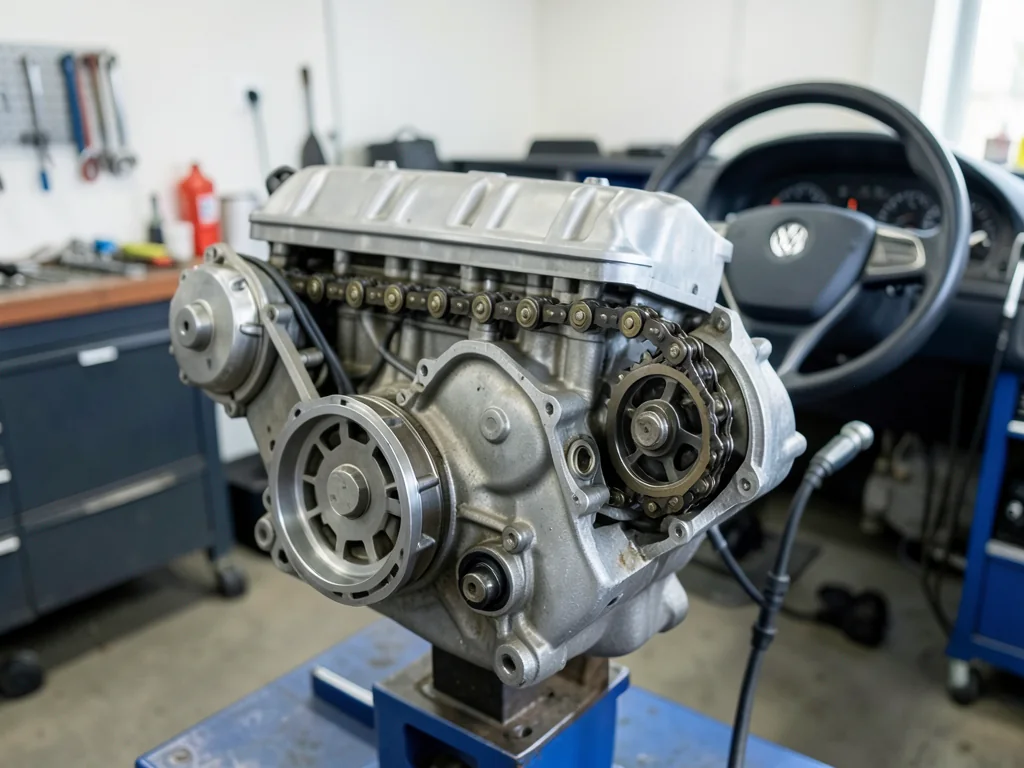
A rattling noise from a VW VR6 engine often sets off alarm bells, especially when the sound appears at startup or idle. The timing chain is a critical component that keeps the crankshaft and camshafts rotating in exact harmony. When the chain, its guides, or tensioners wear, engine timing can drift and performance can suffer. Recognizing the early signs of vr6 timing chain trouble can prevent more serious mechanical damage and help you plan for the significant repair that replacement involves.
How the VR6 Timing Chain System Works
The timing chain on a VR6 engine synchronizes the crankshaft and camshaft rotation, ensuring that intake and exhaust valves open and close at the correct moments. This synchronization depends on a whole system of components working together: the chain itself, plastic guides that route it, hydraulic or mechanical tensioners that keep it taut, and sprockets on the shafts. Over time, any of these parts can wear, allowing slack that disturbs timing accuracy.
VR6 engines were built in many generations and with different valve configurations, so chain layouts and component designs vary. On many versions, the timing drive sits at the transmission end rather than the front of the engine, which significantly increases labor for access. Before researching parts or procedures, you should confirm your exact engine code from the vehicle documentation or service data. The chain is not a routine replacement item like a timing belt, but the system still wears and eventually needs attention.
Why VR6 Timing Chains, Guides and Tensioners Wear
Chain stretch, guide wear, and tensioner failure are the primary aging mechanisms. As the chain's pins and links wear microscopically, its effective length grows, making it looser and encouraging the tensioner to extend further or the guides to wear against the chain. Plastic guides can become brittle with heat and age, cracking or breaking under stress. Tensioners rely on oil pressure and spring force, and over time their sealing surfaces or ratchet mechanisms can fail to hold proper tension.
Oil condition plays a major role in how long these components last. Clean oil with robust lubrication and detergency helps the chain and tensioner operate smoothly, while neglected oil changes can accelerate wear by allowing abrasive particles to circulate. Low oil level can also starve the tensioner of pressure, leaving the chain to slap. Age, mileage, and operating history contribute, but there is no fixed mileage at which all chains fail. Treat wear as a system issue: guides and tensioners are typically assessed together with the chain.
Common Symptoms of a Worn VR6 Timing Chain
The most common warning sign is a loud rattle or slapping noise, especially at cold start or idle. When the engine has been off, oil drains away from the tensioner, and until oil pressure builds, a worn chain can clatter against guides or the timing cover. The noise may fade after a few seconds as the tensioner pumps up, but if the chain is severely stretched or a guide is broken, the sound can persist even when warm.
Drivability problems can accompany timing chain wear. If the chain has jumped a tooth or the correlation between camshaft and crankshaft is off, the engine may run rough, hesitate, or feel down on power. A check engine light may illuminate with codes pointing to camshaft-crankshaft correlation or timing over-advanced or retarded. However, these codes merely indicate a discrepancy; they do not prove the chain is stretched. Similar symptoms can come from faulty camshaft or crankshaft sensors, variable valve timing solenoids, or accessory drive components.
How Timing Chain Wear Is Diagnosed Safely
As an owner, you can safely note when the noise occurs, how long it lasts, and whether it changes with temperature or engine speed. Write down any warning lights and have stored codes read with a scan tool. This information helps a technician narrow the possibilities, but it is not a diagnosis. A rattle on startup could also come from a failing accessory belt tensioner or a poor-quality oil filter bleeding down, so careful observation is important.
Professional diagnosis typically includes reviewing live engine data for camshaft and crankshaft correlation values, listening with a stethoscope to isolate the noise, and inspecting accessible parts for wear. Some shops may remove the valve cover or an inspection plug to directly check chain slack, but extensive teardown is not usually warranted before repair is authorized. Remember that a code or a noise is evidence to investigate, not proof of chain stretch. Ask for professional testing before committing to a major repair, and seek a second opinion if the diagnosis rests only on noise.
Risks of Ignoring a Failing VR6 Timing Chain
Ignoring a failing timing chain can lead to serious consequences. If the chain becomes so loose it jumps a tooth on a sprocket, valve timing shifts abruptly. Depending on the engine design, valves may strike pistons, potentially bending valves and damaging pistons. Even without catastrophic failure, poor timing erodes performance and fuel economy. If you hear a pronounced timing rattle or see a correlation fault, limit driving and have the car inspected promptly before the problem worsens.
Do not repeatedly clear diagnostic trouble codes to hide warning lights. This only postpones the inevitable and may turn a repairable chain issue into an engine rebuild. While no one can predict exactly when a specific chain will fail, the risks are high enough that early attention is the smart approach. A vehicle that is still running smoothly with only a slight startup rattle may be far less expensive to repair than one that has been driven until the engine runs badly.
What VR6 Timing Chain Replacement Involves
Replacing the VR6 timing chain is a major job because of significant disassembly. On versions with the timing drive at the transmission end, the transmission or engine often must be removed to gain access. Even on front-mounted timing drives, the process requires removing accessory components, covers, and often the oil pan. Labor is therefore a large part of the total cost, and the job can take many hours. Always ask for a detailed, itemized estimate before authorizing work.
Shops commonly replace the chain, guides, tensioners, and related wear parts as a set. This avoids repeat labor if a tensioner fails soon after the chain alone is replaced. The job requires specialty timing tools to hold the camshafts and crankshaft in exact alignment while the new chain is fitted. One wrong tooth can cause poor running or engine damage. For this reason, the work is best left to experienced professionals rather than treated as a typical DIY task. Ask your shop about related items they recommend replacing while the engine is apart, such as seals or gaskets.
Protecting the Timing System After Repair
After a timing chain repair, diligent oil maintenance is the best protection. Follow the oil change schedule and specification listed in your owner's manual or official service information for your exact engine. Using the correct oil viscosity and quality helps the new chain and tensioner operate reliably. Keep records of the timing work, including which components were replaced and the date, to support future diagnosis and add value at resale.
Pay attention to any new noises or warning lights after repair and return to the shop quickly if something seems wrong. A reputable shop will stand behind their work and investigate. If you are buying a used VR6, ask about timing chain service history and consider a pre-purchase inspection by a specialist who can listen for startup rattle and check for correlation codes. That inspection can reveal whether the timing system needs attention before you commit to the purchase.