VW Taos Brake Pads: How to Find the Right Fit
The short answer
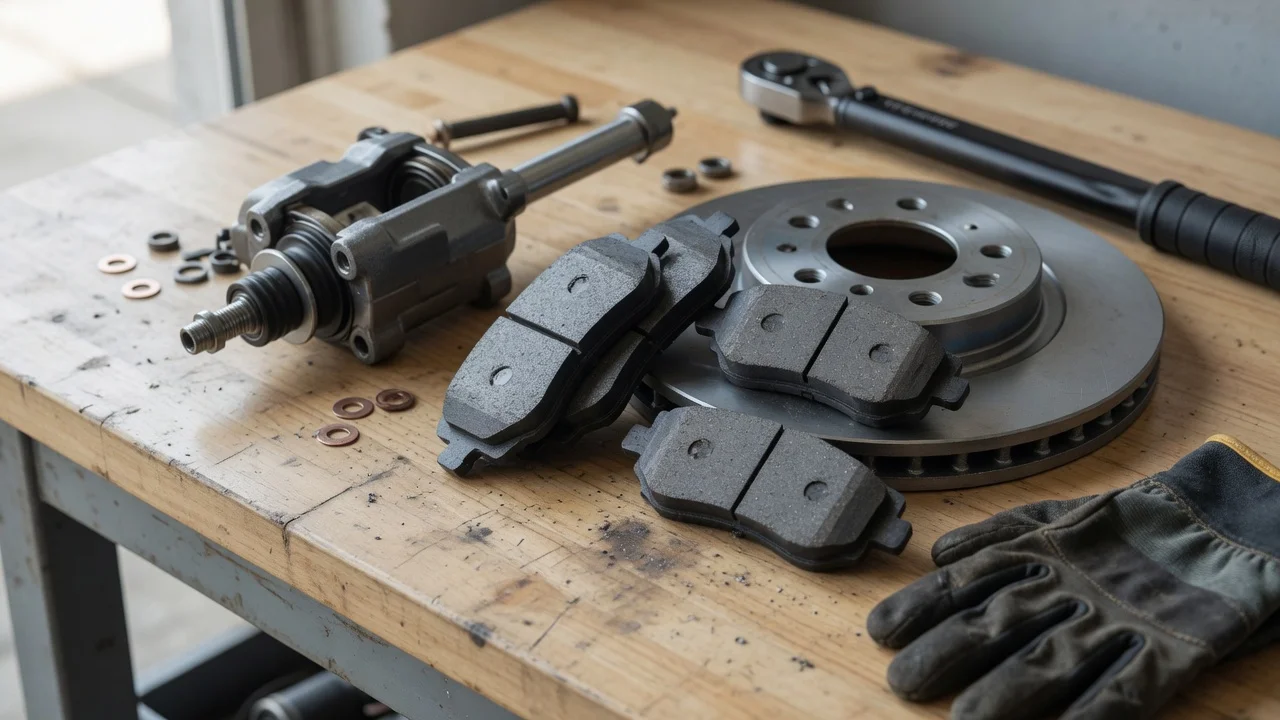
No single brake pad set fits every Volkswagen Taos. The correct pads depend on the model year, the market the vehicle was built for, the drivetrain (front-wheel drive or 4Motion all-wheel drive) and the brake package installed at the factory. The most reliable way to get the right pads is to look them up by your vehicle identification number (VIN) or by the factory brake option code rather than by model name alone. Front and rear pads are different parts, and you should confirm what type of rear brakes your Taos uses before ordering rear pads.
Why fitment varies between Taos models
Manufacturers often fit different brake hardware to the same model depending on drivetrain, engine output, trim and production period. A mid-cycle update can also change parts. Two Taos SUVs that look the same can therefore need different pads, especially if one is front-wheel drive and the other is all-wheel drive, or if they come from different model years or markets.
The rear axle needs particular attention. Depending on configuration, a vehicle may have rear disc brakes, which use pads, or rear drum brakes, which use shoes instead of pads. Check your own vehicle before buying a rear pad set. The parts catalog entry for your VIN, the service records or a visual check behind the rear wheel will tell you which type you have.
How to confirm the correct pads
Use your VIN. A dealer parts counter or a parts retailer's VIN lookup can match pads to the exact build of your vehicle. Check the brake option code. Volkswagen Group vehicles typically carry production option (PR) codes, often listed on a vehicle data sticker or in the service documentation. These codes identify the specific front and rear brake hardware fitted. Specify front or rear axle. Front and rear pads are sold separately and are not interchangeable. Note the wear sensor. Some pads are designed to work with an electronic wear indicator. Confirm whether your vehicle uses one and whether the replacement set includes it or needs it to be bought separately. Compare with the old pads. Before installing new pads, hold them against the removed pads to check shape, size and backing plate features.
Choosing a pad type
Once fitment is confirmed, the main choice is the friction material, which is the compound that presses against the brake rotor. Each type has trade-offs.
Pad type | Typical strengths | Typical trade-offs; Ceramic | Low dust, quiet operation, consistent everyday feel | Often higher cost; may not suit sustained heavy braking; Low-metallic or semi-metallic | Strong bite and good heat tolerance | More brake dust and noise; can wear rotors faster; OE-equivalent | Designed to match the original braking feel and behavior | Performance depends on the supplier and the specific product
For a compact SUV used mainly for commuting and family driving, many owners choose pads that match original-equipment behavior or a ceramic compound for low dust and noise. If you regularly tow, carry heavy loads or drive in hilly terrain, put heat tolerance ahead of low dust. Check that any product you consider is listed for your exact vehicle, not only for the Taos in general.
Things to check while replacing pads
Rotor condition: Inspect the rotors for minimum thickness, scoring and runout. Worn rotors can shorten pad life and reduce braking quality. Use the minimum thickness value stamped on the rotor or given in the service information. Electronic parking brake: If your Taos has an electronic parking brake acting on the rear calipers, the rear calipers usually need to be put into a service mode with a scan tool or the vehicle's own procedure before the pistons are retracted. Forcing them back can damage the mechanism. Hardware and lubrication: Replace clips or shims if they are worn, and lubricate only the contact points specified in the service procedure. Bedding in: Follow the pad manufacturer's break-in procedure so the pads transfer an even layer of material onto the rotors. Warning lights: A brake pad wear warning may need to be cleared after replacement, and a damaged wear sensor will keep the warning on.
What this guide cannot confirm
This article does not list specific part numbers, prices, pad thickness specifications, wear limits or replacement intervals for the Taos, because those details vary by model year, market and brake package and were not verified here. It also does not confirm which Taos configurations use rear discs versus rear drums. For those details, use a VIN-based parts lookup, the owner's manual or official Volkswagen service information for your vehicle.
Next step
Have your VIN ready and confirm the front and rear brake configuration before comparing pad brands. With fitment settled, choose a friction material that suits how you drive, and plan to inspect the rotors and any wear sensors in the same job. If you are unsure about rear caliper service on a vehicle with an electronic parking brake, have a qualified technician do the work.