VW Jetta Brake Vacuum Pump: Finding the Correct Part
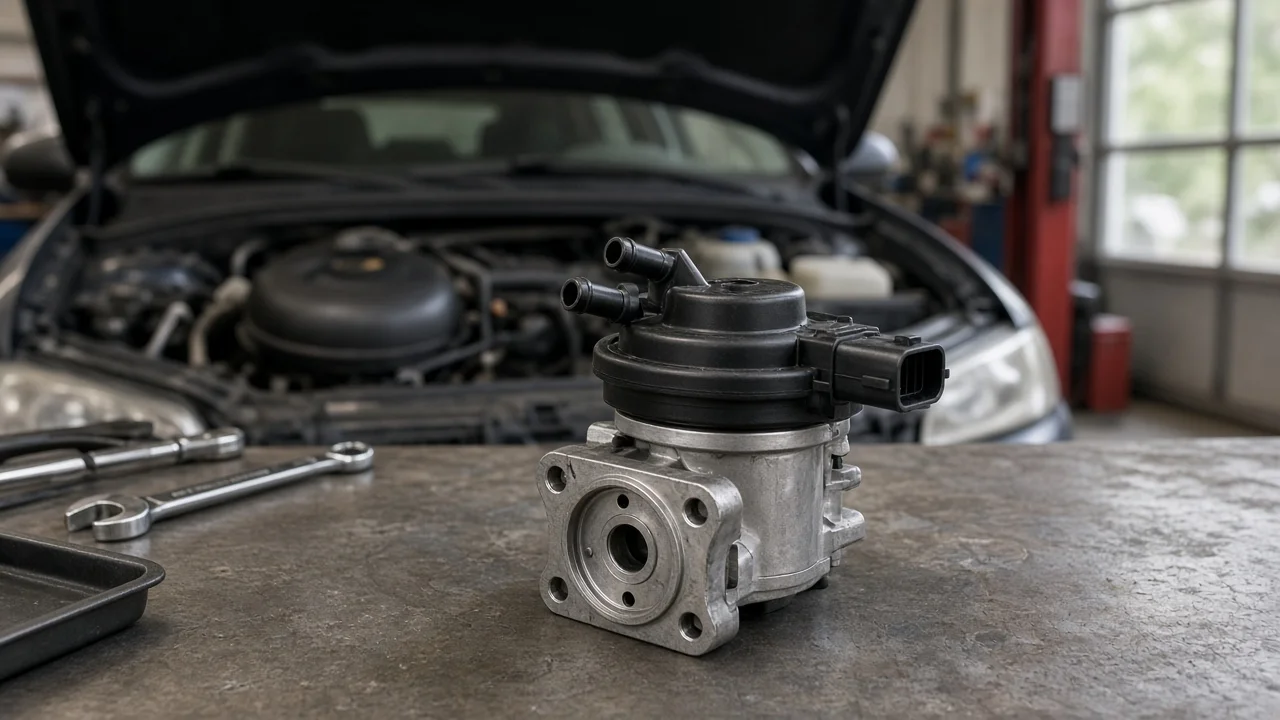
Finding the right brake vacuum pump for a VW Jetta depends less on the model name than on the engine under the hood. VW has built the Jetta across several generations with gasoline and diesel engines that create braking vacuum in different ways, so two cars from the same year can need completely different parts. This guide explains how the pump supports the brakes, what determines vehicle fitment, and how to confirm the correct replacement before ordering.
The short answer: match the engine code
The engine code is the first thing that determines which vacuum pump fits a Jetta. Model year, generation and sometimes production date come after that. Many turbocharged gasoline engines and the TDI diesels use a mechanical pump driven by the engine. Some versions rely mainly on intake manifold vacuum, and others add an electric auxiliary pump. A pump that fits one Jetta engine will not necessarily bolt onto another, because the mounting pattern, drive coupling and hose outlet can all differ.
The most reliable way to identify the part is to use three sources together: a VIN-based catalog lookup, the engine code, and the number stamped or printed on the pump currently installed. If all three agree, you have the right part. If they disagree, treat the hardware actually on the car as the deciding evidence. Ask a parts specialist to check for supersessions or mid-year changes before you buy.
How the vacuum pump supports braking
Your foot does not apply the brakes on its own. Between the pedal and the master cylinder sits the brake booster, a large round chamber that uses the difference between vacuum and atmospheric pressure to multiply the force from your foot. When you press the pedal, the booster helps push the master cylinder. The master cylinder sends brake fluid to the calipers, which clamp the brake pads against the brake rotors.
Older naturally aspirated engines produce plenty of vacuum in the intake manifold, so the booster can draw from there. Turbocharged and direct-injection engines often run with little or no manifold vacuum, and diesels produce almost none. On those engines, VW fits a dedicated pump to keep the booster supplied. A mechanical pump is driven directly by the engine, usually from a camshaft, and is typically lubricated by engine oil. An electric pump runs on demand under electronic control. A one-way check valve in the hose keeps stored vacuum in the booster when the engine is off or under boost.
When the pump weakens, the booster gets less vacuum and the pedal becomes noticeably harder to push. The hydraulic system still stops the car, but it takes much more pedal effort and a longer distance. That makes a failing pump a safety issue, not just a comfort problem.
What changes which part fits
Several factors decide fitment, and the model name alone settles none of them. Generation matters because each Jetta platform changed engine families and mounting layouts. Engine type matters most: a turbocharged gasoline engine, a non-turbo gasoline engine and a TDI diesel can use entirely different vacuum arrangements. Even within one engine family, revisions to the cylinder head, camshaft drive or emissions equipment can change the pump design. As a result, production date can matter inside a single model year.
Some older diesel versions use a tandem unit that combines the vacuum pump with the fuel supply pump. That is a different part from a standalone vacuum pump. Market and equipment can also matter. Cars built for different regions, or with options that affect the braking or start-stop systems, may have an electric auxiliary pump in addition to a mechanical one, or instead of it. Manufacturers also sometimes supersede a part number with a revised design. The number on your old pump may now point to a newer replacement that looks slightly different but is approved for your car.
Checking the old pump and choosing a replacement
Start by gathering the identifiers: the 17-character VIN, the engine code and the model year. On VW vehicles the engine code usually appears on the vehicle data label in the trunk near the spare wheel, and it is often repeated in the maintenance booklet. Next, locate the existing pump and read any part number on its housing. Dirt or oil may partly hide the number, so clean the housing gently before reading it.
Before ordering, confirm that the symptoms actually point to the pump. A hard pedal can also come from a cracked vacuum hose, a failed check valve or a leaking brake booster, and those parts cost far less. Oil seeping from the pump body or its seal is a common reason to replace a mechanical pump, even when braking assist still feels normal. Ticking or whining from the pump area may indicate internal wear. Glazed or worn brake pads can make the brakes feel weak, but that is a friction material problem, not a vacuum problem. Check pad thickness against the wear limits listed for your car before blaming the pump.
When comparing replacements, check that the mounting points, drive coupling, hose connection and any electrical plug match the old unit. The pump should come with the correct new gasket or O-ring, or be ordered together with it. Reusing old seals is a common cause of oil leaks after installation. A mechanical pump engages the engine's internal drive, so installation must follow the service procedure for alignment and fastener torque. If you are not equipped for that, a sensible approach is to buy the correct part yourself and have a shop fit it.
Limitations and when to get professional help
Fitment varies across Jetta generations, engines and markets, so this guide cannot replace a lookup against your exact VIN or the service information for your car. Torque values, alignment marks, vacuum specifications and test procedures are specific to each vehicle. Use the official repair information rather than general figures. If the catalog data and the part on your engine disagree, have a dealer or specialist confirm the correct part before you buy.
Stop driving and arrange a professional inspection if the brake pedal suddenly becomes very hard, the brake warning light comes on, or the car takes noticeably longer to stop. Have the car towed if necessary. Loss of brake assist, a brake fluid leak or oil contaminating the brakes are not faults to monitor over time. A technician can measure the vacuum reaching the booster, test the check valve and booster, and confirm whether the pump is really at fault before any parts are replaced.