VW ID.4, ID.3 and ID. Buzz Regenerative Braking: D vs B Mode, Coasting and Settings
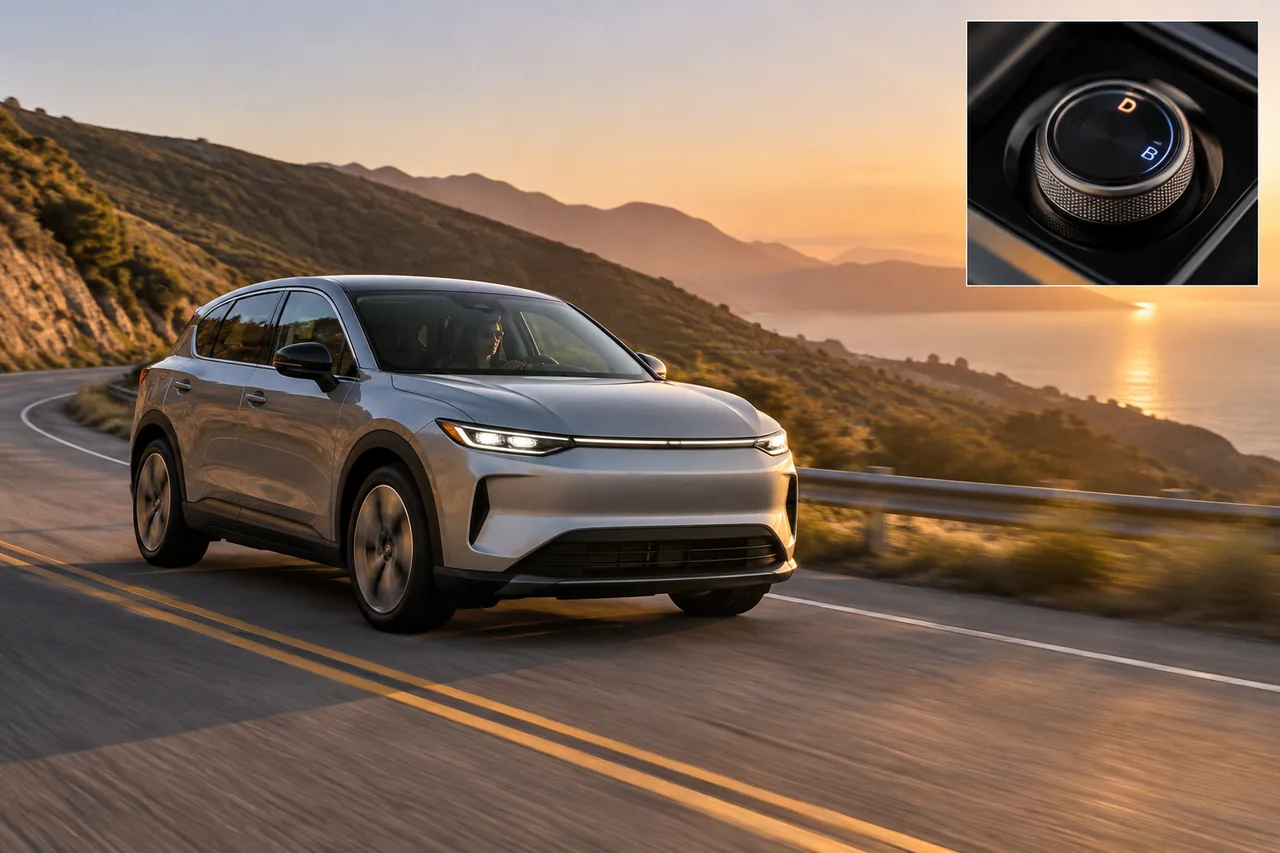
Understanding how your VW ID.4 slows down and reclaims energy can make driving smoother and more efficient. Unlike many electric cars that default to strong lift-off braking, Volkswagen uses a coasting philosophy in D mode and a selectable B mode for stronger recuperation. The system blends motor regeneration with conventional friction brakes at the pedal, so the transition is normally seamless. Knowing which setting fits your route, battery state, and driving style helps you use regen predictably without surprises.
How Volkswagen Approaches Regenerative Braking and Coasting
When you lift off the accelerator in an ID.4, the electric motor can act as a generator. The spinning wheels drive the motor rotor, creating electrical energy that is sent back to the high-voltage battery. This is regenerative braking, or recuperation. The amount of drag depends on the selected mode and the car’s software, but it slows the vehicle without using the hydraulic brakes. That recovered energy can then be used later for acceleration, reducing overall consumption and wear on the friction brakes.
The brake pedal itself uses brake blending. Pressing the pedal first increases regen, so the motor provides most of the stopping force in normal driving. If you need to stop harder, the conventional disc brakes activate progressively to assist. Volkswagen tunes this transition to feel natural, so the driver does not feel a step between systems. However, regen can only capture part of the kinetic energy, and no mode recovers all of it. Smooth anticipation—coasting early and braking gently—often saves more energy than always driving in B mode. In emergency stops, the friction brakes always take over, since regen alone cannot provide maximum deceleration.
D Mode vs B Mode: What Changes When You Lift Off the Accelerator
D mode is the default drive selector position and is designed for coasting. When you release the accelerator, the ID.4 rolls with almost no motor drag, much like a conventional automatic in neutral. This keeps momentum on flat roads and gentle grades, which is efficient at steady highway speeds. It also reduces the chance of unintentional deceleration that can unsettle passengers. D mode asks the driver to use the brake pedal for nearly all slowing, but the pedal still starts with regen before adding friction brakes, so energy is recovered smoothly.
B mode changes the lift-off behavior by applying stronger regeneration. As soon as you ease off the accelerator, the car slows more noticeably, making it useful in stop-and-go traffic or on long downhills. It is not full one-pedal driving: the ID.4 will not always bring itself to a complete stop without the brake pedal, especially on flat ground. Drivers should expect to press the brake pedal to hold at traffic lights or stop fully. For steady highway cruising, D mode usually feels more relaxed, while B can reduce pedal work in the city. Because the stronger deceleration can surprise you, try both modes in a quiet area before relying on them in traffic.
Finding and Adjusting Regen Settings on the ID.4
To switch between D and B on the ID.4, use the drive selector on the right side of the steering column or center console, depending on the model year. Typically, turning or toggling the selector between D and B changes the setting, and the instrument cluster shows the active mode. Since variations exist across markets and software versions, confirm the exact method in your owner’s manual. Some versions may also have steering-wheel paddles for on-the-fly recuperation adjustment, but this is not universal.
The settings available can depend on trim, model year, and infotainment software. Later vehicles may include automatic or predictive recuperation that uses navigation and traffic data to adjust regen strength. Software updates can add or rearrange these options, so older online guides may not match your car. After a restart, the ID.4 may default to D mode instead of remembering B, so check your display each time. Only adjust any menu setting while the vehicle is stationary and you are safely parked—never while driving.
Living With Regenerative Braking in a VW ID.4 Day to Day
Like most EVs, the ID.4 limits regeneration when the high-voltage battery is nearly full or very cold. At a high state of charge, there is less headroom to store recovered energy, so lift-off deceleration can feel weaker. In freezing temperatures, battery chemistry and thermal management reduce recuperation until the pack warms up. The car may show a message about limited recuperation or a grayed-out regen indicator. This is normal and does not mean a fault; expect stronger regen after some driving or when the battery drops below a high charge level.
A stronger lift-off deceleration in B mode can surprise following drivers because the brake lights may or may not illuminate automatically during regeneration. Volkswagen programs the brake lights based on deceleration thresholds, but the exact behavior can vary. Check your owner’s manual for how your model year operates, and consider tapping the brake pedal gently if you want to signal early. Light use of the mechanical brakes can allow surface rust to build on the rotors, so routine professional inspections matter. Regen fits smooth driving habits that avoid hard acceleration and late braking, which helps overall efficiency. If the pedal feel changes abruptly between regen and friction braking, that can be normal, but a short professional inspection is wise if it becomes harsh or inconsistent.
Regenerative Braking on the VW ID.3: Shared Principles and What to Verify
The VW ID.3 shares the same MEB platform and the same basic D and B mode philosophy as the ID.4. In D, the smaller hatchback coasts freely for efficient highway progress; in B, it provides stronger lift-off recuperation for stop-and-go city traffic. The drive selector and menu layouts may differ from the ID.4, especially across markets and model years, so do not assume the controls are identical. Check your own car’s display and manual to see exactly how D and B are selected and whether any extra recuperation settings exist.
For urban driving, B mode can reduce how often you move between the accelerator and brake pedal, which many ID.3 owners find convenient. However, B does not mean the car will hold itself at a stop automatically—the brake pedal or the auto hold function is still required. In long traffic jams, good anticipation and gentle use of B mode can make progress smoother. Because software updates can adjust regen behavior, consult the infotainment menus and the owner’s manual as the reliable source for your car’s exact functions.
ID. Buzz Regenerative Braking in a Larger, Heavier Vehicle
The ID. Buzz carries over the D and B concept from the car-based ID models, but its larger mass changes how deceleration feels. In B mode, the stronger lift-off recuperation slows the van noticeably, but because of the added weight, a steeper downhill can still require the brake pedal. The motor’s regen torque is limited, and a heavily loaded van carries much more kinetic energy. Therefore, B mode helps manage long descents but should not be expected to hold speed on steep grades without friction braking.
Passengers, cargo, and towing change the vehicle’s behavior during braking. A full load increases stopping distances and can make regen feel less effective because the motor must handle more momentum. The friction brakes remain the primary safety system for hard stops. Depending on wheelbase, model year, and market, the ID. Buzz may have different regen settings or drive selector options than the ID.4, so confirm your own vehicle’s menus. Avoid claiming exact range gains from B mode, as actual results vary widely with driving conditions.
VW Hybrids, Warning Signs and When to Get Professional Brake Testing
Volkswagen plug-in hybrids and eHybrid models also use brake blending and regenerative braking, but their controls and modes differ from the pure-electric ID range. A hybrid may not have a separate B mode; instead, the transmission’s drive selector often includes a B position or the car uses automatic recuperation based on navigation and traffic. The battery is smaller, so regen limits differ, and the combustion engine can provide engine braking. Check your specific model’s owner’s manual to understand how recuperation is adjusted and how the brake pedal behaves.
If you notice inconsistent pedal feel, unusual noises, pulling to one side, brake or drivetrain warning lights, or repeated recuperation-limited messages, note when and under what conditions they happen. A change in regen feel can be caused by a cold battery, high state of charge, or a software update—not necessarily a failing component. However, only a professional with the right diagnostic tools can separate a normal change from a real fault in the brake system or high-voltage components. Never attempt to service those systems yourself. Write down the conditions, speed, temperature, and battery level for the technician.