VW Caddy Camper Van Conversion: A Practical Guide
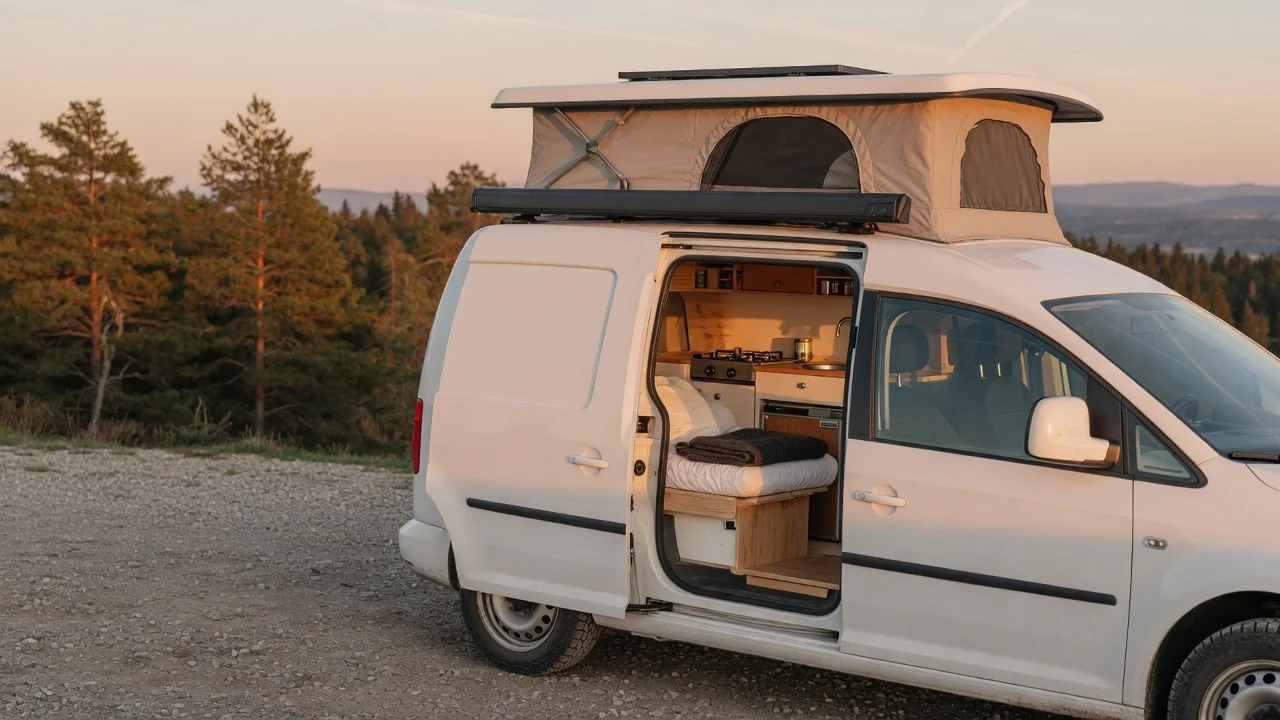
What a VW Caddy Camper Van Conversion Involves
A VW Caddy camper van conversion is the process of adapting a standard Volkswagen Caddy van or Caddy Life MPV into a compact vehicle that can be used for sleeping, cooking, and basic living on short trips. The essential answer is that a conversion is a self-contained micro-camper project rather than a factory-built motorhome. It typically concentrates on fitting a folding or sliding bed system, basic storage, insulation, ventilation, and sometimes a small cooking or washing setup within the Caddy's compact load area or rear passenger space.
Which Caddy Models Suit a Conversion
The most commonly converted variants are the third-generation Caddy (Type 2K, built from 2004 to 2015) and the fourth-generation Caddy (Type SA, built from 2015 to 2020), particularly in short-wheelbase or standard-wheelbase panel van form. The Caddy Maxi versions, with a longer rear load length, offer more usable sleeping space and are often preferred for taller occupants. The standard Caddy has a rear load floor length that is limited, so bed platforms are usually designed to extend over folded front seats or to run along one side only. Buyers should confirm the exact rear length of the specific model year and body variant before choosing a conversion kit or planning a DIY layout.
Bed and Sleeping Systems
The bed is the core of any Caddy conversion. Three approaches are common. A fixed low platform over the rear floor maximizes under-bed storage but severely limits headroom and works best for shorter occupants. A rock-and-roll style folding bench bed can be fitted in longer variants, although the Caddy's narrow body width means the mattress is usually single-berth width unless a wider custom frame is built. A slide-out or folding panel bed that extends over the folded front passenger seat is the most popular solution for a standard-length Caddy. This design keeps the rear area usable during the day and creates a sleeping length of roughly 180 to 200 cm, depending on the seat position and model.
Insulation, Ventilation and Flooring
A bare metal Caddy interior is noisy and prone to condensation. A conversion should include sound-deadening material on large panels, followed by closed-cell foam or recycled plastic insulation in the cavities and walls, and finally a lightweight plywood or carpeted lining. The floor is typically built up with a plywood base over the original metal floor, with vinyl or laminate on top. Ventilation is critical in such a small space: at least one opening side window or a roof vent is recommended to reduce moisture build-up overnight. Documented owner reports consistently describe condensation as a major practical issue in unventilated micro-campers.
Cooking, Power and Storage
Cooking in a Caddy is usually limited to a portable single-burner cartridge stove used outside or near an open door. Fixed gas installations are possible but add weight, cost and safety requirements. A simple 12V auxiliary battery charged by a split-charge relay or DC-DC charger can run LED lights, USB sockets and a small compressor fridge. Storage is typically built under the bed platform or in a rear drawer system. Because the Caddy has a narrow interior width, most conversions use modular soft bags or low boxes rather than full kitchen units.
Legal and Weight Considerations
The Caddy's payload is finite, and a full conversion with insulation, plywood lining, bed frame, battery and water can add a significant portion of that payload. Owners should check the vehicle's weight plate and weigh the finished conversion. In many markets, internal furniture and overnight use do not automatically reclassify a van as a motor caravan, but permanent gas, fixed seating or cooking installations may affect registration class and insurance requirements. Temporary removable camping boxes and fold-down beds usually keep the vehicle classified as a van or MPV. Regulations vary by country, so the specific registration and insurance position must be confirmed for the owner's location.
Kit, Professional or DIY Choice
There are three main routes. Pre-made conversion kits offer pre-cut panels and folding bed mechanisms designed for specific Caddy generations. Professional converters build bespoke interiors with higher-grade materials and installation quality but at a higher cost. A DIY conversion using plywood, basic electrical parts and camping equipment is the cheapest option but requires time, tools and care around the vehicle's trim fixings and wiring. All three routes can work if the sleeping length, headroom and ventilation are addressed first.
What to Check Before Starting
Measure the rear load floor length and width of your specific Caddy model and year. Identify whether the front seats fold flat or can be adjusted far forward for a bed extension. Check the empty vehicle weight and available payload against the expected conversion weight. Plan at least one opening window or roof vent to manage condensation. Confirm insurance and registration rules for camper use in your country before fitting gas or fixed seating.