VW and Skoda Regenerative Braking: ID.3, ID.4, Enyaq, Golf GTE and Start-Stop
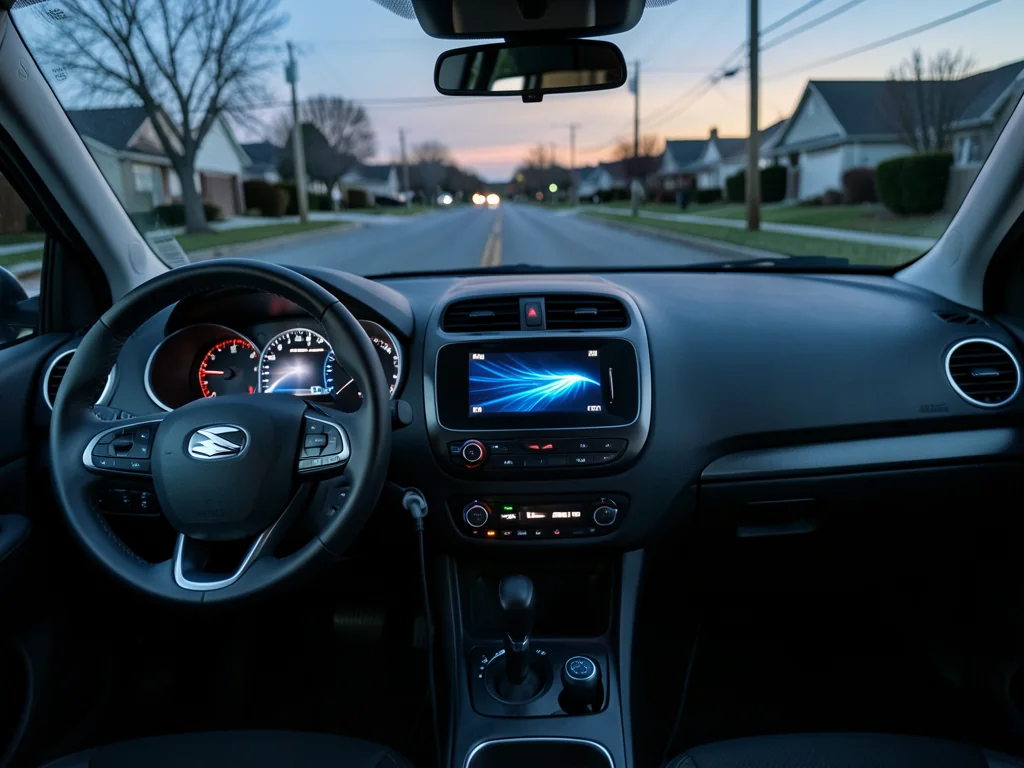
When you lift off the accelerator in a Volkswagen ID.3, ID.4, Skoda Enyaq, or Golf GTE, the electric motor reverses its role and becomes a generator, capturing kinetic energy that would otherwise be wasted as heat. This process, called regenerative braking or recuperation, sends electricity back to the high-voltage battery. Many drivers ask, does ID4 have regenerative braking, and the answer is yes—but the feel and controls differ from a conventional car. Even combustion VWs use a start/stop system with regenerative braking to charge the 12V battery and support engine-off coasting.
How Recuperation Works in Volkswagen Group EVs and Plug-In Hybrids
In an electric car, the same motor that accelerates the vehicle can also slow it down. When the driver releases the accelerator or presses the brake pedal, the control electronics switch the motor into generator mode. The spinning wheels turn the motor, which creates electrical resistance and produces current that flows into the high-voltage battery. This lift-off deceleration is often called recuperation, and it recovers a portion of the energy that would otherwise be lost as friction heat in conventional brakes.
The brake pedal itself blends regenerative and friction braking automatically. As the driver presses the pedal, the system first requests as much generator braking as possible, then adds conventional hydraulic brakes only when more stopping force is needed. The driver does not choose between the two; the vehicle's brake control unit calculates the split. In normal driving, most moderate stops are handled almost entirely by the motor, while the friction brakes remain ready for hard stops or low-speed hold. This blended braking is designed to feel natural and consistent.
VW ID.3 Regenerative Braking: D Mode, B Mode and Where to Find the Settings
In the VW ID.3, the drive selector on the right side of the steering column toggles between drive modes. Rotating the selector forward or backward switches between D and B. D mode is tuned for coasting: when the driver lifts off the accelerator, the car rolls with minimal motor drag, similar to a conventional automatic in neutral. B mode increases lift-off deceleration, creating a stronger one-pedal feel. The ID.3 does not have steering-wheel paddles for recuperation adjustment, so the main choice is between the two drive selector positions.
Recuperation-related settings may also appear in the infotainment menu under 'Vehicle' or 'Driving data,' but the exact location and labels vary with software version. Some ID.3 software updates have added or renamed options, so an early production car may not show the same menu items as a later one. In city traffic, B mode can reduce the need to move between accelerator and brake, while on the highway D mode's coasting often feels smoother and more efficient because the driver can maintain speed with small throttle inputs. The brake pedal still matters in B mode because lift-off alone does not bring the car to a full stop in most conditions.
Does the VW ID.4 Have Regenerative Braking? D, B and Everyday Use
Yes, the VW ID.4 has regenerative braking. The driver controls the main recuperation behavior with the drive selector, choosing between D and B. D mode provides gentle lift-off deceleration and allows long coasting, while B mode increases braking force when the accelerator is released. The active mode is shown in the digital instrument cluster, typically as a small D or B near the speed readout. The ID.4 does not use steering-wheel paddles for recuperation levels in most markets, so the selector remains the primary control.
B mode is especially useful on long downhill grades or in stop-and-go traffic, where frequent accelerator release would otherwise require constant brake pedal use. On open roads, D mode's coasting can feel smoother and may reduce unnecessary speed loss. Some ID.4 versions may include predictive or automatic recuperation, which uses navigation data or front sensors to increase deceleration when approaching a slower vehicle or a curve. This feature depends on market, model year, and software, so owners should check their specific vehicle. When regenerative deceleration exceeds a certain threshold, the brake lights illuminate automatically to warn following traffic.
Skoda Enyaq Regenerative Braking Modes and Controls
The Skoda Enyaq is built on the same MEB electric platform as the VW ID.3 and ID.4, so its core recuperation concept is identical. The Enyaq also uses a drive selector to switch between D and B. D mode allows more coasting with light lift-off deceleration, while B mode increases energy recovery and slows the car more strongly when the accelerator is released. On some Enyaq versions, steering-wheel paddles allow the driver to fine-tune the recuperation level in D mode, adding intermediate steps between coasting and strong deceleration.
Some Enyaq trims include an automatic or adaptive recuperation mode, which uses the front camera and radar to adjust deceleration based on traffic and road conditions. For example, the car may increase recuperation when approaching a slower vehicle or a sharp curve, then reduce it on an open road. The availability of paddles, automatic mode, and the number of adjustable levels depends on trim, model year, and software version. Owners should check the vehicle menu or owner's manual to see exactly which recuperation options their Enyaq offers.
Golf GTE Regenerative Braking in a Plug-In Hybrid
The Golf GTE is a plug-in hybrid, so it has both a gasoline engine and an electric motor. Regenerative braking works the same way as in an EV: when the driver lifts off the accelerator or presses the brake pedal, the electric motor acts as a generator and sends energy to the high-voltage battery. The gasoline engine may be off during deceleration, so the motor's drag provides the main lift-off retardation. In the GTE, selecting B on the gear selector (or an equivalent setting depending on generation) increases this lift-off deceleration and maximizes energy recovery.
Recovered energy in a plug-in hybrid is used primarily to support electric driving and reduce fuel consumption, not to add large amounts of electric range. The relatively small battery in the GTE can accept only a limited amount of rapid charge, so most recovered energy is used soon after for low-speed electric operation or to assist the engine. Drive modes such as E-Mode, Hybrid, or GTE mode change how the car balances engine and motor use, which affects when recuperation occurs and how strongly the car decelerates. Owners should check the manual for their specific Golf GTE generation, as controls and displays differ between the Mk7 and Mk8 versions.
What 'Start/Stop System with Regenerative Braking' Means on Gas VW Models
On many gasoline and diesel Volkswagen models, the spec-sheet phrase 'start/stop system with regenerative braking' does not mean the car has an electric motor driving the wheels. Instead, it refers to brake energy recovery through the alternator and the 12V electrical system. During deceleration, the alternator increases its charging output, converting some of the vehicle's kinetic energy into electrical energy that charges the 12V battery. During acceleration, the alternator reduces its load to save fuel. This recovered energy helps keep the battery charged enough to run the automatic start/stop system.
This setup differs fundamentally from an EV or plug-in hybrid, where the traction motor provides strong regenerative braking and returns energy to a high-voltage battery. Some newer VW models with mild-hybrid technology use a belt-driven starter generator and a small 48V battery, which provides a modest amount of electric boost and more efficient energy recovery. Owners should confirm whether their specific vehicle has a conventional 12V start/stop system or a mild-hybrid setup. Common owner observations with start/stop include it not activating when the battery is low, the cabin needs heating or cooling, or the engine is cold; these are normal operating conditions, not faults. These systems typically require an AGM or EFB battery designed for frequent cycling, and any battery replacement or coding should be performed by a qualified technician or dealer.
Warning Signs, Limits of What Drivers Can Judge and When to Get Professional Testing
Drivers can safely observe several signs that may indicate a problem with the regenerative braking or start/stop system. A dashboard warning light, a sudden change in lift-off deceleration feel, unusual brake pedal travel or hardness, or a persistent failure of the start/stop system to engage are all worth noting. However, reduced recuperation when the high-voltage battery is full or very cold is normal. The battery management system limits charging current to protect the cells, so the car may coast more freely until the battery warms or discharges slightly.
Brake system and high-voltage components must never be opened or repaired by owners. The brake booster, ABS unit, and high-voltage cables carry dangerous voltages or pressures and require trained technicians with appropriate equipment. If brake warnings appear, braking feels inconsistent, or error messages persist, contact a dealer or qualified EV/hybrid technician. It is also reasonable to ask a dealer if any software updates are available, because recuperation behavior can change with updates. However, owners should not assume a specific update or recall exists for their vehicle without checking the VIN through official channels.