VQ35DD Engine Sludge: Causes, Warning Signs, and Prevention
What Is the VQ35DD and Why Sludge Matters
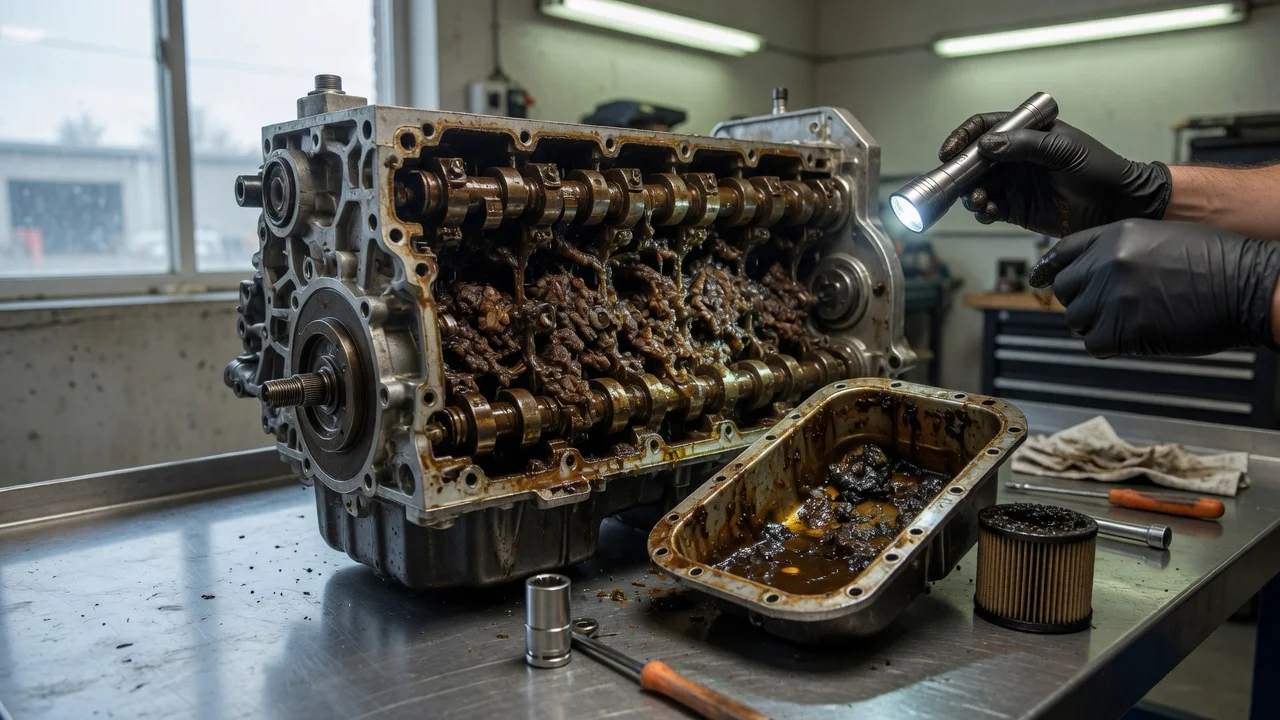
The VQ35DD is Nissan's 3.5-liter V6 with direct fuel injection. Direct injection places the fuel injector in the combustion chamber rather than in the intake port, which changes how fuel and air mix but does not by itself create sludge. Sludge is a thickened, gel-like or paste-like deposit that forms when engine oil oxidizes, breaks down, and mixes with contaminants such as moisture, unburned fuel, and combustion byproducts. Once sludge accumulates, it can restrict oil flow, reduce lubrication, and increase the risk of expensive internal engine damage. The VQ35DD is not universally sludge-prone, but its direct-injection design and typical service conditions make oil quality, change intervals, and driving patterns especially important.
How Direct Injection Affects Oil Condition
Direct-injected engines can expose engine oil to higher fuel dilution than some port-injected designs. During cold starts and short trips, small amounts of fuel can wash past the piston rings and enter the crankcase before the engine reaches full operating temperature. When trips are too short, that fuel and moisture may not evaporate fully from the oil. Over time, fuel dilution reduces oil viscosity and accelerates oxidation, which is one pathway toward sludge formation. This is a maintenance-sensitive condition rather than proof that every VQ35DD will sludge.
Common Causes of VQ35DD Oil Sludge
Extended oil change intervals that exceed the manufacturer's severe-service guidance; Frequent short trips that prevent the oil from reaching and holding full operating temperature; Low-quality or incorrect-viscosity oil that resists heat and oxidation poorly; High fuel dilution from repeated cold starts or a rich-running condition; Inadequate crankcase ventilation that allows moisture and blow-by gases to remain in the oil; Overheating or sustained high-load operation that accelerates oil breakdown
Warning Signs That May Indicate Sludge
Sludge often forms gradually, and early symptoms can be easy to miss. Observable signs include dark, gritty, or unusually thick oil on the dipstick; a persistent varnish or brown residue visible through the oil filler opening; low oil pressure warnings or intermittent oil pressure fluctuation; and new valve-train noise such as ticking or rattling, especially at start-up. In more advanced cases, the engine may run hotter, consume oil, or trigger variable valve timing fault codes when oil flow to timing components becomes restricted.
What to Check Next If You Suspect Sludge
Start with the least invasive checks. Inspect the oil on the dipstick for color, consistency, and odor, and compare the oil level against the vehicle's service history. Look through the oil filler cap opening with a flashlight for varnish, gel deposits, or hardened residue. If a low oil pressure warning is present, treat it as an instruction to stop driving until the cause is confirmed. A fault code for camshaft position, variable valve timing, or oil pressure should be investigated as possible evidence of restricted oil flow, but do not replace parts on the code alone. Since internal sludge cannot be confirmed reliably from the outside, persistent symptoms require professional inspection, typically beginning with an oil pressure test and, if warranted, removal of a valve cover or oil pan.
Prevention for VQ35DD Owners
Prevention is more effective than attempting to dissolve established sludge. Use an engine oil that meets the viscosity and specification recommended for your VQ35DD application, and follow the severe-service interval if the vehicle is used for short trips, repeated cold starts, stop-and-go driving, or towing. Allow the engine to reach normal operating temperature regularly, and avoid relying on aggressive aftermarket flushes unless a qualified technician recommends one after inspection. Keep the crankcase ventilation system in working order, address fuel-dilution or running-condition faults promptly, and retain service records. The exact interval and oil specification vary by model, model year, and market, so verify the guidance for the specific vehicle rather than applying a generic schedule.
When to Seek Professional Diagnosis
Stop use and arrange professional inspection if the oil pressure warning appears, the engine develops new knocking or heavy ticking under load, or oil contamination is severe enough to suggest restricted internal flow. Home treatments can loosen sludge and dislodge large deposits into narrow oil passages, so chemical flushes should not be used as a substitute for diagnosis. A technician can measure oil pressure, inspect accessible engine internals, and determine whether the condition is early surface varnish or advanced sludge requiring mechanical cleaning or repair. Without that inspection, the actual severity of VQ35DD sludge remains an unconfirmed estimate.