Volvo XC90 Timing Chain Replacement: Symptoms and Diagnosis
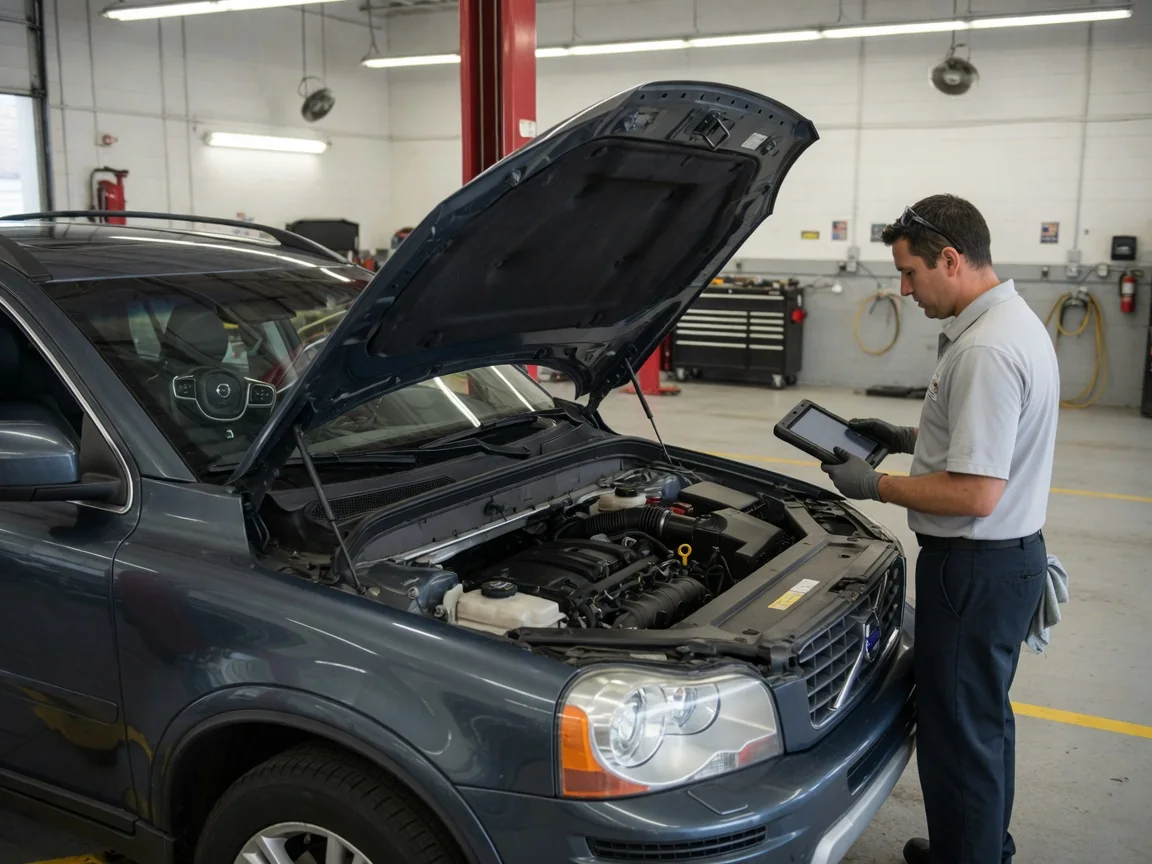
Volvo XC90 timing chain replacement is a decision that starts with engine identification, not with the crossover's nameplate. Across model years the XC90 has used more than one timing arrangement, so chain wear, tensioner condition, and camshaft timing concerns have to be confirmed on the specific engine. Symptoms such as rattles or warning lights can point toward the timing drive, yet they can also originate elsewhere. Accurate diagnosis keeps replacement estimates honest and avoids unnecessary teardown.
Confirm the Timing System on Your XC90
Establish the model year, engine designation, and VIN before discussing Volvo XC90 timing chain replacement. Those identifiers drive engine identification in service information and tell a technician which timing layout the vehicle actually uses. The XC90 badge alone does not prove a chain is fitted, nor does it define tensioner design, guide layout, or the method used to keep camshaft timing aligned with the crankshaft. Confirming the engine first keeps later conversation about parts, labor, and access grounded in the hardware that is present.
Verify the engine's timing drive through vehicle-specific service information rather than assuming every XC90 shares the same replacement path. Some engines use a chain with a hydraulic timing chain tensioner and plastic or composite timing chain guides; others may use a different drive that would make chain-focused advice irrelevant. Once the layout is confirmed, keep replacement guidance specific to that engine's service requirements, including how camshaft timing and crankshaft correlation are checked. Mixing procedures from a similar Volvo engine can produce the wrong parts list and the wrong inspection plan.
Symptoms That Warrant a Timing Inspection
Unusual engine rattling, rough running, difficult starting, or an illuminated engine warning light can justify a timing inspection on an XC90, especially if the noise seems related to the front of the engine at cold start. Those complaints do not establish chain wear. A worn accessory, a variable valve timing concern, low engine oil pressure, or an ignition or fuel issue can produce similar behavior. Treat the symptoms as a reason to investigate, not as proof that Volvo XC90 timing chain replacement is required.
Record whether a noise occurs at startup and then quiets, or continues during normal operation. Do not repeatedly start the engine just to reproduce a rattle; extra cold starts add wear and can worsen a lubrication-related condition. Persistent mechanical noise, severe rough running, or an oil pressure warning are reasons to stop safely, shut off the engine, and arrange professional assistance. Continuing to drive with those signs risks further damage to timing chain guides, the tensioner, or related components if a timing drive problem is actually present.
Safe Observations Before the Service Appointment
Check the oil level only with the procedure specified for the vehicle, because dipstick access, warm-up requirements, and park-on-level-ground instructions vary. Note any recent low-oil warnings, since engine oil pressure matters to hydraulic tensioners and to camshaft timing control. Gather maintenance records, recent repair details, and the circumstances around the first symptom, including temperature, idle versus driving, and whether a timing cover leak or other seepage was already noticed. That history helps a shop separate lubrication issues from mechanical timing wear.
Save existing diagnostic codes and dashboard messages without clearing them before assessment. Freeze-frame data and stored faults can show whether camshaft timing or crankshaft correlation was flagged under a specific load or temperature, which is more useful than a blank module after a reset. Leave covers and timing components undisturbed. Visual observations from outside the engine cannot confirm chain stretch, guide wear, or tensioner collapse, and removing a timing cover without the correct procedure can introduce leaks or disturb alignment that was still intact.
How a Shop Establishes Whether Replacement Is Needed
A shop should verify the vehicle-specific meaning of any manufacturer-dependent diagnostic code before treating it as a timing-chain verdict. Codes related to camshaft timing or crankshaft correlation are evidence to interpret, not proof a chain, tensioner, or guide has failed. Professional diagnosis may use scan data, engine oil pressure testing, noise localization, and mechanical timing checks as appropriate to the confirmed engine. Those steps distinguish a control-system issue from a worn drive and keep Volvo XC90 timing chain replacement from being sold on a code or rattle alone.
When findings warrant it, the inspection should assess chain guides, the timing chain tensioner, lubrication supply, and timing control operation rather than replacing an entire kit by default. Ask for the evidence supporting replacement: measured timing deviation, oil pressure results, localized noise, or inspected guide and tensioner condition. A timing-related code or noise alone does not identify the failed component. That distinction matters because solenoids, sensors, oil aeration, or unrelated front-cover hardware can mimic chain wear and would not be corrected by a chain job.
What the Replacement Estimate Should Include
A useful replacement estimate names the diagnosed fault and the exact engine covered by the quote, not just a generic XC90 chain job. Itemize proposed timing components, seals, required hardware, fluids, labor, and diagnostic charges without assuming universal parts compatibility across engines or model years. Timing chain guides, the tensioner, and cover gaskets are often grouped because they are disturbed together, but the list should still match the confirmed layout. Vague kit language hides missing one-time fasteners and makes later change orders harder to evaluate.
Engine access, confirmed damage, and necessary supporting work change both the scope and the total cost. Some XC90 engines require substantial disassembly to reach the timing drive, and discovered timing cover leaks, damaged guides, or oiling concerns can expand the job once the cover is off. Clarify authorization for additional findings, expected vehicle downtime, and the repair warranty before work begins. A complete replacement estimate should also state whether camshaft timing verification and a post-repair leak check are included, so the quoted labor matches the verification the shop intends to perform.
Checks After Repair and Ongoing Maintenance
After Volvo XC90 timing chain replacement, expect professional verification of correct timing operation, leak checks around the timing cover, and a review of relevant fault codes before the vehicle is released. Camshaft timing and crankshaft correlation should match the engine's specified relationship under the tests the shop uses for that designation. Retain an invoice documenting the diagnosis, installed components, and completed verification. That record is the baseline if a rattle, warning light, or seepage returns and another shop needs to know what was actually replaced.
Report returning rattles, warning lights, leaks, or rough running promptly. Stop safely if severe symptoms or an oil pressure warning appear, because a new chain does not eliminate the need for adequate lubrication or a functioning tensioner. Follow the vehicle-specific oil specification and maintenance schedule; hydraulic timing components depend on the correct viscosity and change interval. Verify any timing-system service requirement in the owner's literature or service information for that engine, without treating a single mileage figure as a universal chain replacement interval for every XC90.