Volvo Timing Belt Replacement: Intervals, Costs, and XC90 Details
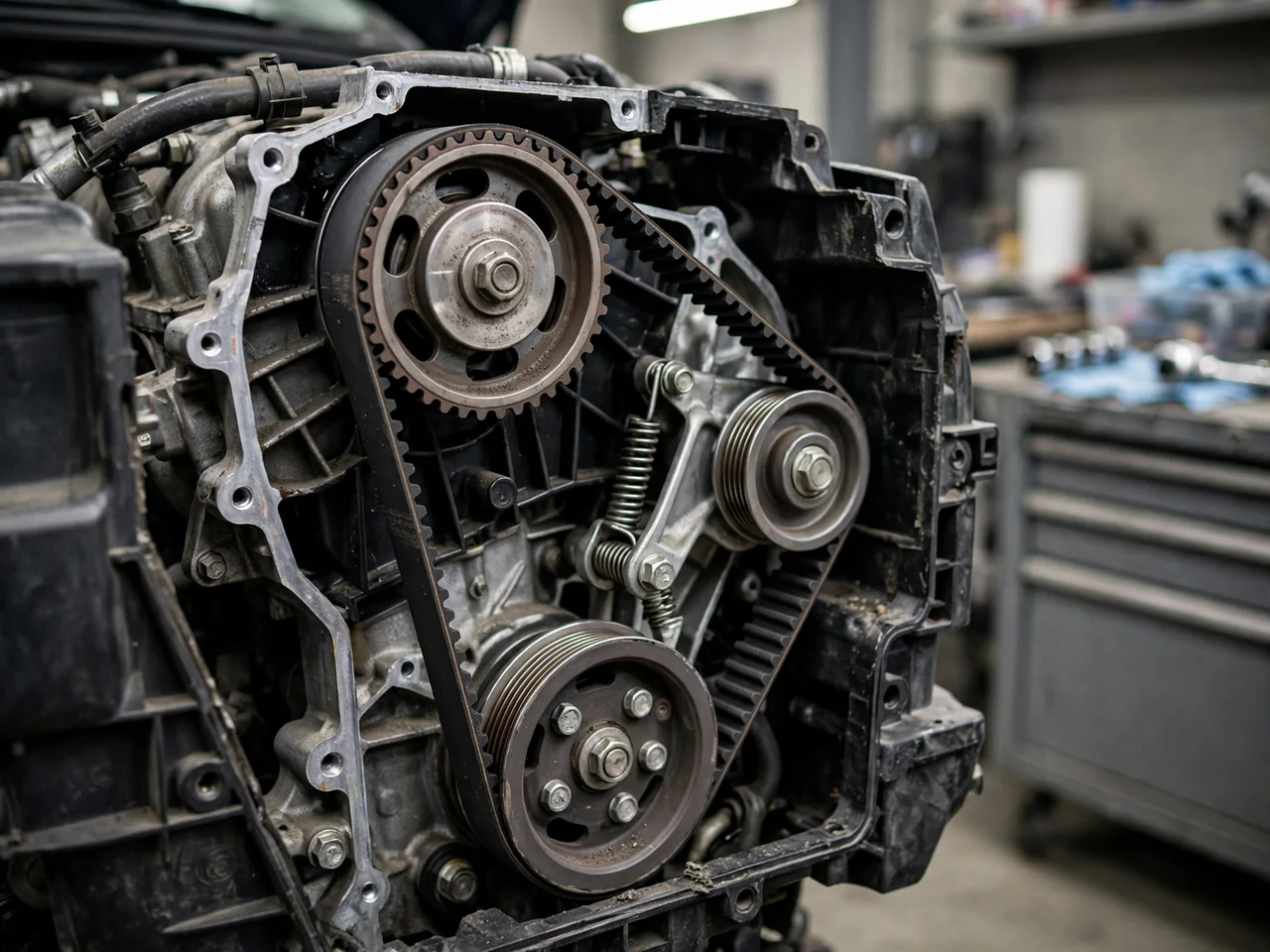
Volvo timing belt replacement is scheduled maintenance for engines that use a belt to keep camshaft and crankshaft rotation in step. Whether you are planning a Volvo timing belt change, comparing replacement cost, or asking about XC90 service, start with the engine, model year, and service records. Not every Volvo uses a belt, so identification comes before a labor estimate or parts list.
Identify the Timing System in Your Volvo
The timing belt keeps the crankshaft and camshafts synchronized so valves open and close at the intended points in each combustion cycle. If that relationship is lost, the engine can misfire, fail to start, or suffer internal contact between valves and pistons on interference designs. Planning Volvo timing belt replacement therefore begins with confirming that the engine actually uses a belt rather than a chain or another drive arrangement. Model year, engine family, and the market the vehicle was built for all influence which timing system is fitted.
A shop confirms those details with the VIN, engine identification markings or labels, and the vehicle-specific service information for that build. Engine identification is especially important because similar-looking Volvos can use different timing hardware across years and powertrains. Once the timing system is verified, the applicable maintenance schedule can be pulled and a timing belt service plan written around the correct belt, tensioner hardware, and access path. Guessing from a badge or a previous owner's description is not a substitute for that confirmation.
Confirm When Timing Belt Replacement Is Due
Volvo timing belt replacement is due according to the maintenance schedule for the exact vehicle, not a single interval that applies to every engine. That schedule typically combines mileage and elapsed time so a belt is changed even when the car is driven less than expected. Review dated invoices and other service records for the last Volvo timing belt change, including the odometer reading and which parts were installed. The invoice should show whether the belt tensioner, idler pulleys, and related hardware were renewed with the belt.
If those records are missing, arrange a maintenance assessment instead of assuming the belt was replaced at some undocumented visit. A technician can compare the current mileage and age against the applicable schedule and recommend service based on documented evidence, not hope. A belt that looks intact, an engine that still runs quietly, or relatively low accumulated mileage cannot establish remaining service life, because rubber and related components age even when the vehicle sits. Calendar time in the maintenance schedule exists for that reason.
Check XC90 Timing Belt Requirements by Engine
Volvo XC90 timing belt replacement is engine-specific, so confirm the XC90's model year and engine before discussing belt fitment, replacement timing, or service scope. Some XC90 powertrains use a timing belt; others do not, and treating every XC90 as if it needs the same belt service would be incorrect. An owner can provide VIN and engine identification details and request the applicable maintenance schedule plus a written estimate. That request should stay conditional on the confirmed timing system rather than a generic XC90 recommendation.
Once the job is authorized, the XC90 service invoice should preserve the date, mileage, and the components actually installed so the next interval can be tracked. Note the belt, belt tensioner, idler pulleys, and any water pump or coolant work that was included, along with parts numbers if they appear on the paperwork. Those details become the baseline for future timing belt service and help a later shop avoid repeating or omitting work. Keep a copy with the other service records rather than relying on memory of a past visit.
Recognize Symptoms That Need Prompt Assessment
A timing belt can reach its scheduled replacement point without producing warning signs, which is why the maintenance schedule matters even when the engine feels normal. Unusual engine-area noises, visible fluid leaks, rough running, or hard starting are reasons to have the vehicle assessed, but they do not diagnose a timing belt fault by themselves. Accessory drives, pulleys, coolant seepage, and other adjacent parts can create similar observations. Treat those symptoms as prompts for professional inspection, not as proof that the belt has failed.
Owner checks should stay limited to reviewing service records and noting symptoms with the vehicle safely parked. Do not remove covers or inspect components near moving parts. If the engine stalls suddenly or a severe mechanical noise develops, stop safely and arrange professional assistance rather than attempting repeated restarts when a timing failure is suspected. Restarting can add damage if valve timing has already been lost. A shop can then interpret findings against the confirmed engine design instead of treating a symptom as a completed diagnosis.
Understand What Timing Belt Service Includes
Professional timing belt service starts by verifying the engine-specific procedure, then accessing the timing system, replacing the specified components, and checking that the engine runs with correct mechanical timing. A useful estimate lists the belt, belt tensioner, idler pulleys, and any engine-specific required hardware as separate line items rather than a single bundled phrase. That breakdown shows whether wear items that share the same access path are included. Discussions of Volvo timing belt replacement cost are more reliable when the labor estimate matches that confirmed scope.
Water pump replacement, coolant service, and leak repairs depend on engine layout, the condition found during access, and the applicable service guidance for that engine. Some layouts place the water pump where it is practical to renew during a Volvo timing belt change; others do not, so those items should not be assumed. Specialized locking tools and accurate timing setup make this work unsuitable as a step-by-step owner repair. Incorrect camshaft or crankshaft alignment can cause immediate engine damage, which is why this remains shop work that depends on engine-specific locking tools.
Understand Volvo Timing Belt Replacement Costs
A useful expected cost for Volvo timing belt replacement requires the exact engine, the shop's location and labor rate, and a confirmed service scope. There is no single Volvo timing belt replacement cost that applies across models, years, and markets. Access time, parts selection, and any associated repairs found during inspection all change the total. Ask for an itemized written estimate rather than a round number that hides whether tensioner and pulley hardware are included.
That estimate should list labor, belt-system components, applicable fluids, shop fees, and taxes so the Volvo timing belt replacement cost comparison is based on the same work. Clarify whether water pump work, leak correction, and additional findings are included or need separate authorization if they appear after covers are removed. Access requirements on some engines add hours; a labor estimate that ignores that reality will not match the invoice. Confirming scope in writing before the Volvo timing belt replacement begins prevents surprise charges and incomplete component lists.