Volkswagen Manual Transmission Models and Used-Buying Checks
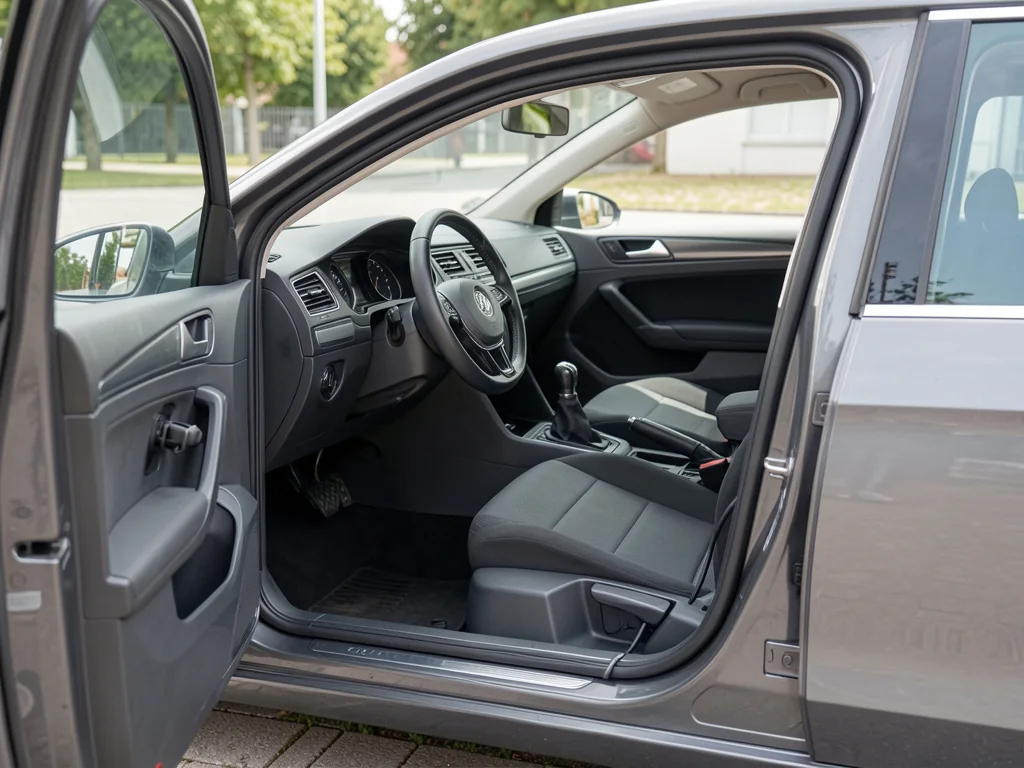
Shoppers looking at a volkswagen manual transmission still find three-pedal examples among used US-market passenger cars, even as new-car availability has narrowed. A vw manual transmission was never a universal option across every Golf, GTI, Golf R, Jetta, Jetta GLI, or Beetle; it depended on model year, engine, and trim level. This overview maps those families, how to confirm factory equipment, and what ownership notes matter before you buy.
Volkswagen Models That Offered a Manual Transmission
For US-market Volkswagen passenger vehicles, a manual gearbox was a configuration choice rather than a given. Availability tracked model year, engine pairing, and trim, so a familiar nameplate on a used lot does not prove three pedals were factory equipment. Historically, the Golf, GTI, Golf R, Jetta, Jetta GLI, and Beetle families all included manual-equipped examples in certain years and trims. Those families are the realistic shopping targets for buyers who want a clutch pedal and a conventional shift pattern, provided the specific vehicle was built that way.
Not every version of those models offered a manual. Performance-oriented Golf GTI, Golf R, and Jetta GLI cars are often associated with a stick shift, yet automatic or dual-clutch versions existed alongside them, and some later years dropped the three-pedal option entirely. A Beetle or base Golf or Jetta might have been sold with a manual gearbox in one model year and only automatics in another. A used listing that shows a Golf, GTI, or Jetta does not establish that Volkswagen currently sells that model with a manual, nor that the advertised car itself has one.
How Model Year and Trim Determine Manual Availability
A familiar Volkswagen model name cannot confirm that a particular car has a manual gearbox. The same Golf, GTI, Golf R, Jetta, Jetta GLI, or Beetle badge appeared on cars with very different factory equipment depending on year and trim level. Shoppers need the model year and the eligible configuration, not just the family name, because a later automatic-only year can look identical in photos to an earlier three-pedal car. Treat the name as a starting filter, then verify the year and trim against how that US-market passenger vehicle was actually offered.
Model year is the production designation Volkswagen used for that vehicle, and it is not always the same as the year printed on a registration or title. Advertisements and ownership documents can list a registration year that is later than the model year, which matters when the last US-market manual for a family ended in a specific model year. Gray-market or privately imported cars can carry overseas gearboxes and trims that never appeared in US dealer inventory, so they sit outside this availability overview and need separate verification rather than being treated as domestic factory equipment.
Confirming That a Listed VW Has a Factory Manual
Online listing filters and seller-entered transmission labels are convenient but error-prone. A car tagged as a volkswagen manual transmission may actually have an automatic, a dual-clutch unit, or a selectable manual mode, because those fields are typed by people who may not distinguish a clutch-pedal gearbox from a shifter that can be moved by hand. Start with cabin photographs that show a clutch pedal and a manual shift pattern, then treat that as initial evidence only. Documentation has to follow, because a photo can be from another car or an older listing recycled for a different vehicle.
Factory equipment records, a build sheet, or a vehicle-specific dealer inquiry can confirm the original transmission more reliably than a classified ad. Not every VIN decoder reports gearbox type, so an incomplete decoder result is not proof either way. Paddle shifters and a console lever that offers a selectable manual mode belong to automatic or dual-clutch systems; they do not establish a clutch-pedal manual gearbox. If the cabin lacks a third pedal, the car is not a factory three-pedal vw manual transmission, regardless of how the seller described the shift pattern.
What to Observe During a Used Volkswagen Inspection
A pre-purchase inspection by a technician familiar with the specific Volkswagen model and its transmission is the practical next step after paperwork looks consistent. During an ordinary, legal test drive, note whether gears are difficult to select, whether unexpected noises appear while shifting or in gear, whether clutch engagement feels unusually high, low, grabbing, or inconsistent, and whether engine speed rises without corresponding acceleration. Those observations describe how the car behaves on that drive. They cannot identify a failed component or establish repair cost without professional testing of the clutch, gearbox, and related systems.
Parked checks should stay limited to accessible visual observations and a review of records. From the driver’s seat, note clutch pedal travel, the shift boot and surrounding trim, fluid stains visible without going under the car, and warning lights that appear with the ignition on. Do not crawl under the vehicle, force a shift as a diagnostic, or run deliberate clutch stress tests; those steps belong to a shop. A technician’s inspection can then interpret what the test drive and records actually mean.
Service Records and Ownership Questions to Resolve
Ask for service records that document clutch, flywheel, gearbox, and related work, including dates, mileage, and the stated reason for each repair. Incomplete folders are common on used Volkswagens, so missing paperwork is a gap to investigate rather than proof that nothing was done. Fluid specifications and service requirements belong to the exact vehicle’s maintenance information; a universal interval should not be assumed for every VW manual. Clutch life depends on use and condition, which means high or low mileage alone cannot establish remaining life or the need for replacement.
Modifications and transmission swaps change what you are buying. A different gearbox, clutch, flywheel, or engine pairing than factory equipment can alter shift quality, parts sourcing, and how a technician inspects the car, so those changes are reasons to seek additional documentation and specialist assessment. Before you commit, obtain a written estimate for inspection findings with parts and labor tied to the specific vehicle rather than a generic quote. That estimate, together with the records you collected, gives a clearer picture of ownership cost than mileage or a listing’s vw manual transmission label.