Volkswagen Jetta Tire Pressure Light: Why It’s On and How to Reset It
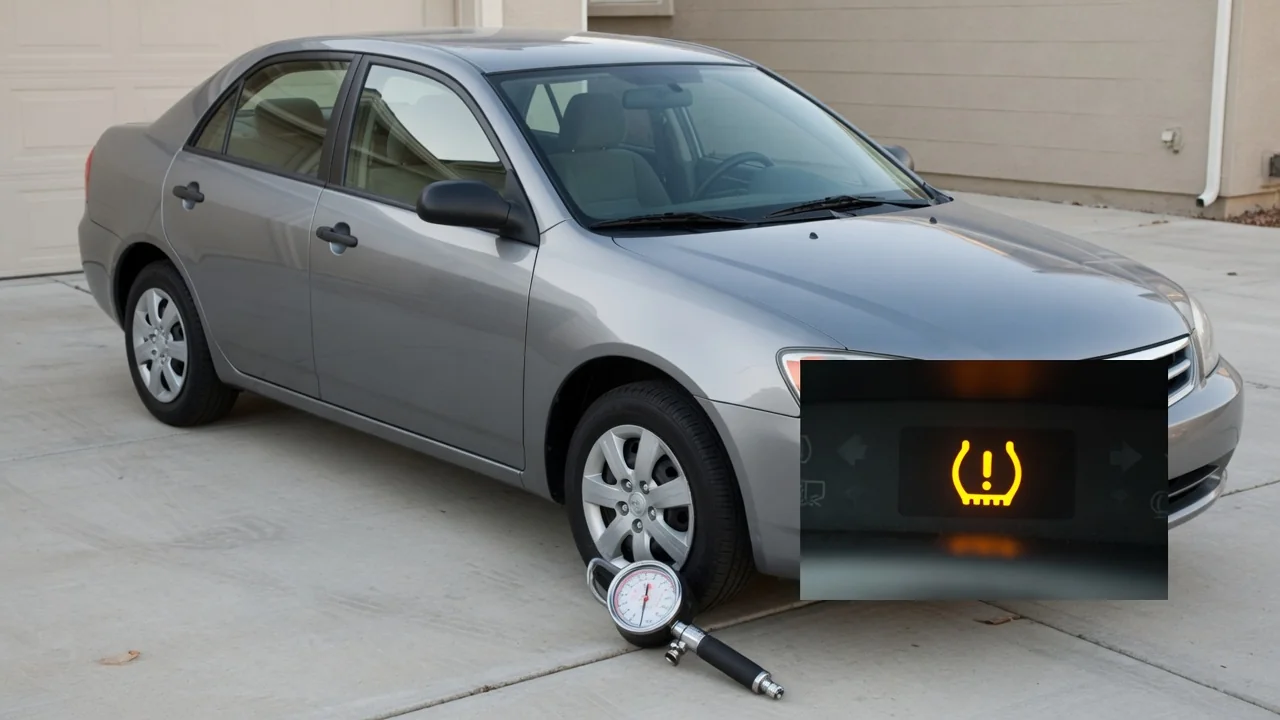
The Volkswagen Jetta tire pressure light is a warning to inspect inflation promptly, not a diagnosis of a failed tire. Many Jettas use indirect TPMS that watches wheel-speed sensors rather than measuring pressure in each tire. Confirm the model year, market, and the monitoring system in the owner's manual before you reset anything. Cold tire pressure on the driver-door tire pressure label is the reference the system expects after a proper check.
What the Jetta’s Tire Pressure Light Tells You
When the VW Jetta tire pressure light comes on, the dashboard is signaling that the monitoring system has detected a condition consistent with underinflation. The tire pressure warning light typically appears as a horseshoe-shaped symbol with an exclamation point. Treat it as a prompt to inspect the tires soon, because low inflation can affect handling, braking distance, and heat buildup. Do not assume a particular tire has failed or that the vehicle is unsafe solely from the lamp; the first job is a careful look at all four road tires.
Jetta monitoring hardware is not the same on every car. Confirm the model year, market, and the installed tire-pressure monitoring system in the owner's manual before you interpret the lamp or attempt a reset. Many Jettas use indirect TPMS, which compares wheel-speed information to recognize rolling-radius changes consistent with pressure loss. That approach does not measure actual inflation. The warning therefore cannot identify the cause, tell you the pressure in psi, or prove a tire is safe to continue driving without a gauge check.
Check the Tires Before Resetting the Warning
If a tire looks obviously low, the Jetta pulls to one side, vibrates unusually, or handling feels impaired, pull over in a safe place and arrange assistance rather than continuing at speed. When the vehicle can be checked normally, inspect each road tire with a suitable pressure gauge while the tires are cold, meaning they have not been driven far or recently. Use the specification on the driver-door tire pressure label, not the number molded into the tire sidewall, which is a maximum construction rating rather than the recommended cold tire pressure for this vehicle.
Walk around the car and look at the tread, sidewalls, and beads for obvious cuts, bulges, or an object sitting in the rubber. Note what you see; do not pry anything out or attempt a roadside repair. Include the spare only if your manual treats it as a monitored or regularly inflated tire. After you record the cold readings against the door-jamb label, you will know whether the Volkswagen Jetta tire pressure light appeared because inflation was actually low or because something else needs attention later.
Common Reasons the Warning Appears
Cooler weather can drop cold tire pressure enough for an indirect system to notice a change, even when no tire is damaged. Air contracts as temperature falls, so a Jetta parked overnight in a cold snap may light the warning by morning. A gauge check is still required because temperature does not rule out a slow leak. Punctures, leaking valve cores or stems, and wheel sealing problems can also let air out. None of those causes can be assumed from the lamp alone, and none should be treated as typical of this model without inspection.
Inflation work itself can also bring the light on. After you add air, rotate the tires, or install different tires, the stored reference the indirect TPMS uses may no longer match the new rolling characteristics. The owner's manual explains when tire pressure calibration or a stored-reference reset is needed. Seeing the warning after a cold night, a service visit, or a long trip is an observed trigger, not a confirmed diagnosis. Timing does not prove whether the tires lost air or the monitoring system needs attention.
Reset Through the Infotainment Menu or SET Button
Correct and verify cold inflation to the driver-door label before any reset. Storing a new reference, sometimes called tire pressure calibration, does not add air or seal a leak; it only tells the indirect TPMS what normal wheel-speed behavior should look like. If equipped, look in the infotainment tire settings or vehicle settings for a tire-pressure storage or reset function, then follow the on-screen confirmation prompts. Menu names and paths vary, so do not treat one screen sequence as correct for every Jetta.
Some Jettas use a dedicated tire pressure SET button instead of, or in addition to, the infotainment path. Check the model-year owner's manual for that button's location, the required ignition or run condition, and the exact activation steps. Hold times and button placement are not universal. After you store the reference, an indirect system may need subsequent driving before it finishes learning. The applicable manual describes the driving conditions and any completion indication; do not assume the light must go out the moment you press SET.
What to Check If the Light Returns or Flashes
If the tire pressure warning light returns after a reset, recheck cold pressures instead of storing another reference. Measurable loss between checks points to a leak that a reset cannot solve. Note which tire dropped, how many miles or hours passed before the lamp came back, and whether the loss was sudden or gradual. That record helps a technician find a puncture, valve issue, or sealing problem. Repeated resets without a gauge trend hide the leak and leave the monitoring system chasing a moving target.
A flashing lamp, a light that stays on after verified inflation and a correct reset, or an extra dashboard message needs the interpretation in your vehicle-specific manual. Manufacturer-dependent codes and messages require confirmation for that Jetta; a warning is evidence to interpret, not proof a part has failed. Because indirect TPMS relies on wheel-speed sensors and related stability-control inputs, a fault in those circuits can affect monitoring. The tire warning by itself does not justify replacing a sensor or any other component.
When the Jetta Needs Professional Tire or System Testing
Take the Jetta to a tire or Volkswagen specialist if pressure keeps falling, a tire shows visible damage, or the warning remains after you have verified cold inflation and completed the reset procedure in the owner's manual. A shop can perform leak testing with soapy solution or a dunk tank, inspect the valve and wheel seal, and assess tread and sidewall condition. Those tests locate where air is escaping without requiring you to disassemble the tire at the roadside. Do not drive on a tire that is obviously deflated or structurally compromised.
If inflation is correct and the light still will not clear, diagnostic scanning of the monitoring system and its wheel-speed inputs may be needed. Bring the model year, any recent tire rotation or replacement, your cold pressure readings, how the warning behaved (steady, flashing, or returning), and any other dashboard messages. That history lets a technician decide whether the tires, a valve, or the indirect TPMS electronics deserve attention. The Volkswagen Jetta tire pressure light is a starting point for inspection, not a parts order.