Volkswagen EV Range Guide: How Far Each VW Electric Model Can Go
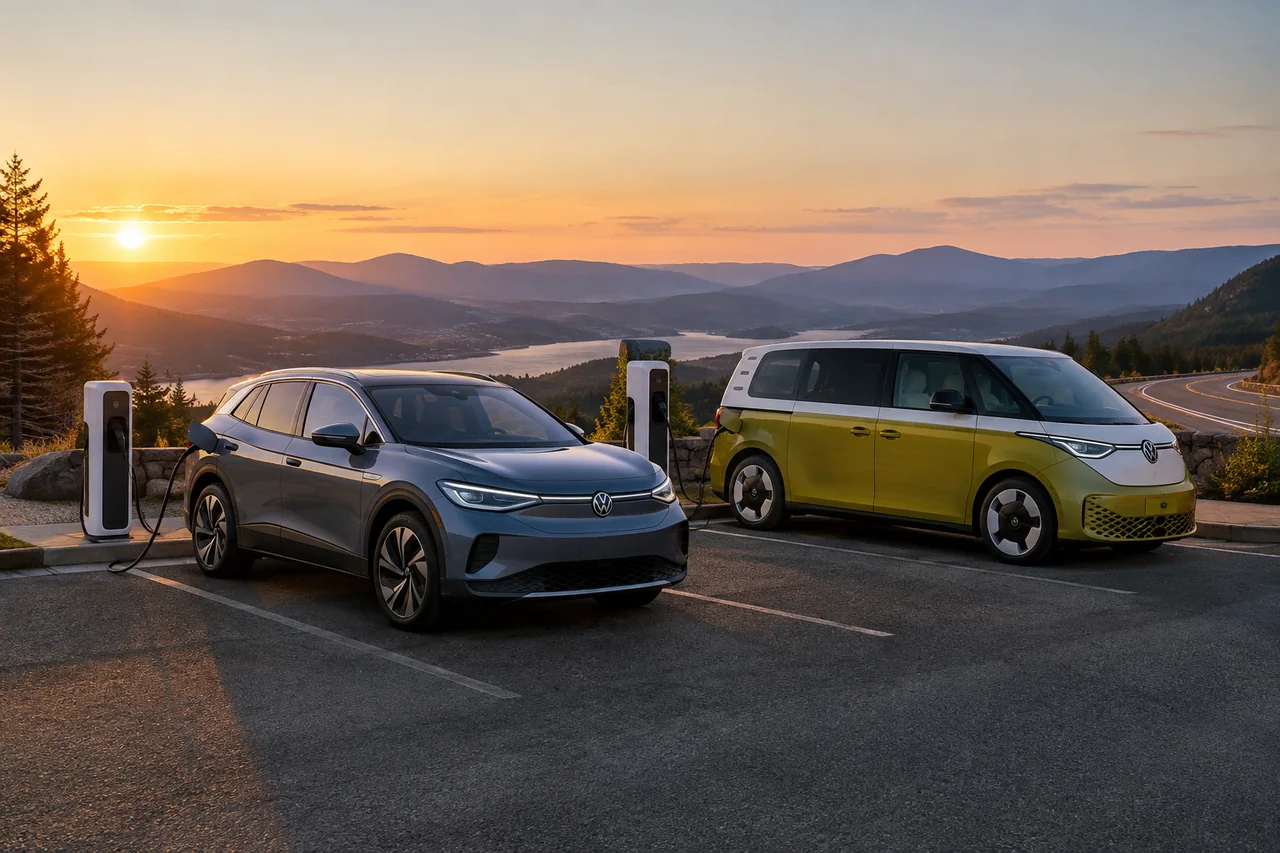
Choosing a Volkswagen EV means weighing official range estimates against the miles you actually drive. Volkswagen’s electric lineup spans the ID.4 crossover and the ID. Buzz van, each with EPA figures that vary by battery, drivetrain, and wheels. Real-world range shifts with speed, temperature, load, and charging habits. Understanding where those numbers come from—and how to interpret the dashboard’s guess-o-meter—helps you plan commutes, family trips, and van road trips without unnecessary range anxiety.
What Volkswagen EV Range Figures Mean and Where They Come From
Official US range figures for Volkswagen EVs are EPA estimates. They apply to a specific model year, battery capacity, drivetrain type, and wheel-and-tire setup. A 2025 ID.4 with the larger battery and rear-wheel drive may be listed at a different range than the same model with all-wheel drive and larger wheels. These numbers come from controlled laboratory tests, not real roads, so they are a comparison tool rather than a guarantee of daily miles per charge.
Range can differ between trims even when the battery is identical. Rear-wheel drive typically uses less energy than all-wheel drive because it powers only one axle. Larger or wider wheels add rolling resistance and aerodynamic drag, lowering the EPA estimate. The dashboard range display, often called a guess-o-meter, adjusts to recent driving and outside temperature. A real trip may exceed or fall short of the official figure, so check the window sticker or Volkswagen’s official site for your exact configuration.
Range Across the Current VW Electric Lineup
The current US Volkswagen EV lineup includes the ID.4 compact crossover and the ID. Buzz electric van. The ID.4 is offered with different battery options depending on model year; rear-wheel drive versions generally post higher EPA range than all-wheel drive variants. The ID. Buzz is a longer, boxier vehicle built for family and cargo hauling, with range figures that reflect its larger size and weight. Each model is designed for different needs: the ID.4 suits daily commuting and errands, while the ID. Buzz carries more people and gear.
Specific range numbers change with battery and drivetrain choices. For example, a rear-wheel drive ID.4 with the larger battery may be estimated above 290 miles, while an all-wheel drive version with the same battery drops by several miles. The ID. Buzz, with its van profile, typically estimates lower than the ID.4. Volkswagen updates trims and specifications between model years, so a figure from one year may not apply to the next. Always recheck official EPA listings or the Volkswagen website for the exact model year and configuration you are considering.
ID. Buzz Electric Van Range: What Owners Can Expect
The ID. Buzz is Volkswagen’s electric van, and its shape works against efficiency at highway speeds. A tall, flat front and long roofline create aerodynamic drag that increases with velocity. The van’s heavier body and larger frontal area require more energy to maintain 70 mph than a lower, sleeker crossover. In city driving, regenerative braking recovers some energy during stops, but sustained highway cruising leans on the battery with little opportunity for regen.
Range for the ID. Buzz varies with battery and drivetrain. The standard-wheelbase version with a larger battery and rear-wheel drive may be EPA-listed around 230–250 miles, while all-wheel drive and long-wheelbase editions shift those numbers. A full load of passengers, luggage, or roof-mounted items adds weight and wind resistance, cutting miles per charge. For van road trips, leave a buffer of at least 10–15 percent over the planned distance, and verify charging stops ahead because highway speeds and elevation changes can drain the battery faster than the guess-o-meter predicts.
Real-World Factors That Change VW EV Range
Cold weather reduces EV range for two main reasons. First, a lithium-ion battery’s chemical reactions slow at low temperatures, making less energy available until it warms up. Second, cabin heating consumes electricity. Some Volkswagen EVs offer a heat pump, which moves heat rather than creating it and uses less energy than resistance heating, but equipment varies by trim and model year. Preconditioning the cabin and battery while plugged in can reduce that initial drain before you leave.
Sustained highway speed is a bigger range killer than stop-and-go city driving. Air resistance rises exponentially with speed, so 75 mph uses far more energy than 55 mph. Headwinds act like extra speed, and climbing hills demands more power, while regenerative braking recaptures some energy on descents. Low tire pressure increases rolling resistance, and larger wheels or a roof rack add drag. Towing—if the model is rated for it—can cut range roughly in half. Smooth acceleration and steady speeds will preserve more miles than aggressive driving.
Getting the Most Range From a Volkswagen EV
Preconditioning the cabin and battery while still plugged in saves range, especially in winter. Use the vehicle’s app or departure timer to warm the interior and bring the battery to an efficient temperature using grid power rather than the battery. This leaves more state of charge for driving. In summer, pre-cooling does the same. A warm battery also accepts DC fast charging more quickly when you stop.
Everyday habits make a measurable difference. Accelerate gently, anticipate stops, and keep highway speeds moderate—around 65 mph rather than 75. Where available, use seat heaters and a heated steering wheel instead of heating the entire cabin; they draw less power. For daily charging, many owners keep the battery between 20 and 80 percent to reduce stress on the cells. Before a long trip, charge to 100 percent following the owner’s manual. Built-in navigation can plan routes and show predicted charge on arrival, helping you adjust in real time.
Charging and Range Planning for Longer Trips
DC fast charging is fastest when the battery is low and tapers as it fills. Charging from 10 to 60 percent might take about the same time as 60 to 90 percent because the car reduces power to protect the battery. On a road trip, short stops at a moderate state of charge often save more time than waiting for a full charge. Level 2 charging at home, typically 240 volts, adds miles overnight and is gentler on the battery than frequent fast charging.
Before a long trip, check charging-network access for your model year. Some Volkswagen EVs use CCS connectors, while newer models may move to NACS with an adapter. Confirm your plug type and any software updates through official Volkswagen sources. Plan backup stops, especially in rural areas or cold weather, and keep a sensible reserve—arriving with 10 percent or more leaves room for detours, headwinds, or a broken charger. The car’s navigation can show nearby stations, but carrying an alternative plan reduces stress.
Battery Health and Long-Term Range Expectations
Like all lithium-ion batteries, Volkswagen EV packs slowly lose capacity over time. The rate depends on climate, charging habits, and usage. Frequent DC fast charging, prolonged high state of charge in hot weather, and deep discharges can accelerate degradation, but most packs retain the majority of their original range for many years. A gradual loss of a few percent is normal and often not noticeable in daily driving.
Check the battery warranty in official Volkswagen documents—it is separate from the vehicle warranty and typically covers capacity loss below a set threshold for a defined period. If you notice a sudden, unexplained drop in range, a persistent battery warning light, or charging faults, have a dealer perform diagnostic testing. A fault code is evidence to interpret, not proof a part has failed. Never open or work on high-voltage components; the orange cables and connectors carry lethal voltage, and all service should be done by trained technicians.