Volkswagen Check Engine Light: Causes for Jetta, Passat, and Tiguan
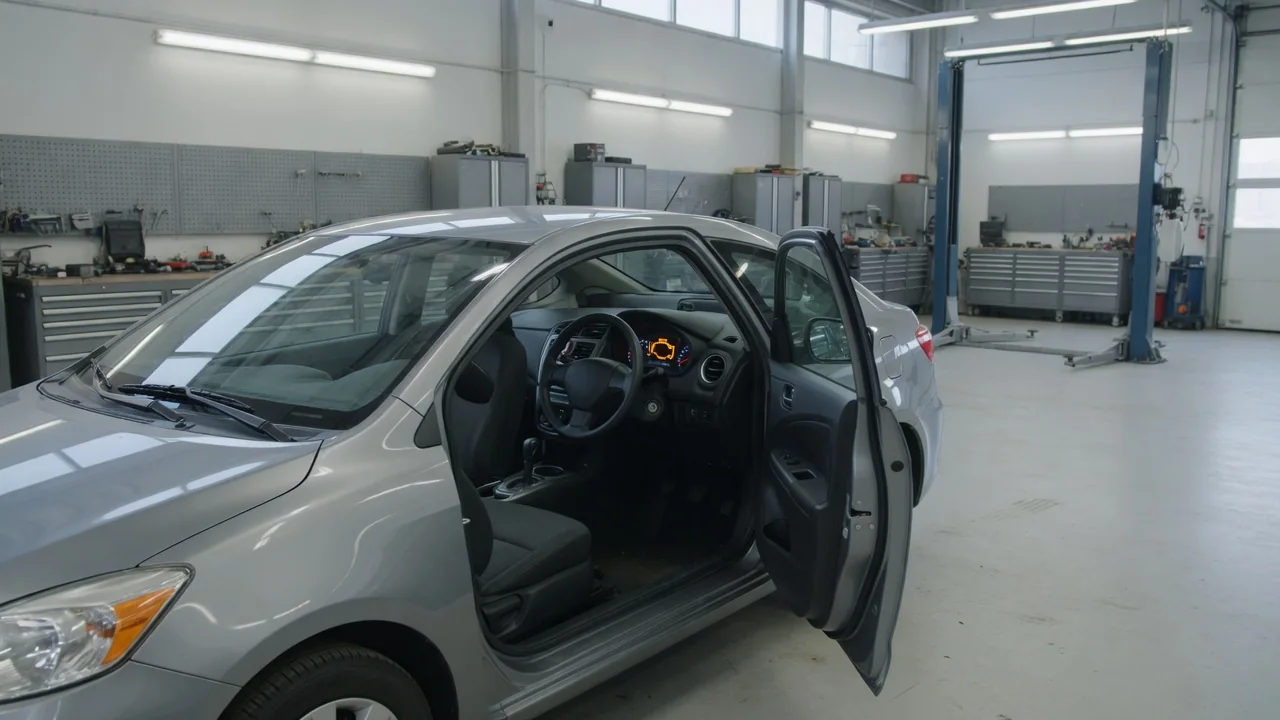
A check engine light on a Volkswagen, often called the malfunction indicator lamp, means the engine-control system stored an engine-management or emissions fault. On a VW Jetta, Passat, or Tiguan, OBD-II trouble codes, freeze-frame data, year, and engine still must be read before interpreting the warning. Normal driving feel does not prove the condition is harmless, and a flashing lamp needs a different response than a steady one.
What Your Volkswagen Check Engine Light Means
When a Volkswagen check engine light comes on, the control module has detected an engine-management or emissions fault. The malfunction indicator lamp does not name a failed part. A stored OBD-II trouble code is evidence to interpret against live data, freeze-frame data, and symptoms. A steady check engine light on a VW can appear while idle feels ordinary, yet ordinary feel does not establish that continued driving is safe because some faults affect catalyst efficiency or fuel trim without an obvious drivability change.
A flashing Volkswagen check engine light can indicate an active engine misfire that may overheat the catalyst if driving continues. Pull over when it is safe, shut the engine down, and arrange assistance rather than limping home through repeated misfires. Severe shaking, substantial power loss, smoke, overheating, or an additional red warning on a VW is a separate reason to stop safely and seek help. Those conditions can accompany combustion or cooling problems that a code alone cannot rank by severity.
Faults That Can Trigger the Light
Ignition and combustion faults can produce an engine misfire, rough idle, or hesitation that turns on a check engine light on Volkswagen. Coil, plug, injector, compression, and wiring problems can all disturb combustion, so a misfire code does not prove which hardware failed. Intake leaks, air-metering faults, and fuel-delivery problems can also drive incorrect air-fuel control, and fuel trim then moves as the module tries to restore the mixture.
The evaporative emissions system can turn on a check engine light on Volkswagen models after a loose or damaged fuel cap where that design is fitted, or after a vapor-line leak. A cap issue does not explain every warning. Oxygen-sensor and catalyst-related codes require confirmation because wiring faults, exhaust leaks, and upstream engine problems can distort the readings. Those codes do not authorize sensor or converter replacement on their own.
Safe Checks and the Diagnostic Information to Save
Before parts are disturbed, record when the check engine light on a VW appeared, whether the tank was filled, what service was recently completed, how the engine started, and whether idle or acceleration changed. Those notes help match freeze-frame data to the event. With the vehicle safely parked and the engine off, check fuel-cap seating where a cap is fitted, following the owner's manual. A reseated cap may address one evaporative path without clearing unrelated faults.
Save the exact stored and pending OBD-II trouble codes and any freeze-frame data before clearing memory or disconnecting the battery. Clearing removes evidence and can reset emissions readiness monitors that a later inspection will need. Code definitions must be verified for the specific Volkswagen model year, engine, and market, because manufacturer-dependent codes are not universal. Volkswagen-capable diagnostic equipment is needed when a basic reader cannot display VW-specific identifiers, adaptation values, or guided tests.
Jetta Check Engine Light: Engine Details That Matter
A Jetta check engine light cannot be interpreted from the model name. Establish the model year, engine, and fuel type first, because gasoline and diesel Jettas do not share the same ignition hardware or aftertreatment. Rough idle, hard starting, or a warning after refueling helps a technician choose tests for combustion, fuel trim, or the evaporative emissions system. Those symptoms do not prove a coil, injector, or cap has failed; they only narrow which measurements belong next.
A check engine light on a Jetta with a diesel engine needs diagnosis against the installed emissions equipment and the exact stored codes, not gasoline ignition theory. Glow, aftertreatment, and fuel-system tests belong only where that hardware is present. Gasoline misfire and spark explanations apply only to gasoline engines. Replacing parts because another Jetta owner described a similar warning, or because an unverified code description named a component, skips the measurements that distinguish a failed part from a wiring or leak fault.
Passat Check Engine Light: Narrowing the Diagnostic Path
A check engine light on a Volkswagen Passat cannot be diagnosed from the nameplate. Record the year, market, engine, and fuel type, because a VW Passat check engine light can sit over different powertrains and emissions packages. Cold-start behavior, warm-engine idle, and the conditions when the warning appeared belong in the history next to freeze-frame data. A light that sets only after a cold start points toward different tests than one that sets after sustained highway load.
If EPC or another warning appears with a VW Passat check engine light, record each indicator separately rather than treating them as one failed part. Combined warnings still require diagnosis of the stored codes and the conditions that set them. Professional checks then follow those clues through wiring, intake integrity, and fuel-control data, including fuel trim. The goal is to confirm whether the module is reacting to a real mixture, ignition, or circuit fault before any component is replaced.
Tiguan Check Engine Light: Power Loss and Driveability Clues
A check engine light on a Volkswagen Tiguan still starts with the year and engine, because a VW Tiguan check engine light can involve naturally aspirated or boosted engines depending on the vehicle. Hesitation or reduced power can involve combustion, air-fuel control, or boost control where a turbocharger is fitted. The symptom alone cannot locate the fault, even when freeze-frame data shows a misfire, a metering error, or a boost-regulation clue that testing still has to separate.
Document whether the check engine light on a VW Tiguan appeared at startup, at idle, or during ordinary acceleration, without deliberately recreating a fault on the road. Those timing notes, plus freeze-frame snapshots, tell a technician which operating range to inspect. Professional testing of intake leaks, boost regulation where applicable, and sensor signals is warranted when power is reduced or the warning persists. Leave hose, sensor, and actuator work to a shop; roadside component disassembly is not part of diagnosis.
Confirming the Repair and Handling a Returning Light
Clearing a code after a Volkswagen check engine light appears does not repair the cause. It can erase freeze-frame data and reset emissions readiness monitors that still have to complete before an inspection. Repair verification uses the appropriate diagnostic checks, confirmed symptom resolution, and monitor completion. There is no single universal drive cycle for every VW Jetta, Passat, or Tiguan, because monitor enable conditions depend on the engine, software, and which tests the module still needs to run.
A VW check engine light that goes out on its own does not prove the underlying issue is resolved. Intermittent misfires, evaporative leaks, and connector faults can drop below the lamp threshold while stored or pending codes still help diagnosis. If the warning recurs, return with the original codes, freeze-frame notes, and any repair details performed. A flashing lamp, severe shaking, substantial power loss, smoke, overheating, or a new red warning still means stop safely and seek help.