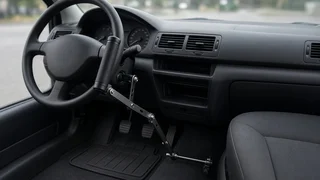
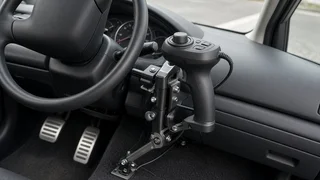
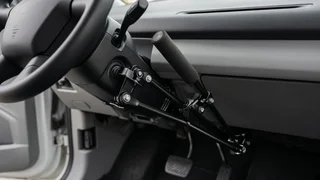
Veigel hand controls for cars
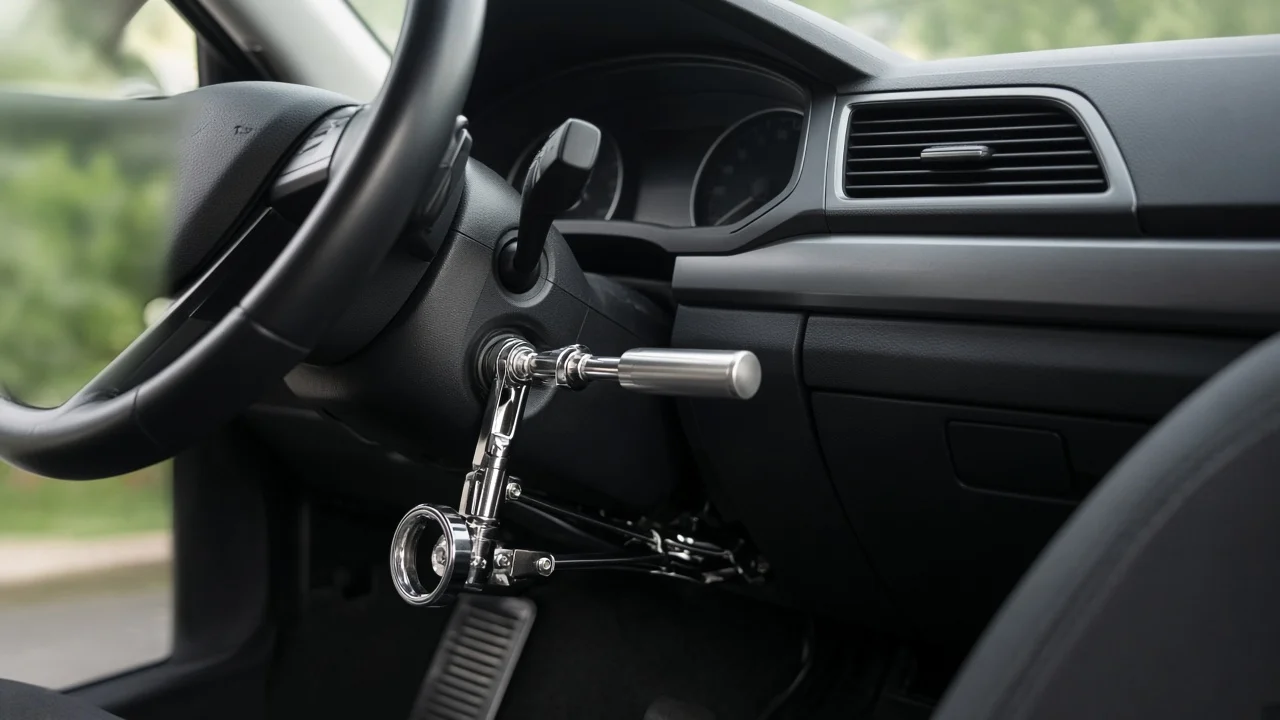
Choosing Veigel hand controls for cars means evaluating how a hand-operated accelerator and brake linkage fit your physical reach, the cabin layout, and the way you transfer into the driver seat. Because these controls replace or reposition foot-driven functions, their value depends on control mounting, pedal clearance, and the operating range you can maintain without strain. A proper driver assessment helps identify whether a particular setup supports safe steering, signaling, and braking without blocking knee room or secondary controls.
The direct answer
Veigel hand controls for cars are adaptable driving aids that let a driver operate the accelerator and brake through upper-body movement instead of the standard foot pedals. They are generally considered when a medical condition, limb difference, or injury restricts leg function. Before purchasing, the key check is whether the chosen mechanism can be fitted to the specific vehicle while preserving full steering rotation, seat travel, and access to the gear selector, turn signals, and secondary switches.
A suitable installation usually involves a mechanical or electronic push-pull or lever-style hand control mounted near the steering column or lower dash. The driver pushes or pulls to feed throttle input and moves the control in the opposite direction to apply braking force. Because leverage and linkage geometry differ by vehicle, the best next step is a hands-on trial with a qualified mobility specialist who can verify that the brake linkage reaches full pressure without excessive hand effort and that the accelerator returns to idle reliably.