Vehicles With a Manual Transmission: How to Find One New or Used
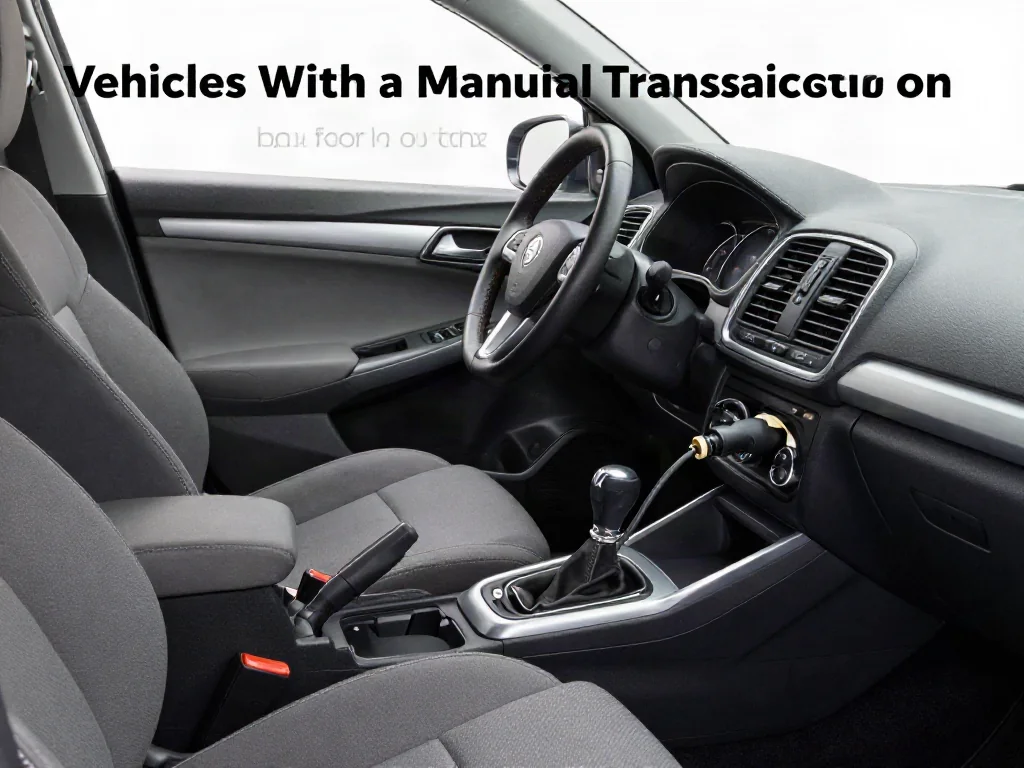
Finding a vehicle with a manual transmission takes more deliberate searching than it once did, because fewer new models offer a clutch pedal and many listings describe transmissions loosely. Whether you want a new stick shift or are shopping used manual transmission vehicles, the approach is the same: learn what a true manual looks like, confirm the exact configuration, and check the specific vehicle before you commit time or money.
What Identifies a Vehicle With a Manual Transmission
A conventional manual transmission vehicle has three pedals: the accelerator, the brake, and a clutch pedal on the far left. Pressing the clutch disconnects the engine from the transmission, so the driver can move the gearshift into the next gear. The gearshift is usually a floor-mounted lever with a printed shift pattern. Releasing the clutch smoothly reconnects engine power. Because the driver chooses every gear change, a stick shift gives direct control over engine speed. Many owners value that for driver engagement, engine braking on grades, and predictable response.
Listings can blur this distinction. Terms such as manual mode, manumatic, sport shift, or paddle shifters usually describe an automatic or dual-clutch transmission. These let the driver request gears without a clutch pedal, so they don't prove the car has a conventional manual. Whether a manual was offered also depends on details. A model may offer one only in certain model years, on a specific trim level, with one engine, or in particular sales markets. Confirm each of those details instead of relying on the model name.
Which Vehicle Types to Include in Your Search
Vehicles with manual transmission have historically appeared in several categories worth searching: compact and midsize cars, sports cars, pickups, and some SUVs. How many choices each category offers depends on the model year and configuration, because manufacturers add and drop manual options over time. A body style or model name alone does not confirm that a stick shift was offered. A particular pickup or SUV may have offered a manual only with certain engines, drivetrains, or cab configurations.
If you already know which body style you want, dedicated roundups of manual-transmission cars, pickups, and SUVs can give you a starting list. After that, check each configuration individually. To narrow the field, think about how many passengers you carry, how much cargo or towing capability you need, and where you drive most. Heavy stop-and-go commuting makes working the clutch tiring. Open rural roads, weekend driving, or light-duty hauling may suit a manual better.
How to Confirm a New Vehicle Offers a Manual
For a new manual transmission vehicle, start with the manufacturer's configuration information for the exact model year and your market, such as its build-and-price tool or published specifications. Then confirm the specific trim and engine combination instead of assuming a manual is offered across the lineup. A manual listed for the base engine may not come with an upgraded engine or a higher trim. An option sold in one region may not be sold in another. Only put a confirmed combination on your shortlist.
A configuration the manufacturer offers is not the same as a vehicle in dealer inventory. Manual versions are often built in small numbers. Dealers may receive few of them, they may sell before they arrive, or they may be available only by factory order. As a result, a dealer's website may show none even when the option exists. Before arranging a visit, ask for the window sticker or factory equipment record for a specific vehicle identification number. That document should list the transmission, so you can avoid a trip based on a mislabeled listing.
How to Find Used Manual Transmission Vehicles
When searching used manual transmission vehicles, set the transmission filter to manual first. Then add location, budget, body style, and a model-year range that matches the configurations you confirmed. Filters only work if sellers enter the data correctly, so also run a search without the transmission filter using terms like stick shift or six-speed manual to catch miscoded listings. Once you know which model, trim level, and engine combinations are acceptable, save those searches and turn on alerts. Desirable manual examples often sell quickly.
Check each listing's interior photos for a clutch pedal and a shift pattern on the gearshift knob. A shifter marked park, reverse, neutral, and drive, or a footwell with only two pedals, clearly means an automatic. When photos are missing, cropped, or unclear, ask the seller to confirm the transmission or send a picture. Also ask about fields that contradict each other before you travel or place a deposit. For example, a listing title might say manual while the description mentions paddle shifters.
What to Ask the Seller Before Scheduling a Visit
Before scheduling a visit, ask the seller to confirm which transmission is currently installed and whether it is the original factory equipment. Then ask about clutch replacements, transmission repairs, or fluid service, and request any invoices they have. Records help establish a vehicle's history, but missing paperwork does not prove neglect. Many owners simply don't keep receipts, and a vehicle may have changed hands several times. Write down what the seller tells you so you can compare it with what an inspection finds later.
Ask whether the seller has noticed difficulty selecting gears, grinding, clutch slipping, unusual noises, or fluid leaks. Also ask whether the vehicle has aftermarket parts such as a lightweight flywheel, short shifter, or performance clutch. Treat the answers as things for an inspection to check, not as a diagnosis. Keep in mind that a window sticker or factory build record describes how the vehicle left the factory. It may not show a later swap from automatic to manual, or the reverse, so you still need to confirm the transmission in person.
What a Test Drive and Inspection Can Establish
Take a normal, legal test drive only if you can drive a manual safely. Otherwise, bring a qualified driver or ask an inspector to drive it. Notice how the clutch pedal feels and returns, and where the clutch engages. Check whether each gear, including reverse, goes in cleanly. Listen for unexpected noises and watch for warning lights. Drive at ordinary speeds. Avoid hard acceleration and deliberate tests that stress the clutch, which can damage a vehicle you don't own.
Shift feel and clutch engagement are useful observations, but they can't tell you how much service life remains or which part is at fault. A notchy shift or a high engagement point has several possible causes, and a smooth drive does not rule out hidden wear. Arrange an independent prepurchase inspection before you commit to the purchase. A technician can look into your concerns, check for leaks and modifications, read stored fault codes as evidence to interpret, and estimate needed repairs.