Vegan and Plant-Based Car Wax: Ingredients, Shine, and Protection
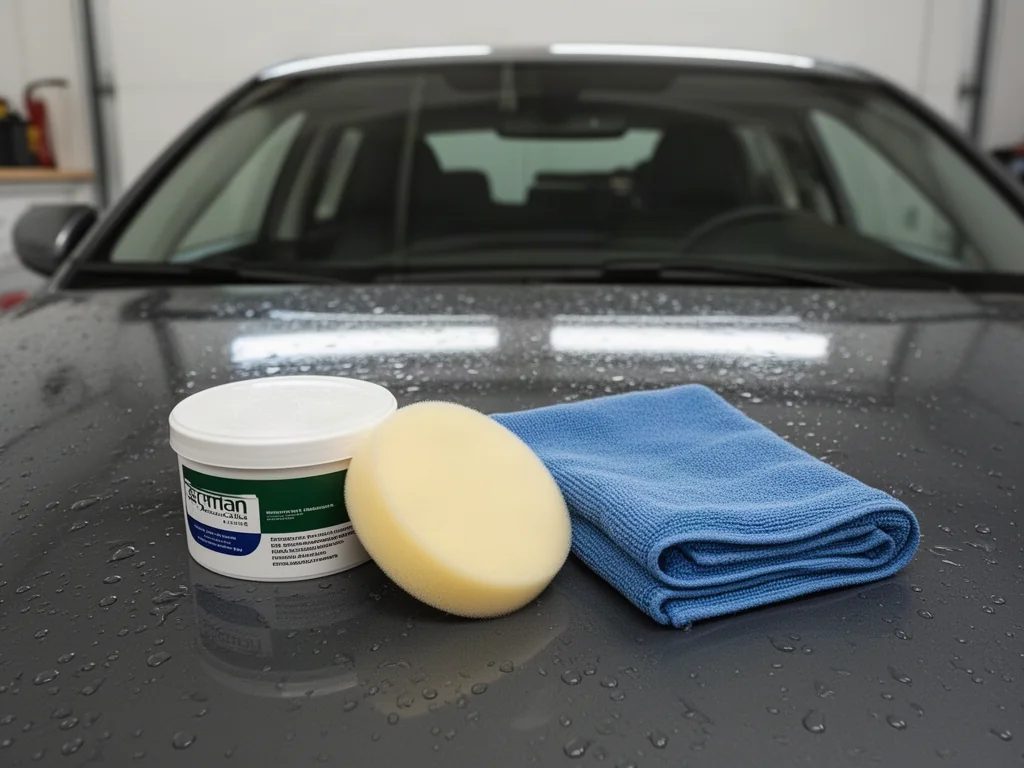
Shoppers looking for vegan car wax want more than a marketing label. They want to know which wax ingredients come from animals, what actually makes a formula vegan, and how plant-based and synthetic options compare for shine and paint protection. Origin of the wax is only one part of the story. Carriers, additives, and testing claims all matter, and appearance results still depend on how the product is used on the vehicle.
What Makes a Car Wax Vegan?
A vegan car wax is defined by what is missing from the finished product, not by a single plant ingredient on the front of the bottle. The claim means the formulation contains no animal-derived ingredients, including waxes, fatty acids, emulsifiers, colorants, and other additives mixed into the paste or liquid. Checking only the headline wax is not enough, because a plant wax can sit in a formula that still uses animal-sourced processing aids or fillers. Vegan status is a whole-product question, covering every disclosed and undisclosed component the manufacturer includes.
Plant-based describes where an ingredient comes from, not whether the entire wax is vegan. A product built around carnauba can still fail a vegan check if another component is animal-derived, so plant origin and vegan formulation are related ideas, not the same claim. Cruelty-free labeling is a separate issue about animal testing rather than ingredient source. A formula can be vegan and still lack a testing claim, or carry a cruelty-free statement while using beeswax. Shoppers who want both usually need confirmation of ingredient origin and of the manufacturer's testing policy.
Ingredients That Need an Origin Check
Beeswax is an animal-derived ingredient, produced by honey bees and used in some automotive waxes for body, slip, and film character. Carnauba wax is a plant wax obtained from palm leaves, so its origin is botanical rather than animal. Seeing carnauba on a label does not automatically make the rest of the formula vegan, and seeing an unfamiliar chemical name does not, by itself, prove an animal source. Not every car wax contains beeswax or carnauba. The point of an origin check is to identify the ingredients that actually appear in that product.
Names such as stearic acid and glycerin describe chemistry, not feedstock. Those materials can be made from plant oils, animal fats, or mixed streams, so the ingredient name alone cannot establish vegan status. Fragrances, processing aids, and other incompletely disclosed additives create the same problem, because a short label may hide a blend whose sources are not listed. When the origin is unclear, a manufacturer inquiry is the practical next step. Treat that as a sourcing question, not as a suspicion that every unlabeled chemical is animal-derived.
Plant Waxes and Synthetic Ingredients in the Formula
Plant waxes such as carnauba contribute to the thin film that remains after solvents flash off and the residue is buffed. That film can add depth of color, a slicker feel, and a barrier that sheds light contamination more readily than bare clear coat. A usable product still needs carriers, emulsifiers, and related additives so the wax spreads, levels, and wipes without tearing. Those supporting ingredients do not replace the protective film, but they determine whether the wax is a paste, cream, or spray and how easily it can be applied by hand.
Synthetic ingredients can be fully compatible with a vegan formulation when they are not made from animal feedstocks and no animal-derived additives ride along. A synthetic wax or paint sealant label still does not verify the complete product, because the bottle may also contain natural waxes, oils, or undisclosed aids. Many products marketed as wax are blends: plant waxes for appearance, plus synthetic protective ingredients that change hardness, water behavior, or application window. Read the formula as a system. The marketing word wax describes a category of film-forming products, not a single pure substance.
What Shine and Protection Claims Actually Tell You
Shine and protection claims often bundle several different user experiences. Gloss is how much light the finish reflects after buffing. Surface slickness is how the paint feels under a microfiber and how dust or a wash mitt slides. Water beading is the way droplets form and roll, which can make routine cleaning easier but is not the same as hardness or chip resistance. Paint protection, in this context, usually means a sacrificial film that reduces some environmental contact with the clear coat. Those effects can appear together or separately depending on the formula and how it is applied.
Ingredient origin alone cannot establish how long a wax lasts or how much protection it provides. A vegan car wax and a conventional wax can both look glossy on day one; durability depends on the complete formulation, film thickness, and application quality. Paint preparation, weather exposure, washing habits, and storage conditions all change results, so no fixed lifespan should be assumed from a label. Water beading is an observation of surface energy, not proof of comprehensive protection. Wax does not prevent stone chips, stop scratches from grit, or repair existing paint damage.
How to Check a Product Before Buying and Applying It
Before buying, look for a clear vegan statement that covers the finished formula, not only a plant wax callout. If stearic acid, glycerin, fragrance, or other dual-source materials are listed, ask the manufacturer which feedstocks they use and whether processing aids are included in the vegan claim. Safety data sheets describe hazards for handling and transport. They often omit fragrance components and low-level additives, and they are not written to prove vegan status. An SDS can tell you about irritants and flammability; it cannot independently confirm that no animal-derived ingredients are present.
Treat environmental marketing separately from vegan claims. Vegan status does not establish biodegradability, low environmental impact, or freedom from hazardous ingredients, and a plant-based story does not replace checking solvents, warnings, and disposal directions. Also confirm the product is suitable for the vehicle's finish. Matte paint, vinyl wraps, and existing coatings can react poorly to some waxes or sealants, so the label's use statement matters as much as the vegan claim. Follow the maker's application and handling directions, including surface prep, dwell, and buffing, rather than improvising a thicker film for more shine.