Vauxhall Insignia 2.0 CDTI Engine Oil: Which Specification It Needs
The short answer
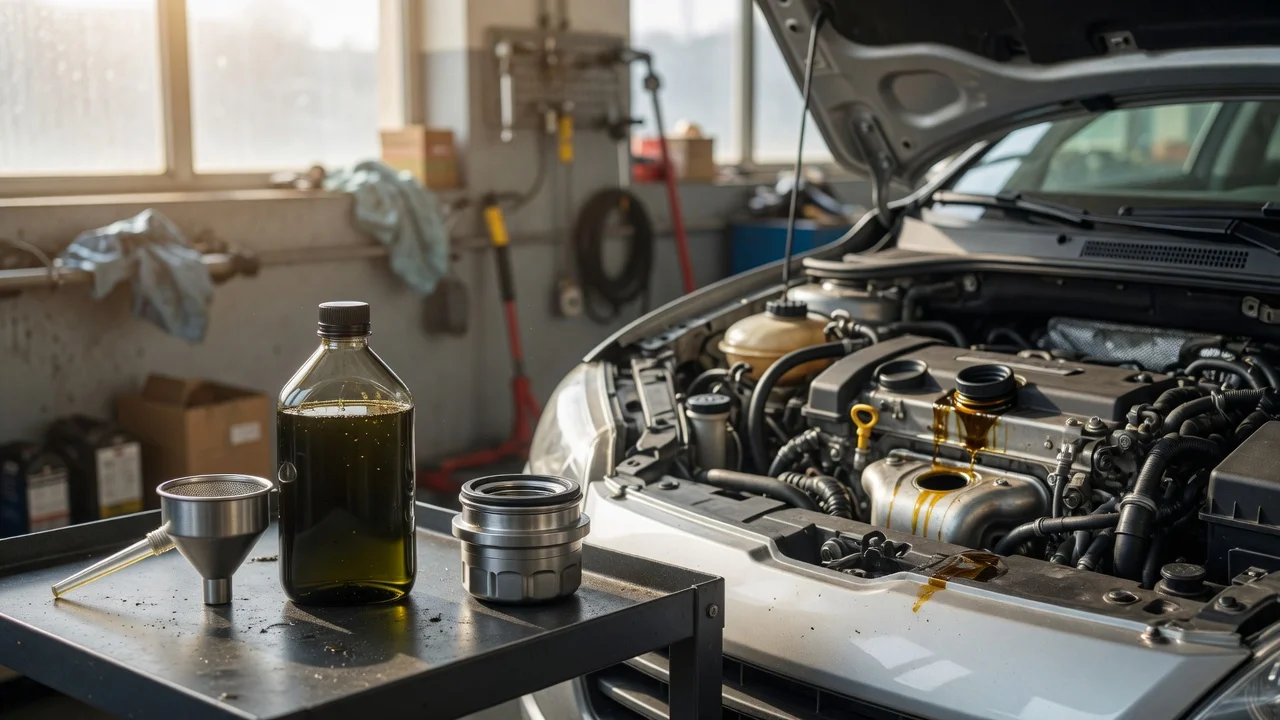
For the Vauxhall Insignia 2.0 CDTI diesel, the commonly cited requirement is a fully synthetic SAE 5W-30 oil approved to the GM dexos2 standard. The approval matters more than the brand. A bottle labelled 5W-30 is not automatically suitable. It should state that it carries dexos2 approval, usually shown with a licence number or the dexos2 logo.
Treat this as the general rule, not a guarantee for every car. Model year, engine code and market can change the exact recommendation. The owner's handbook, the service book or a Vauxhall dealer looking up your vehicle identification number (VIN) is the final authority.
Which cars this applies to
The 2.0 CDTI name is mainly associated with the first-generation Insignia, sold from 2008 until it was replaced in 2017. During that period the 2.0-litre diesel was offered in several power outputs and engine codes, including a twin-turbo version and, later, an updated diesel. Each version can have slightly different service data.
The second-generation Insignia, sold from 2017, generally uses Turbo D badging rather than CDTI. If your car is a later model, check its own handbook rather than assuming the first-generation guidance applies.
What the oil terms mean
SAE 5W-30: the viscosity grade. The '5W' describes how readily the oil flows when cold, and '30' describes its thickness at normal operating temperature. GM dexos2: General Motors' own approval standard for oils used in its diesel and many petrol engines. It is the specification Vauxhall references for this engine. Low-SAPS: oil with reduced sulphated ash, phosphorus and sulphur. Diesel engines fitted with a diesel particulate filter (DPF) need this type of oil, because high-ash oil can contribute to the filter clogging over time. dexos2 is a low-SAPS specification. ACEA C3: a European low-SAPS oil category. dexos2 oils generally also meet ACEA C3, but a C3 rating alone does not mean the oil carries dexos2 approval.
Why the specification matters on this diesel
Insignia 2.0 CDTI models with a DPF rely on low-ash oil to help protect the filter. Using a non-approved or high-ash oil may not cause an immediate fault. Over time, though, it can work against the filter and the engine's emissions equipment. Using the approved oil also gives you a clearer service record if a warranty question or engine issue comes up later.
Some owners use oils that list dexos2 alongside other manufacturer approvals on the same bottle. This is fine as long as dexos2 is explicitly listed. Wording such as 'suitable for' or 'meets the requirements of' is weaker than a formal approval, so check the label carefully.
What this guide does not confirm
Oil capacity, service intervals and any alternative viscosity grades permitted in particular markets are not confirmed here. These figures vary by engine code, model year and whether the filter is changed. Do not use a single quoted figure for every Insignia 2.0 CDTI. Take the capacity from your handbook or the dealer's service data. When refilling, add oil gradually and check the dipstick rather than pouring in a fixed amount.
What to do next
Confirm your engine code and model year from the V5C registration document, the handbook or a dealer VIN check. Check the handbook's oil section for the approved specification and capacity. Buy a fully synthetic 5W-30 oil whose label explicitly states GM dexos2 approval, unless your handbook says otherwise. Change the oil filter at the same time as the oil, and check the level on the dipstick after the engine has run and then stood for a few minutes.