Used EV Batteries: Buying, Second-Life Uses, and Waste
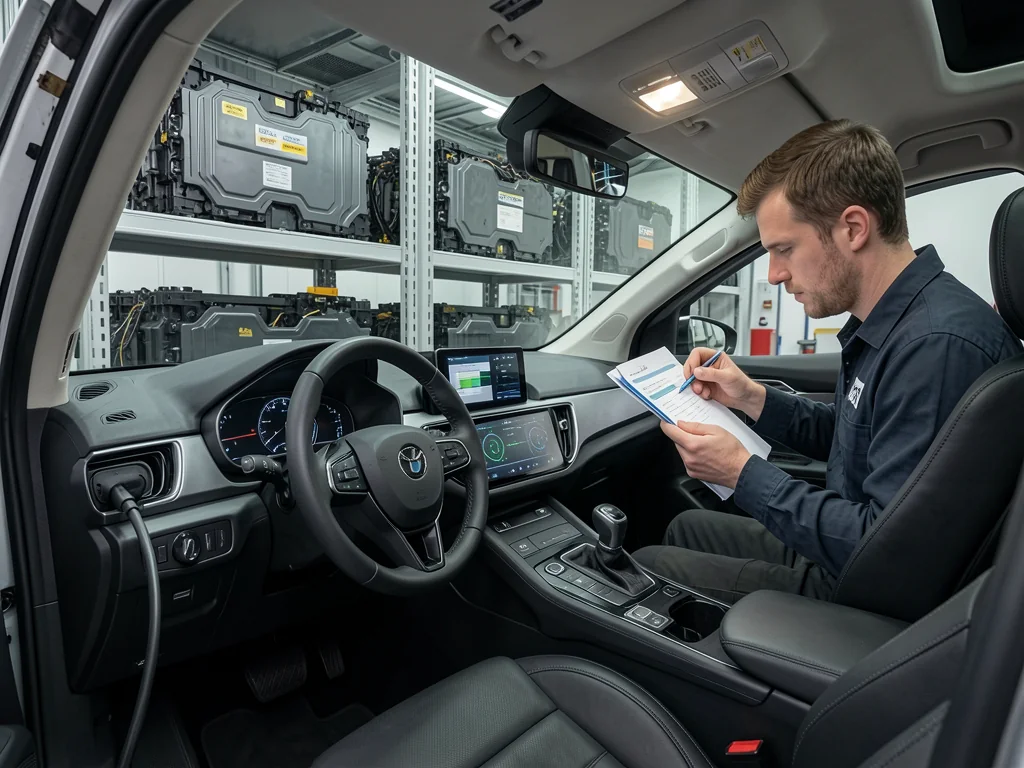
A used EV battery can follow several paths once its first vehicle no longer needs it: another car, a stationary storage project, or a recycling stream. Buyers face similar questions whether they are shopping for a replacement pack or a secondhand EV with some degradation. Understanding condition evidence, documentation, and responsible disposal helps separate a sound purchase from avoidable risk and unnecessary EV battery waste.
What Happens to an EV Battery After Vehicle Use
When a battery leaves the vehicle it powered, its next destination depends on assessment, not age alone. A pack with enough capacity and no physical damage may return to vehicle service as a replacement or refurbished unit. A pack that no longer meets automotive demands but still holds a meaningful charge may go into a professionally managed second-life energy storage project. Packs that are damaged, inconsistent, or too depleted to justify reuse usually move toward battery recycling, where the goal changes from delivering energy to recovering valuable materials.
Several factors shape that decision. Remaining usable battery capacity matters, and so do the pack's physical condition, any evidence of impacts or fluid intrusion, its operating history, and whether its cell groups perform evenly. Documentation such as battery service history and earlier test data makes the evaluation faster and more trustworthy. Removing a battery from a car proves nothing about its condition. A pulled pack may be usable, unsafe, or ready for recycling, and only qualified testing can establish which of these applies.
What to Verify Before Buying a Used EV Battery Pack
Buying a used EV battery pack as a replacement starts with paperwork. Request the pack identification details, the donor vehicle's history including any collision records, recent test results, and information about how and where the pack was stored after removal. Long storage at a very low charge or in extreme temperatures can affect condition. Get the seller's warranty or return terms in writing. Before paying, have a qualified installer confirm that the pack fits your vehicle, that any required software or programming is available, and that installation is feasible.
A seller's capacity figure alone cannot establish pack condition or reliability, because the method, date, and conditions behind that number are often unknown. Your budget should also cover transport, pre-installation testing, labor, programming, and proper handling of the pack being removed, which is also high-voltage equipment. Treat missing provenance, undisclosed damage, reluctance to share records, or pressure to buy without inspection as reasons to pause. A reputable seller should welcome verification rather than resist it, since independent confirmation protects both sides of the transaction.
Buying a Used EV With Battery Degradation
A used EV with battery degradation can still be a sensible purchase if its reduced usable capacity easily covers your needs. Consider your longest regular trips, whether you can charge at home or at work, and seasonal weather, since cold conditions can further shorten practical range. Review the battery service history and arrange a battery assessment suited to that vehicle before committing. The displayed range estimate and a single test drive cannot establish battery health, because temperature, driving style, terrain, and the previous driver's recent use all affect what you observe.
Check any remaining battery warranty coverage carefully. Confirm whether the coverage transfers to a new owner, what exclusions apply, and how the capacity threshold is defined and measured under the applicable terms. Warranty details vary by manufacturer and model year, so rely on official documentation rather than a seller's summary. When condition evidence is incomplete, budget for uncertainty. That does not mean assuming the pack will need replacement. It means pricing the vehicle to reflect what cannot yet be confirmed and keeping a reserve for further evaluation if needed.
What Battery Health Reports Can Tell a Buyer
Battery state of health is an estimate of how a battery's current capability compares with a reference condition, and it is often expressed as a percentage. Usable capacity is the energy the vehicle can actually draw on. Reporting methods and reference values differ between tools and manufacturers, so two reports on the same battery may not match. A useful report should identify the test method, the date, relevant conditions such as temperature and charge level, and the specific battery tested, ideally by vehicle or pack identification.
Warning messages, repeated charging interruptions, or unexplained changes in range call for professional diagnosis. Any stored fault codes are evidence to interpret alongside other data, not proof that a particular component has failed, and many battery-related codes are manufacturer-specific and need vehicle-specific confirmation. Buyers should also understand the limits of a health estimate. It cannot certify that the battery is electrically safe, and it cannot predict an exact remaining service life, because future degradation depends on usage, climate, and charging habits.
How Second-Life Battery Projects Work
Second-life energy storage gives batteries a stationary role after their time in a vehicle. Typical uses include storing solar energy for later or providing backup power. In these roles, lower power demands and controlled conditions can suit batteries that are no longer ideal for driving. These installations are professionally engineered systems. Whether a battery is suitable depends on the assessed condition of its modules, how consistently they perform relative to one another, appropriate battery management controls, a proper enclosure design, and compliance with applicable electrical and fire safety requirements.
Battery reuse therefore requires specialist evaluation and integration. A pack removed from a car is not a ready-to-use home storage product, and connecting one outside an engineered system creates serious electrical and fire risks. Not every battery is a good candidate. Some go directly to recycling because uneven module performance, damage, or chemistry makes reuse technically unsuitable. Others go because testing, reconfiguration, and certification would cost more than the storage value they could deliver. In those cases, recycling is a practical outcome, not a failure.
EV Battery Waste and Responsible Disposal
EV battery waste is handled through a chain of collection, assessment, transport, and recycling. Once a battery cannot be reused, recyclers use mechanical, thermal, or chemical processes to recover valuable metals and other components. Recovery rates vary by process and material, and not every substance is reclaimed. Collection and processing capacity is also uneven: it differs between regions and is still developing in many areas. Owners should not assume that a convenient local option exists without checking first, especially for older or less common battery chemistries.
Waste concerns include damaged packs that may be unstable, poor storage conditions that raise fire risk, demanding transport requirements for high-voltage batteries, and gaps in collection infrastructure. Owners should never open, dismantle, discharge, or transport a pack themselves. Damaged high-voltage batteries need specialist handling and must not go into household waste. Contact the vehicle manufacturer, a qualified service provider, or an authorized battery recycler to arrange handling that fits local rules. These professionals can explain collection options, documentation needs, and the regulations that apply where you live.