Used Car Test Drive Checklist: What to Check, Ask and Do
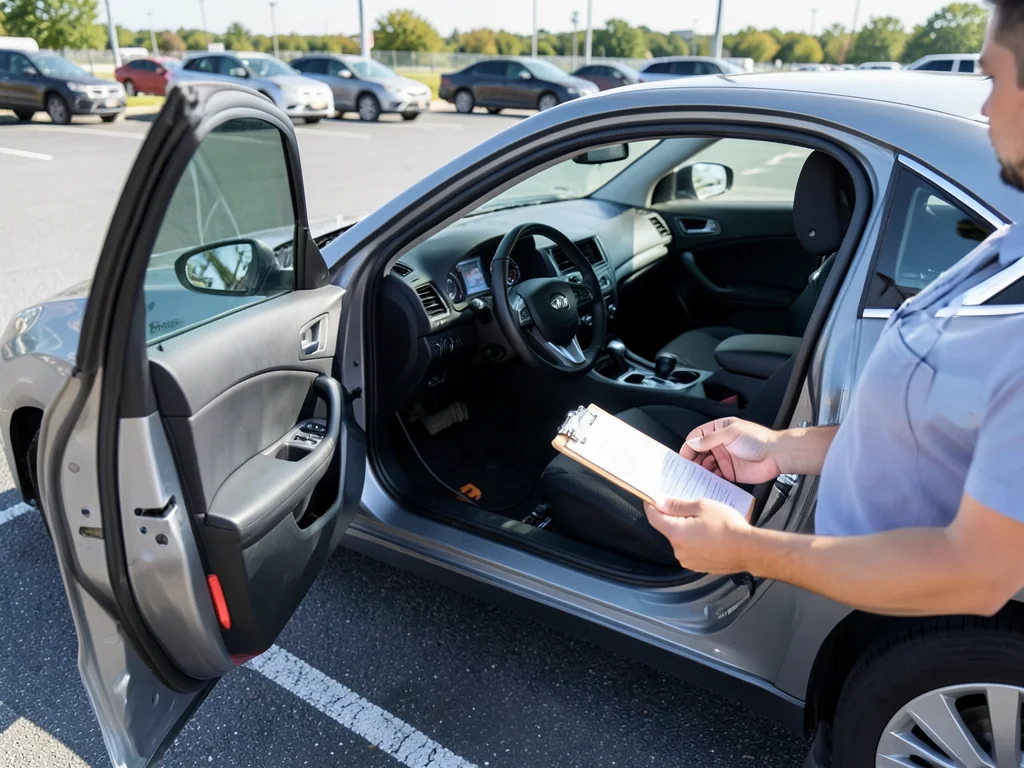
A used-car test drive is a structured chance to look, listen, and feel before money changes hands. A practical checklist helps you know what to do, what to check, and what to ask the seller, whether the car is at a dealership or a private sale. Plan the appointment, drive a realistic route, and treat every observation as information for a later inspection rather than a final verdict.
Plan the Route and Bring a Usable Checklist
A usable checklist for test driving a used car works better when it is split into parked checks, driving observations, and a final review, with space to record symptoms and unanswered questions. Arrange a daylight appointment and, when practical, ask that the engine be left cold so a cold start can be observed rather than a warmed-up idle. Agree on a legal test drive route that includes ordinary stops, turns, and suitable road speeds. Skip aggressive maneuvers; they can hide the ordinary behavior you need to notice.
Bring a valid license, and bring a companion if another pair of eyes will help with notes. Tips for test driving a used car often start with this quiet setup. Before the car moves, adjust the seat and mirrors and learn the basic controls so you are not hunting for wipers, lights, or climate settings in traffic. You cannot judge steering feel, brake pedal feel, or transmission shifting if you are still getting oriented. Write down anything you cannot confirm on the spot so the later review rests on recorded details rather than memory.
Set Clear Ground Rules for a Private-Sale Test Drive
A private-sale test drive calls for extra ground rules because there is no dealership lot or staff process to fall back on. Meet in a public place, share the appointment details with someone you trust, and agree who will accompany the drive. Check that the seller's identity and ownership documents are consistent, and ask for an explanation of any discrepancy before you proceed. If names, titles, or registration details do not line up, pause rather than step into an unclear ownership situation. Those checks matter as much as the drive itself when you are test driving a private sale car.
Confirm permission to drive, any license requirements, and applicable insurance coverage, and do not assume that your policy or the seller's policy automatically covers a private-sale outing. Coverage varies by insurer and by who is listed on the vehicle, so the only safe approach is to confirm it rather than guess. Agree on the route and the return arrangements before you leave. Avoid handing over payment or signing a purchase commitment merely to obtain a test drive; those steps belong after you have driven, asked questions, and decided whether a pre-purchase inspection is still warranted.
Ask the Seller About History, Symptoms, and Inspection Access
Questions to ask when test driving a used car should start with ownership history, not a sales pitch. Ask how long the seller has owned the car, how it has been used, and why it is being sold. Request service records and ask about known faults, dashboard warning lights, fluid loss, collision repairs, and outstanding repair recommendations. Also ask whether starting, shifting, or braking problems appear only when the engine is cold, after a long highway run, or in wet weather, because those conditions may not show up on a short loop.
Record the answers so a later inspector can compare claims with what the car actually does. Things to ask when test driving a car are not limited to past repairs; confirm whether an independent pre-purchase inspection is welcome and whether any existing warranty claims can be supported with documents. If the seller resists a third-party look or cannot produce paperwork that matches the story, treat that as information about the sale, not just about the vehicle. A plausible verbal explanation does not replace records you can take with you.
Check the Parked Car and Observe Startup
What to check when test driving a used car begins while it is still parked. Walk around and look for visible tire damage, uneven wear, damaged lights, and fresh fluid beneath the car without crawling underneath. Check seat belts, visibility, windows, locks, climate controls, and other everyday features from the driver's seat. Also note mismatched panels or tires that look recently swapped onto older wheels; those observations belong on the checklist as inspection notes, not as proof of a particular repair history.
Observe dashboard indicators during startup and note lights that remain on after the self-check; use the vehicle's owner's manual to establish their meaning rather than guessing. A remaining warning light is evidence to interpret, not proof that a named part has failed, and manufacturer-dependent messages need vehicle-specific confirmation. Listen for persistent unusual sounds and note shaking, odors, or visible smoke, remembering that those observations cannot establish a diagnosis. Do not begin the drive if there are apparent tire, brake, steering, or other immediate safety concerns.
Notice Braking, Steering, Power Delivery, and Ride on the Road
What to look for when test driving a used car on the road is ordinary behavior, not a demonstration of limits. Use gentle acceleration and legal speeds to notice hesitation, unusual vibration, and inconsistent power delivery. During routine stops, note brake pedal feel, pulling, vibration, and unusual noises without performing emergency-braking tests. Keep both hands in control and notice steering feel, wandering, and noises during normal turns, while remembering that road surfaces can change those sensations from one block to the next.
Observe transmission shifting and suspension sounds during normal driving without deliberately hitting potholes or stressing the vehicle. Have a passenger record observations, or wait until you are parked so you are not writing while moving. What to check for when test driving a car on the road includes whether the idle changes after a stop, whether the car tracks straight on a level street, and whether any dashboard warning lights appear only after the engine warms. Stop safely if serious warning lights, overheating, smoke, or a loss of control develops.
Assess a Manual Car Within Your Driving Ability
Test driving a manual car for the first time should not mean teaching yourself clutch control in someone else's vehicle. If you are unfamiliar with a manual transmission, arrange for an experienced licensed driver with confirmed permission and coverage to conduct the drive. Test driving a manual car still benefits from your presence: you can listen, watch engagement, and ask what the driver feels. With sufficient experience of your own, observe clutch pedal operation, clutch engagement during normal starts, and shifter movement during ordinary gear changes rather than trying to prove how the gearbox behaves at its limits.
Record repeated grinding, difficult gear selection, shudder, or engine speed rising without matching acceleration. Technique and mechanical faults can both produce those sensations, so a single missed shift is not a diagnosis. Clutch engagement position alone does not establish clutch condition or remaining life; a high or low bite point is a note, not a remaining-life figure. Exclude deliberate stall tests, high-gear acceleration tests, clutch riding, and forced shifts. Uncertain clutch or gearbox behavior belongs with a professional assessment, not with experiments on a public road.
Review the Car After the Drive and Decide What Needs Testing
After the drive, park safely and note new warning lights, smells, visible leaks, or changes in idle. Keep clear of hot components and never open a hot coolant cap. Record each concern with the conditions in which it appeared, such as speed, braking, turning, or engine temperature, because a later shop visit is far more useful when those details travel with the car. Ask the seller about observed symptoms and retain unresolved questions even if the explanation sounds plausible; what to do when test driving a used car includes capturing that conversation rather than accepting it as closed.
Arrange an independent pre-purchase inspection to investigate concerns and to assess areas a short drive cannot establish, including hidden damage and intermittent faults. Things to do when test driving a used car end with a decision, not with a handshake in the parking lot. Pause or walk away when safety issues remain unresolved, ownership information is inconsistent, the seller presses for an immediate purchase, or an independent inspection is refused. A checklist for test driving a used car is useful only if you let the unanswered items, not the seller's urgency, set the next step.