United Propane Gas Locations: Finding a Branch for LPG Refueling Inquiries
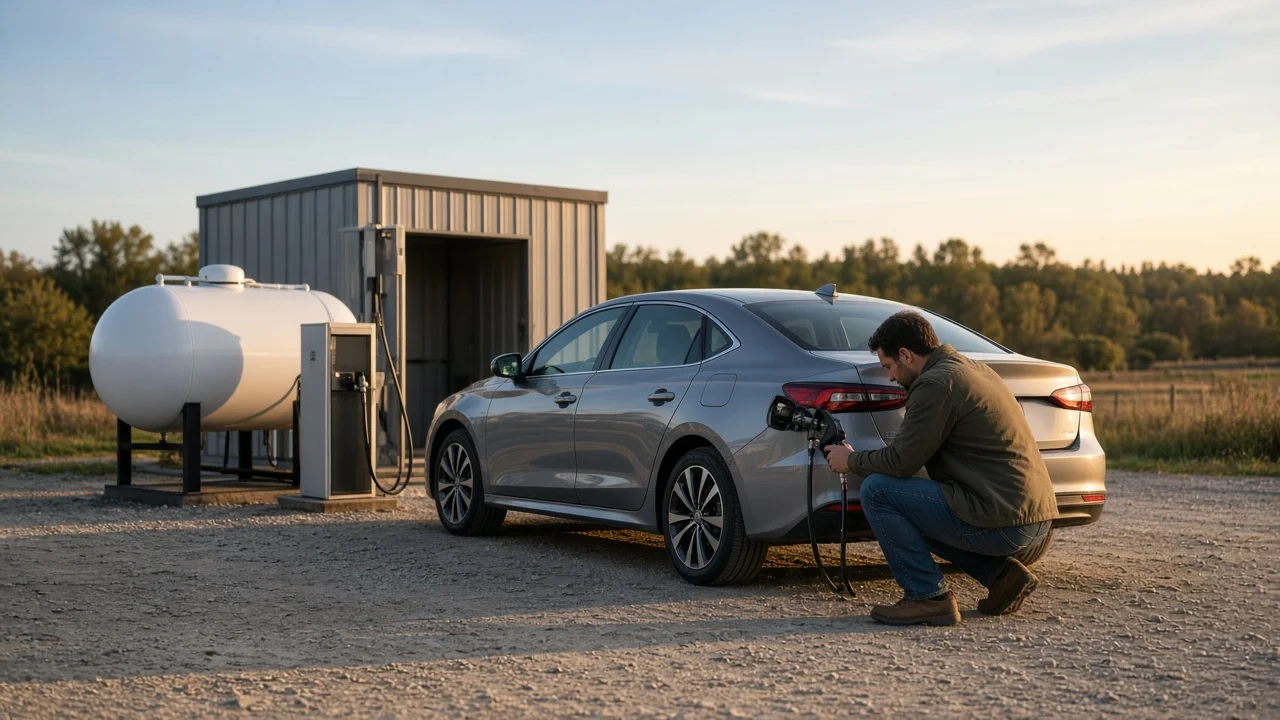
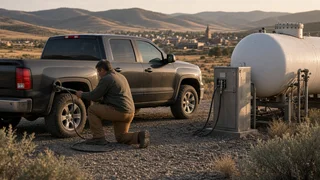
If you are searching for United Propane Gas locations because you drive a propane-powered vehicle or plan to convert one, the short answer is this: a propane distributor's branch is not automatically a public vehicle refueling station. Some propane suppliers operate autogas dispensers that drivers can use, some fill vehicle tanks only for fleet or account customers, and some focus on home heating, agricultural and commercial delivery with cylinder filling on the side. Before relying on any branch for your car, truck or van, confirm that the specific location offers vehicle LPG fills and that its hours and equipment suit your vehicle. This guide explains how to locate a branch, what kinds of service a propane location typically provides, how that differs from a dedicated autogas station, and which questions to ask before you go. It does not list addresses, phone numbers, prices or hours, because those details change and no confirmed data was available for this article. Treat the company's own current listings as the authority on where its branches are and what each one does.
What a propane supplier location usually is
Regional propane companies in the US generally run a network of branch offices and storage facilities, often called bulk plants. These sites store propane in large tanks and dispatch delivery trucks to homes, farms and businesses. Many also fill portable cylinders for grills, forklifts and other equipment. Whether a given site also has a vehicle dispenser depends on the company's business focus, local demand and how that facility is set up.
Because of that variation, a map pin showing a propane company does not tell you whether you can pull up and refuel a vehicle. The difference between a delivery depot and a refueling point is the most important qualification for anyone searching with a vehicle in mind.
Type of site | What it typically offers | Relevance to LPG vehicle owners; Branch office or bulk plant | Storage, delivery dispatch, account service, sometimes cylinder filling | May or may not have a vehicle dispenser; must be confirmed; Public autogas dispenser | Metered propane fills for vehicles through a dedicated nozzle | Directly useful if the connector and hours fit your needs; Fleet or card-access dispenser | Vehicle fills for contracted or account customers | Useful only if you set up an account; Cylinder exchange or refill counter | Portable tank swaps or refills | Not a substitute for filling a vehicle's permanently mounted tank
LPG versus CNG: what a propane company can supply
LPG (liquefied petroleum gas), sold in the US mainly as propane and called autogas when used as road fuel, is a different fuel from CNG (compressed natural gas). LPG is stored as a liquid under moderate pressure, while CNG is methane compressed to much higher pressure and requires entirely different tanks, fittings and station equipment. A propane distributor supplies LPG, not CNG. If your vehicle runs on CNG, a propane company location will not be able to refuel it, and you should look for natural gas stations instead.
How to find the nearest branch
The most reliable starting point is the company's own location directory or branch finder, since third-party listings can lag behind openings, closures and service changes. Map apps are convenient for routing, but their business details are not always current, so use them to navigate rather than to confirm services.
Search the company name together with your town or region in a map app, then check that the result matches the company's own listing. If a branch finder asks to use your location, allowing location permissions lets it sort results by distance; you can decline and enter a ZIP code or city instead. Check position accuracy in your device settings if results look wrong. Precise location on a phone usually relies on GPS plus Wi-Fi and cellular signals, and turning off precise location or being indoors can place you some distance from your true position. For rural branches where map data may be sparse or a street address resolves poorly, coordinates from the official listing, if provided, can be entered directly into most navigation apps. Review the route information before setting off, especially if you are towing, driving a large vehicle or heading to an industrial site with restricted access roads.
What to confirm before driving in
A short call or message to the specific branch can save a wasted trip. These are the questions that matter most for a vehicle owner:
Does this location fill vehicle-mounted propane tanks, or only portable cylinders? Is the dispenser open to the public, or limited to account and fleet customers? What are the hours for vehicle fills, and are they attended or self-service? What nozzle or connector does the dispenser use? In the US, the ACME-style connector is common for autogas, but some vehicles or imported conversions use other fittings that need an adapter. Which payment methods are accepted at the dispenser? Are there access restrictions for larger vehicles, trailers or after-hours arrivals?
Vehicle tank versus portable cylinder filling
Filling a vehicle's permanently mounted autogas tank is not the same as filling a portable cylinder. Vehicle systems are designed to stop filling automatically at a safe level, leaving vapor space so the liquid can expand with temperature; propane containers are commonly filled to around 80 percent of capacity for this reason. Portable cylinders follow their own rules and valve requirements. A counter that refills grill or forklift cylinders may not have the dispenser, connector or procedures needed for a vehicle tank, which is another reason to ask before you arrive.
If the branch does not offer vehicle fills
A propane company without a public dispenser can still be useful. Branch staff often know where the nearest autogas dispensers are in their area, and some companies install or supply on-site fueling for fleets that run propane vehicles. Alternative fuel station locators maintained for US drivers also list propane dispensers and let you filter by fuel type, which helps when planning a route through areas with few stations. Whatever source you use, verify hours and public access directly, since station details can change faster than directories are updated.
Bottom line
Finding United Propane Gas locations is the easy part; the real question for an LPG vehicle owner is whether a particular branch can fill a vehicle tank, when, and with what connector. Use the company's own listings to identify branches, use map apps for directions, and confirm vehicle refueling service with the branch itself before relying on it. If you drive a CNG vehicle, look elsewhere, as propane suppliers handle LPG only.