U0672 Code: Meaning, Symptoms and Diagnosis
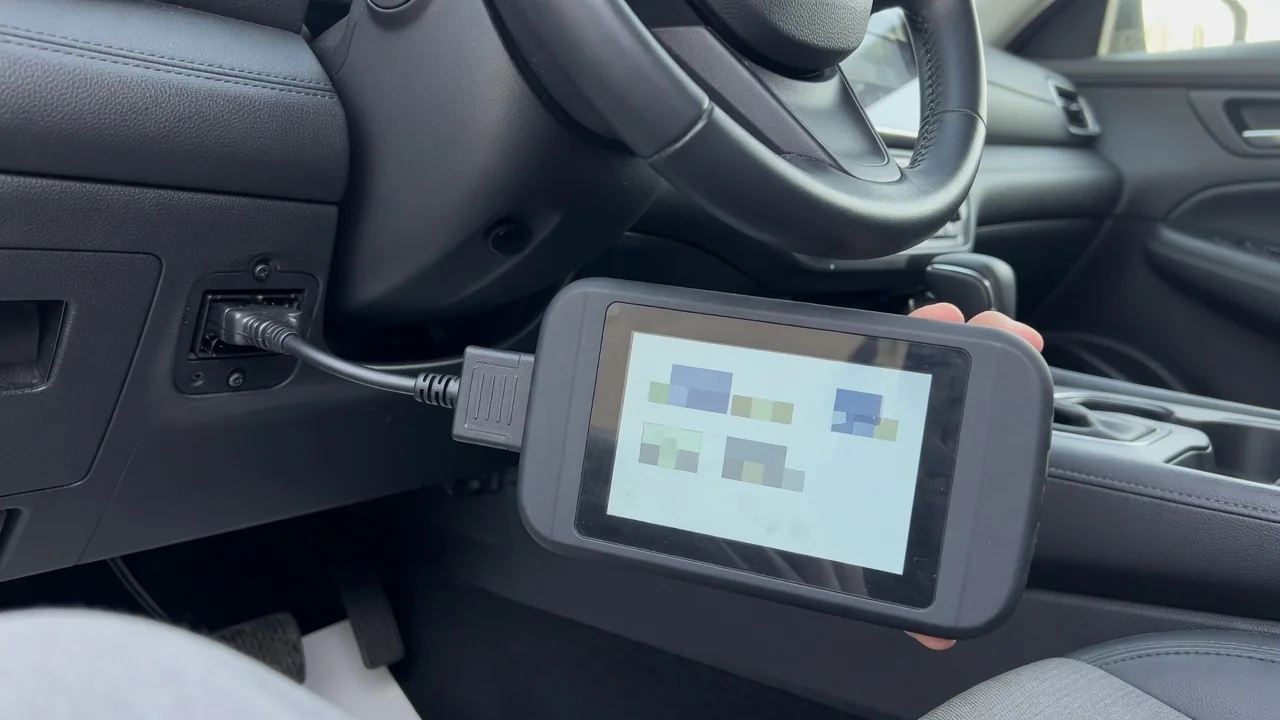
A U0672 code is a network communication fault stored when one control module expects messages from another module but stops receiving valid data. U-codes describe lost communication rather than a single broken part, so the exact module label depends on the vehicle’s manufacturer configuration. Drivers may notice warning lights, feature failures, or no symptom at all. Interpreting U0672 requires scanning the network and checking the wiring, power, and module status before replacing components.
What the U0672 Code Tells You About Network Communication
U-prefix diagnostic trouble codes cover the vehicle’s data network, often CAN bus, where modules exchange status and command messages. U0672 indicates one module reported a communication problem with another, but the code alone does not name the faulty module on every model. Because vehicle networks use different module addresses and message assignments, the exact meaning of U0672 varies by manufacturer and platform.
The module that stores the code is often reporting a lost partner, not failing itself. The fault could be in the missing module, its power or ground, the wiring between them, or a network interruption. Treating U0672 as a communication path issue prevents unnecessary module replacement and directs attention to the shared electrical and data connections that link all control units.
How to Confirm Which Module U0672 Refers to on Your Vehicle
Start by recording the exact code, any sub-code or status byte, and which module stored the fault, along with freeze frame data. A generic code reader may display only a basic or missing description, so an enhanced scan tool that reads manufacturer-specific data is essential for U-codes. Note the vehicle’s make, model, year, engine, and trim because module definitions change between platforms.
Distinguish between current, pending, and history codes. A current code means the communication fault is present at the moment, while a pending code may need another drive cycle to confirm. A history code indicates an intermittent problem that has not recurred recently. Knowing this helps decide whether the issue is active or whether careful monitoring and condition logging are needed before deeper testing.
Symptoms That May Appear With U0672
Symptoms with U0672 connect to the features managed by the module that lost communication. Warning lights, message center alerts, dead gauges, inoperative climate controls, or failed driver assistance functions can all appear, depending on the network partner involved. On one vehicle the code may only disable a convenience feature; on another it could affect body functions or instrument cluster warnings.
Because many modules share the same network, several U-codes appearing together often point to a shared power, ground, or bus wiring problem rather than multiple failed modules. A single missing module usually sets one communication code, while a network-wide interruption or low voltage may set codes for many modules at once. That pattern helps direct testing toward the bus backbone, a common connector, or battery and charging system health.
Possible Causes of a U0672 Communication Fault
Low battery voltage or charging system problems are frequent triggers for U-codes because modules may drop offline when supply voltage falls below their operating threshold. A weak battery, loose terminal, or failing alternator can create brief communication gaps that log U0672 and other network faults. Checking battery state of charge and charging output is a basic first step in any communication fault diagnosis.
Wiring and connector issues such as corrosion, loose terminals, water intrusion, or chafed harnesses can interrupt the data lines or module power. Blown fuses, poor grounds, or damaged pins also prevent a module from responding. Internal module faults or software issues are possible, but only after power, ground, and network continuity are verified. Recent repairs, accessory installation, collision damage, or battery replacement can be relevant history because these events disturb wiring and connectors.
Safe Checks You Can Do Before Visiting a Shop
Before visiting a shop, perform visual checks only. Look for obvious battery terminal corrosion, loose or damaged wires near modules, and disturbed connectors after any recent work. Do not unplug connectors or probe terminals, especially on airbag-related or high-voltage components. Simply noting the physical condition and any damaged insulation or signs of water entry can guide the technician.
Pay attention to when the fault occurs: at startup, in wet weather, over bumps, or after a specific action like adjusting the seat or closing a door. Intermittent communication faults often correlate with movement or moisture. Have the battery tested or perform a proper battery and charging system check, because weak voltage can create false network codes. Avoid clearing codes repeatedly to hide the problem, as that erases useful freeze frame data and delays correct diagnosis.
How Technicians Diagnose U0672
Technicians begin with a network-level scan to see which modules respond and which do not. The scan tool requests data from every module on the bus, and any missing response helps narrow the area. They then check module power, ground, and network wiring integrity using manufacturer procedures and proper test equipment, often checking bus resistance and voltage levels to find open or shorted lines.
Manufacturer technical service information or software updates may address known communication glitches, so technicians check for relevant service documentation. If a module is found faulty, replacement may require programming or configuration to match the vehicle. This step follows a confirmed diagnosis based on wiring tests and communication data, not just the presence of U0672.
Is It Safe to Drive With U0672 and When to Get Help
Driveability and safety impact depend on which module is affected on that specific vehicle. If U0672 accompanies warning lights for brakes, steering, stability control, or airbag systems, have the vehicle inspected promptly because those systems may not function correctly. A communication fault in a body module might only cause minor inconvenience, while one in a chassis control module could affect vehicle stability.
If the code returns after clearing, proper diagnosis is needed rather than repeated resets. Clearing codes deletes freeze frame data and may mask a worsening problem. When visiting a repair shop, bring the complete code list, freeze frame information, symptom notes, and conditions when the fault occurs. This information helps the technician reproduce the issue and focus testing on the most likely network, power, or module failure.