U0645 Code: Meaning, Symptoms and Diagnosis
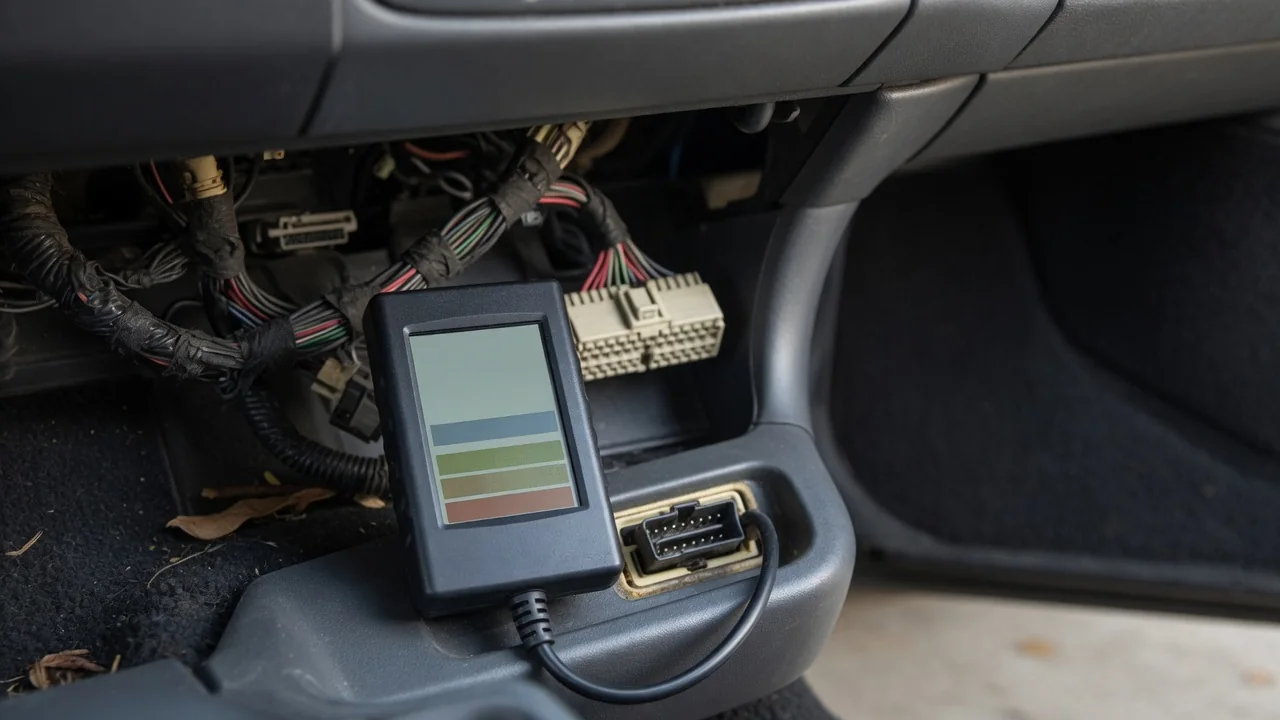
A U0645 code indicates a control module stopped receiving expected messages from another module over the vehicle’s data network. Unlike sensor faults, this is a communication breakdown, and the exact module named in the code varies by make, model, and year. Understanding what the code means, how networks carry data, and how to approach diagnosis can save time and prevent unnecessary parts replacement.
What the U0645 Code Means and Why the Module Definition Varies
U0645 belongs to the U-code family used for network communication faults. When one module expects to receive a message from another module on a regular schedule and that message does not arrive, it sets a lost communication code. The code identifies the source module that failed to respond, but the actual cause may be a wiring issue, power problem, or another fault.
The exact module named by U0645 depends on the vehicle’s network architecture and manufacturer definitions. For example, one automaker may use U0645 for lost communication with a suspension module, while another may define it for a body control module. Always confirm the vehicle-specific description using a scan tool that reads manufacturer codes or consult factory service information before interpreting the code.
How Vehicle Networks Carry Messages Between Modules
Modern vehicles use a network, often CAN bus, to let control modules share data. Modules transmit messages containing sensor values, commands, and status updates. When one module stops receiving a scheduled message from another, it can set a U-code. The network uses shared wiring, so a single break or short can affect communication between multiple modules.
The module that stores U0645 is the one detecting the missing message, not necessarily the one with the problem. If the sending module is unpowered, has a fault, or its wiring is damaged, it cannot transmit. Other modules on the same bus may also set codes, which is why a technician looks at the complete list of stored codes and network activity before condemning any module.
Symptoms Drivers May Notice With U0645
Symptoms with U0645 vary widely because they depend on which module is involved. If the code relates to a body control module, drivers might notice power windows, locks, or lighting behave oddly. If it involves a chassis module, ride control or stability warnings may appear. The instrument cluster may show a check engine light, ABS light, or other warning lamp.
Sometimes U0645 is stored with no noticeable symptoms, especially if the fault is intermittent. The communication may drop only under certain conditions, such as over bumps, in wet weather, or during startup. Keeping a log of when symptoms occur—time, temperature, road conditions, and recent work—can help a technician recreate and locate the fault faster.
Common Reasons a Module Stops Communicating
A common reason for lost communication is an electrical problem. Low battery voltage or a failing alternator can cause modules to reset or lose communication. Poor power or ground connections at a specific module can prevent it from operating. Damaged wiring, rubbed insulation, or corrosion inside connectors can interrupt the signal path between modules.
Water intrusion into connectors is another frequent cause, especially after heavy rain or pressure washing. Recent repairs or aftermarket installations can disturb wiring or pin connections. After a module is replaced, it may need programming or configuration, and if that is incomplete, communication can fail. Internal module failure is possible but should be confirmed through testing, not assumed first.
Safe Checks You Can Do Before Visiting a Shop
Before visiting a shop, use a scan tool to read every stored code and freeze-frame data. Note all U-codes and any other fault codes, because a pattern can point to a shared power or ground issue. Battery condition is critical—check voltage with a meter while the engine is off and running; a fully charged battery should read around 12.6 volts, and the charging system should produce about 13.5 to 14.5 volts.
A careful visual inspection can reveal obvious problems. Look for damaged wiring, loose connectors, or green corrosion at accessible module connectors. Do not probe airbag system connectors or randomly back-probe network wires, because this can cause damage or deploy a pyrotechnic device. Avoid repeatedly clearing codes; doing so erases freeze frame data and makes the diagnosis harder.
How a Technician Diagnoses U0645
A technician starts by confirming the manufacturer-specific definition of U0645 and checking which modules respond on the network. A professional scan tool can perform a network test to see what is communicating. Then they check power and ground circuits at the suspect module using wiring diagrams, and measure the CAN bus resistance and voltage to find opens or shorts.
They will also look for technical service bulletins or software updates for the affected modules, but only if they exist for that vehicle. Replacing a module without verifying power, ground, and wiring is expensive and often fails to fix the problem. If a module is replaced, it usually needs programming to match the vehicle, which requires dealer-level or advanced aftermarket tools.
Is It Safe to Drive With a U0645 Code?
Driving with U0645 can be safe in some conditions, but it depends on which module is offline. If the code affects a convenience module, the car may be drivable. However, if lost communication involves the ABS, airbag, steering, or stability control, those safety systems may not work, and a professional inspection should be done promptly.
Even if no symptoms are present, intermittent network faults can become worse or affect other modules. Treat U0645 as a sign that something in the communication system is not reliable. It is not possible to guarantee that the vehicle is safe without knowing the exact module and cause, so having the vehicle diagnosed is the best way to protect yourself and others.