U0600–U0900 Network Codes Explained: U0600, U0609, U0614, U0619, U0623, U0633, U0637, U0900
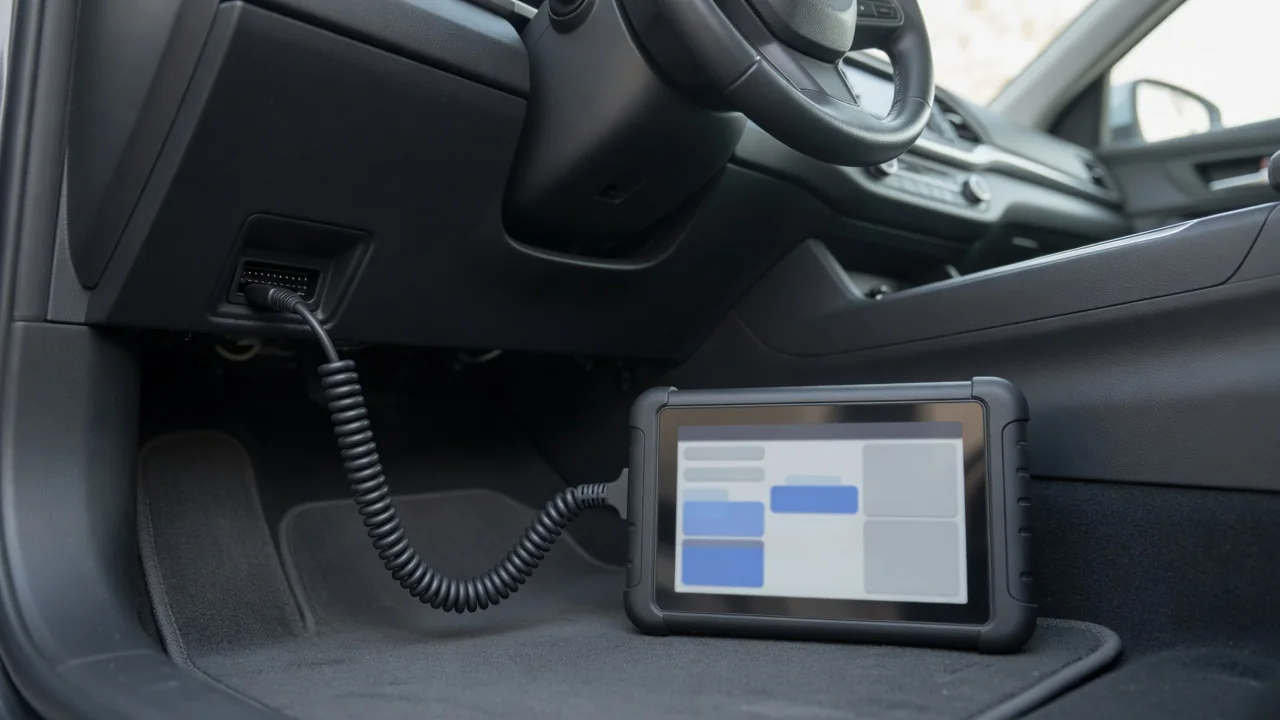
Diagnostic trouble codes beginning with U address network communication between control modules, and codes in the U0600–U0900 range are especially dependent on the vehicle that set them. U0600, U0609, U0614, U0619, U0623, U0633, U0637, and U0900 cannot be interpreted safely from a generic list because their meanings shift by make, model, year, and the module that reported the fault. To avoid chasing a false cause, start by confirming the exact definition with factory-level service information before assuming a part has failed or a repair is needed.
Why Upper-Range U-Codes Need a Vehicle-Specific Definition First
U-codes are reserved for network and communication problems between control modules, but the upper range above U0600 is not governed by a single generic standard. A code like U0623 might mean one thing on a Ford and something entirely different on a BMW, or it may be unpublished for a particular platform. Generic scan tools often display only "manufacturer-specific" or a blank description because they lack the enhanced data tables that factory equipment uses. That is why the first diagnostic step is to pull the code with a dealer-level scan tool or the manufacturer's service information system.
Equally important is identifying which module stored the code. The same U-code number can appear in the engine controller, transmission control module, ABS module, or body computer, and each location changes the interpretation. Accompanying codes are also critical: a U-code paired with a specific sensor fault points to a different wiring path than one that appears alone. Freeze frame data, mileage at first occurrence, and whether the code is current, pending, or history help determine if it reflects an active fault or a stored event from weeks ago.
U0600 and U0609: What to Check Before Assuming a Fault
U0600 and U0609 have no universal definition, so the first step is to look them up for the exact vehicle and reporting module. Record which control module set the code, the status (current, pending, or history), and any freeze-frame data such as engine speed, battery voltage, or temperature. Some platforms may use these numbers for internal checksum errors, lost communication with an auxiliary module, or software configuration mismatches, but no conclusion is safe without the manufacturer's documentation.
Symptoms from network-related codes are often broad: a check engine light, an ABS or stability warning, a gauge cluster that drops out, or intermittent loss of a feature like cruise control or hill start assist. When a U-code appears alone, it may be a one-time glitch from low battery voltage during cranking or a module that was disconnected for service. When it is surrounded by multiple U-codes from several modules, the cause more likely involves a shared network segment, a weak ground, or a common power supply.
U0614 and U0619: Reading Them in Context
U0614 and U0619 also require vehicle-specific lookup before any interpretation. A code that returns immediately after clearing indicates an active fault or a hard failure on the network, while a single history code that never repeats may have been set by a temporary voltage dip or a connector disturbed during service. Owners can gather useful evidence by noting when symptoms appear: only on cold starts, after driving through heavy rain, after hitting a rough road, or following a battery replacement. These patterns help a technician narrow the search.
Recent work is a vital detail to share. Installing a trailer wiring harness, swapping a radio, replacing a battery, or disconnecting a control module can all trigger U-codes if a connector is not fully seated or a ground eyelet is left loose. The age of the battery and the condition of its terminals are also useful because low voltage during cranking is one of the most common causes of spurious network faults. None of this proves a specific component failed, but it gives the diagnostic process a logical starting point instead of guesswork.
U0623: Most Searched Code in This Range and How to Approach It
U0623 attracts more online searches than its neighbors, but the reason is not a single famous fault. The number simply appears often because some manufacturers use it internally for a specific module communication line, and owners encounter it when a scan tool flags a problem. Forum posts claiming a definite meaning for one brand are useless for another, and sometimes the same code is assigned to different modules in different model years. A correct interpretation requires the reporting module, related codes, and whether the fault is currently active or stored.
A U0623 by itself does not justify replacing a control module, an expensive sensor, or a complete harness. Many stored U-codes are triggered by low battery voltage, a brief module timeout during start-up, or a connector that was pulled for another repair. If the code is history-only and no symptoms are present, clearing it and driving to see if it returns is a reasonable step after recording the data. If it comes back with a warning light or loss of function, then professional network testing is the next move.
U0633 and U0637: Signs, Context and Limits of Inference
U0633 and U0637 must be confirmed against manufacturer service information; no generic table can state what they mean. When multiple modules report related communication codes at the same moment, that pattern often points toward a shared network issue rather than a single failed part. A weak battery, a corroded ground under the hood, or a damaged wiring harness branch can cause several modules to log U-codes because they all lose messages from the same source or see corrupted data on the CAN bus.
Symptoms may include warning lights for ABS, traction control, or airbag, a speedometer or tachometer that drops out, or an accessory like power windows that behaves erratically. None of these observations proves a particular cause because network faults are often intermittent and can vanish when the vehicle is stationary in a shop. Professional monitoring with a factory scan tool that can record bus traffic during a test drive is the reliable way to catch an intermittent communication drop and trace it to a connector, module, or wiring segment.
U0900: An Uncommon Code That Needs Careful Lookup
U0900 sits at the upper edge of this range and is seen only on a limited number of vehicles. Its definition, if any, is entirely manufacturer-specific and may not appear in public code databases. A generic scanner might display "unknown fault" or a description that does not match the actual platform. The first step is to verify that the tool's software is up to date and, if possible, to read the code with a factory-level diagnostic system, which often reveals a more precise internal fault name or points to the module that originated the message.
If no reliable definition can be found even with a dealer-level tool, record everything available: the full code, reporting module, status, freeze-frame data, and any other codes. That information becomes the foundation for a dealer or specialist diagnosis instead of repeated clearing. Clearing a U0900 over and over without saving the data can erase the only evidence of an intermittent fault and force the technician to wait for it to happen again. A single stored occurrence with no symptoms may be safe to clear and monitor, but a recurring code with a warning light deserves professional attention.
Common Network Causes and a Safe General Diagnostic Approach
Most upper-range U-codes share common underlying contributors: low or unstable battery voltage, poor ground connections, damaged or corroded connectors, chafed wiring, water intrusion into a module or connector, aftermarket accessories tapped into a network wire, and module software that needs an update. Owner-safe steps include noting which warning lights appear and when, checking the battery for age and terminal corrosion, recording all codes with a scan tool that can show module and status, and avoiding any probing or back-pinning of network connectors, which can damage high-speed data lines.
Proper network testing requires an oscilloscope or a specialized scan tool that can measure CAN bus signals, module software checks often need factory access, and wiring diagnosis on multiplexed systems demands service information for pinouts and connector locations. Stop and seek professional help promptly if any brake, steering, airbag, or stability warning appears, or if the vehicle exhibits drivability changes, because those systems can be safety-related. A dealer can also check for unpublished technical service bulletins or software campaigns that may address a known communication issue, but the existence of such a bulletin must never be assumed.