U0452, U0170 and Related U-Codes: Restraints, Glow Plug and Lighting Module Data Faults
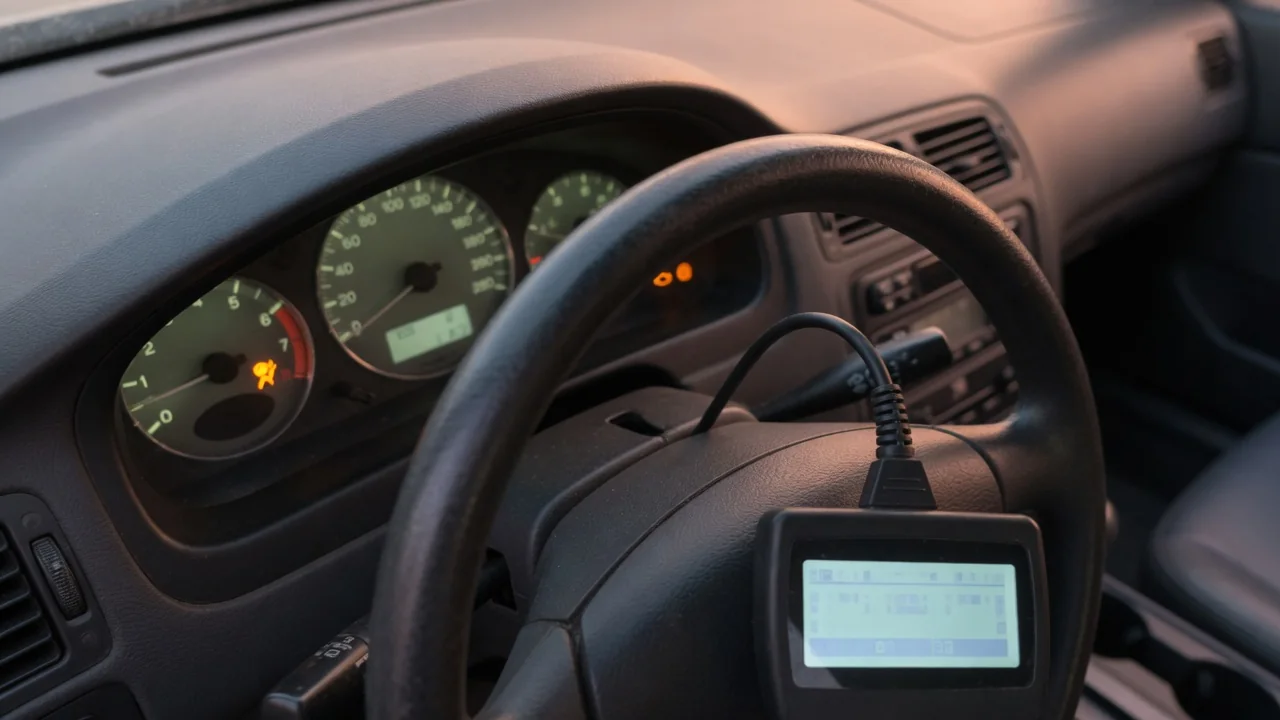
When a dashboard lights up with a U-code such as U0452, the vehicle is reporting a network fault between electronic modules. These codes do not mean a mechanical part broke; they mean one computer could not trust the data from another. Restraint, glow plug and lighting systems rely on shared communication buses, so a single wiring issue can trigger several codes at once. Understanding whether a code means lost communication or invalid data is the first step toward a focused diagnosis.
How Lost-Communication and Invalid-Data U-Codes Work
U-codes are diagnostic trouble codes that describe problems on the vehicle's data network, often a CAN bus. One module sets a U-code when it stops receiving expected messages from another module, or when a message arrives but contains data that fails a plausibility check. The module storing the code is usually not the cause; it is simply the one that noticed the problem. Therefore, a complete scan of all modules, not just the engine computer, is essential to see the full picture.
Lost-communication codes typically mean a message did not arrive at all within a set time. Invalid-data codes mean a message arrived, but something about it was wrong—a checksum error, an impossible value, or a counter that did not update. Many U04xx and U05xx codes have generic OBD-II definitions, but vehicle manufacturers often assign more specific meanings. A basic engine-code reader may show only powertrain codes, missing body, restraint, or lighting module faults entirely.
U0452: Invalid Data Received From the Restraints Control Module
U0452 is commonly defined as "invalid data received from the restraints control module." The exact wording and setting conditions vary by manufacturer, so service information for the specific model and year should be checked. The code may be stored in the instrument cluster, body control module, or engine computer when it receives data from the airbag module that it cannot validate. The actual fault could be inside the restraint module, in the wiring between modules, or even a software mismatch after a module replacement.
A typical symptom is an illuminated airbag or SRS warning light, often accompanied by a message in the instrument cluster. The seatbelt reminder may behave oddly, but symptoms are not guaranteed. Because the airbag system may not deploy as designed while this code is active, the vehicle should be diagnosed promptly by a qualified technician. Safe owner observations include noting when the light appears, whether it stays on continuously, recent battery work, collision history, or any seat or trim repairs.
U0170: Lost Communication With a Restraints System Sensor
U0170 is commonly described as "lost communication with restraints system sensor A." Which sensor is designated as "A" depends on the manufacturer—it could be a crash sensor, an occupant classification sensor, or another input. Unlike U0452, where data is received but rejected, U0170 means the module did not hear from that sensor at all. The airbag warning light is a typical sign, and the passenger airbag status indicator may change behavior, but specific outcomes vary.
Common contributing conditions include wiring or connector damage near the seats, corrosion in crash-zone sensor connectors, low system voltage during cranking, or previous body repairs that disturbed the harness. Owners should never unplug connectors under seats or near airbag components. Airbag circuits can retain energy, and accidental deployment or damage to the system is possible. Professional procedures require de-powering the system and using a scan tool to monitor sensor data and network status.
U0407: Invalid Data From the Glow Plug Control Module
U0407 is often listed as "invalid data received from the glow plug control module," and it applies mainly to diesel vehicles. The exact definition should be confirmed for the specific vehicle. Symptoms can include a glow plug or check engine indicator, hard cold starts, or rough running for a few seconds after startup. However, some vehicles may show no drivability change at all, only a stored code and warning light.
A glow plug module can send bad data for several reasons: low battery voltage during cranking, corrosion on the module connector, breaks in the wiring harness, or an internal module failure. Glow plug circuits carry high current, so owners should avoid probing them directly. A technician will use a scan tool to check the module's reported voltage and temperature, then perform targeted wiring tests with the system de-energized according to the service manual.
U0432 and U0442: Confirming Which Module Is Involved
U0432 and U0442 fall into the invalid-data code range, but the module they point to is not fixed across all vehicles. One manufacturer may define U0432 as invalid data from the lighting control module, while another assigns a different source. To confirm the meaning, the full code description must be read with a scan tool that can access body modules, or checked in the manufacturer's service information for that model and year.
When such a code does relate to a lighting module, possible visible signs include warning messages about the headlamp system, one exterior lamp not working, or automatic lighting features that stop responding. These codes often appear alongside other U-codes after a low battery condition, jump start, or module replacement. Seeing a cluster of network faults at once suggests a common root cause—such as a voltage drop or a disturbed connector—rather than many separate failures.
U0557, U0590 and U0594: Less Common Invalid-Data Codes
U0557, U0590, and U0594 are manufacturer-dependent codes, and no single universal definition should be assumed. The module named in the code description tells the technician where to look. Guessing from the code number alone can lead to replacing the wrong part. For example, one code might refer to the body control module, another to a lighting submodule, depending on the platform. The exact text from a professional scan tool is the starting point.
Owners may notice warning lights, features that stop working, or intermittent messages that clear on restart. An intermittent code that returns after being cleared provides more diagnostic information than one that was cleared once and never came back. The return pattern can indicate a loose connection or a heat-related network fault. Technicians will compare freeze-frame data, record all stored codes from every module, and check for software updates before condemning a module.
Shared Causes, Safe Checks and When Professional Testing Is Needed
Shared causes across these codes include weak or recently disconnected batteries, poor ground connections, damaged network wiring, water intrusion into connectors, aftermarket accessories tapped into the CAN bus, software mismatch after module replacement, and actual module failure. Owners can safely note the warning lights, visually check battery condition and terminal cleanliness, record every stored code from all modules, and list recent repairs or added accessories. These observations give a technician a strong starting point.
Network faults usually need wiring diagrams, voltage and resistance tests, and sometimes module programming. These are not DIY tasks. Any code involving the restraint system must go to a qualified technician; owners should not remove, test, or reconnect airbag parts themselves. Note whether warning lights reset after clearing codes. A returning code points to an active fault rather than a stored event, and that information helps prioritize the next diagnostic step.