U0418 Code: Brake-System Data Faults and Diagnostic Next Steps
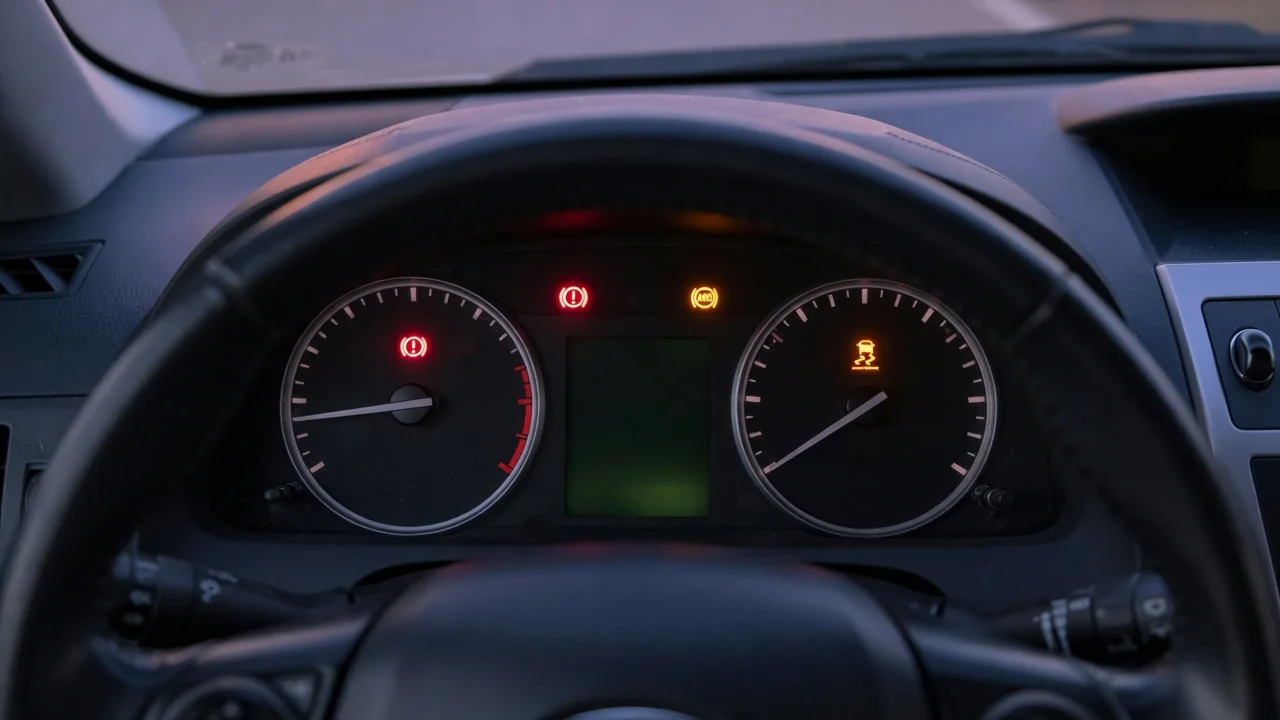
The U0418 code is a network communication diagnostic that often points to invalid data associated with a brake system control module. It is not a single-brand definition, and it does not by itself prove that a brake module has failed. A U0418 code should be read with the reporting module, the scan-tool description, and any companion fault codes. Related entries such as a U0416 code can appear in the same scan and need their own confirmation.
Verify What U0418 Means for the Vehicle
A U0418 finding is manufacturer-dependent, so the first useful step is confirming what the code means on that vehicle's year, make, model, and the control module that stored it. Scan tools can display a generic network label, a brand-specific phrase, or a truncated description, and those wordings are not interchangeable. Vehicle-specific diagnostics matter because U-codes describe communication and data relationships among modules rather than a single failed part. Until the official description for that platform is confirmed, treating U0418 as a universal brake-module failure diagnosis overreaches the evidence.
Where the confirmed definition identifies invalid network data received from a brake system control module, U0418 describes a data-validity concern seen by another controller. The reporting module is saying the information it received did not meet expected checks, not that the source hardware has been proven defective. That distinction changes the diagnostic path: module communication, wiring integrity, power quality, and implausible source values can all produce invalid data. The complete scan-tool description, including which module stored U0418, is therefore as important as the code number itself.
Warnings and Symptoms That May Accompany U0418
An ABS warning light, a traction-control lamp, a stability control message, or a combined chassis warning can appear with U0418, but the combination is vehicle-dependent. Some platforms illuminate several indicators when brake-related network data is questioned, while others show a more limited message set. The same invalid data can affect more than one function because ABS, traction, and stability systems share wheel-speed, pressure, and yaw information. Seeing multiple warnings does not automatically mean multiple independent failures; it can reflect one communication or data-validity problem being used by several controllers.
Systems that share brake-related information may display several warnings from one underlying concern, so the instrument cluster is a symptom map rather than a parts list. U0418 alone cannot establish whether conventional hydraulic braking still works or whether electronic assistance such as ABS, traction control, or stability control remains available. Those outcomes depend on how the vehicle is programmed to respond when network data is judged invalid. A driver may still have a firm pedal and normal stops, or assistance functions may be limited; only the vehicle's messages and a proper scan can describe the current state.
Recognize When the Vehicle Needs Immediate Attention
A changed brake-pedal feel, reduced stopping ability, visible fluid leakage, or a red brake warning is a reason to stop safely and arrange professional assistance rather than continue the trip to diagnose a code. Those signs point to possible hydraulic or foundation-brake trouble that a network diagnostic cannot rule out. U0418 describes questioned module data; it does not certify that the hydraulic circuit, pads, rotors, or fluid supply are intact. If the pedal sinks, travel increases, the vehicle pulls, or fluid is present at a wheel, hose, or master cylinder, treat the concern as a braking-safety issue first.
An amber ABS or stability-control warning still requires attention and a review of the vehicle's warning-message guidance, even when the pedal feels familiar. Those lamps often indicate that electronic assistance may be limited, which matters in emergency stops, low-traction surfaces, or sudden steering inputs. Skip road tests intended to trigger ABS or stability control as a homemade check; that approach can create a hazard without confirming the cause of U0418. An absence of noticeable symptoms is also not proof that continued driving is safe, because some network faults leave everyday braking unchanged while disabling backup functions.
Record Useful Evidence Before Codes Are Cleared
Before any codes are cleared, record the exact warning messages, when they first appeared, and whether the concern followed a weak-battery event, a jump-start, or recent service. Low voltage and interrupted module communication can store invalid-data codes that persist after the electrical event has passed. Notes about recent brake work, wheel-speed sensor replacement, battery replacement, or scan-tool activity help a technician separate a lasting network problem from a one-time disruption. Timestamped observations also prevent later guesswork if the U0418 code returns after a reset.
Save the complete scan report, including code status, reporting modules, companion fault codes, and any freeze-frame data, before clearing anything. Freeze-frame information can show speed, voltage, and operating conditions when the fault set, which is more useful than a code number standing alone. Owner checks should stay limited to safe observations with the vehicle parked: warning lamps, visible leaks, and battery-terminal condition seen without probing live circuits. A basic engine-code reader may not access the brake and chassis modules needed for diagnosis, so an empty engine-only scan is not evidence that U0418 is gone.
Document U0416 if It Appears in the Scan Report
If a U0416 code appears in the same scan, treat it as a separate finding that needs its own vehicle-specific definition and the full scan-tool description before anyone interprets it. Numerical closeness to U0418 does not assign U0416 the same meaning, the same source module, or the same repair path. Record which controller stored U0416, whether it is current or stored, and the exact text the tool displayed. That documentation keeps later diagnosis from collapsing two network codes into one assumed brake-module failure.
U0416 appearing alongside U0418 can provide context for the diagnostic sequence, because companion fault codes show which modules were talking, what data was questioned, and in what order events were stored. Neither numerical proximity nor simultaneous storage proves a shared cause. One code may be a downstream reaction to invalid brake-system data, while the other reflects a separate communication or power-supply issue. Keep the U0416 discussion at the documentation stage of the U0418 investigation: capture it completely, confirm its platform definition, and let the scan evidence decide whether the two findings should be tested together.
How Professional Testing Narrows the Cause
A technician starts with manufacturer diagnostic information, a scan of the relevant brake, ABS, and stability-control modules, plus code status and the operating conditions captured with the fault. Current versus stored status, repeating versus one-trip sets, and which controller reported U0418 all influence the next test. Power-supply concerns, connection or network faults, and implausible source data are possibilities to investigate only when the vehicle's diagnostic evidence supports them. Jumping to a brake system control module replacement without that support confuses a data-validity complaint with a confirmed hardware failure.
Module replacement or programming requires a confirmed diagnostic basis, such as failed communication tests, verified power and ground, or source data that remains implausible after network integrity is established. Clearing U0418 alone does not verify a repair, because a dormant code can stay gone until the same operating conditions return. Repair verification uses follow-up scans of the affected modules and manufacturer-specified checks of brake and stability-control functions, not a short drive that happens to feel normal. If U0416 or other companion codes remain, they need the same evidence-based closeout rather than being dismissed as leftovers of the original U0418 code.