U0415 Code: Invalid ABS Data, Symptoms, and Safe Diagnosis
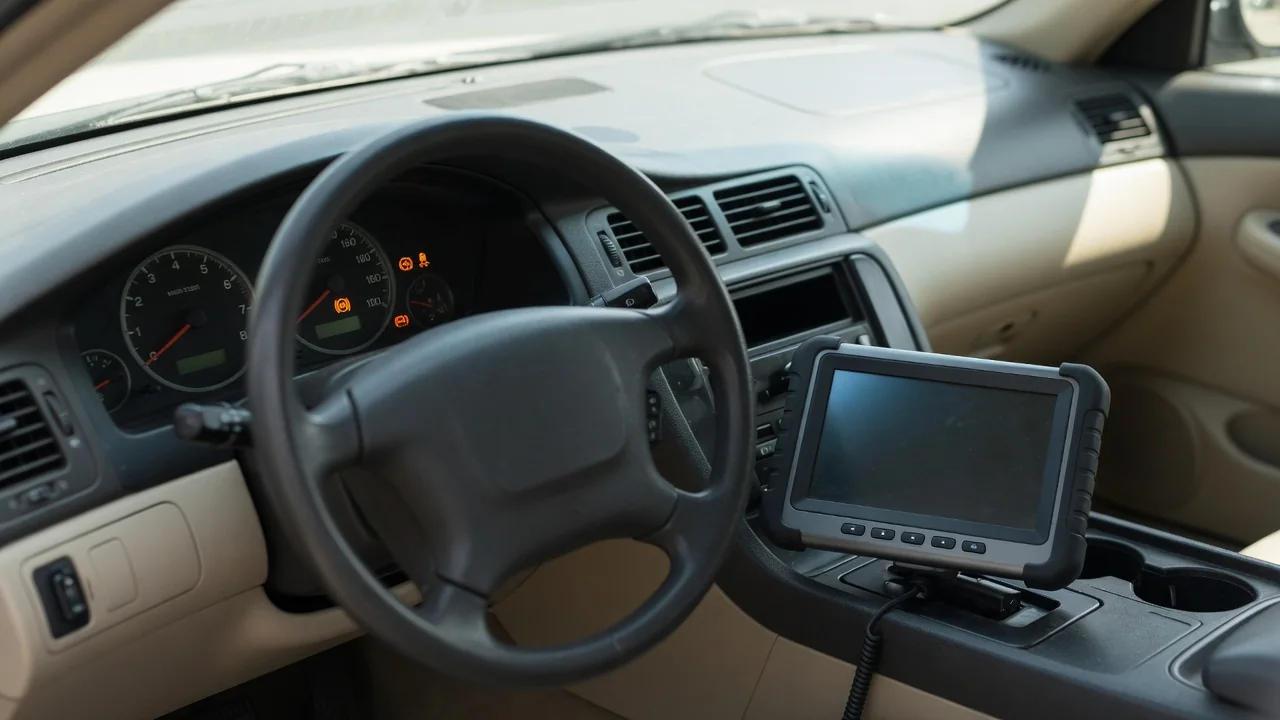
The U0415 code generally points to invalid network data associated with the anti-lock brake system control module. Drivers often first notice it after a scan prompted by ABS, traction, or stability warnings. Because this is a communication-style fault rather than a simple parts list, the reporting module, any suffix, and the vehicle-specific definition all matter. Treat U0415 as evidence to interpret, not proof that a module has failed.
What U0415 Means and Why the Reporting Module Matters
On many vehicles, U0415 identifies invalid data received from the ABS control module over the vehicle network. That wording can vary by manufacturer, so the complete code text, any letter or number suffix, and the module that set the fault must be confirmed before anyone treats the definition as settled. A receiving control module may be the one storing U0415 even though the ABS unit is named in the description. Vehicle-specific service information is the only reliable source for how that manufacturer uses this network data fault.
Invalid network data means another controller judged ABS messages implausible, incomplete, or otherwise unacceptable, not that the ABS module has been proven failed. The same U0415 code can appear when messages still travel on the CAN bus communication path but fail a reasonableness check, so it does not by itself prove a complete loss of network communication. Distinguishing a silent module from bad content, mismatched timing, or corrupted frames requires the vehicle's diagnostic path. Until that work is done, U0415 remains a lead, not a parts verdict.
Symptoms That May Accompany U0415
U0415 symptoms often include an ABS lamp, a traction control warning light, a stability control indicator, or some combination of those, depending on how the vehicle shares brake-based assistance. Not every model displays all three, and some also show a message about traction, stability, or brake assist. When the network data looks invalid, those assistance functions may be limited or disabled so the vehicle does not act on questionable wheel-speed or brake-control information. Which systems drop out is vehicle-dependent and should be read from the displayed warnings rather than assumed from the code number alone.
A stored U0415 code may appear without an obvious change in everyday braking, especially at low demand when anti-lock and stability logic stay inactive. Normal pedal feel and a straight stop do not confirm that ABS, traction, or stability control would still intervene if a wheel locked or lost grip. Useful owner notes include when the warnings first appeared, whether they stay illuminated or cycle with ignition, and any accompanying messages, noises, or changes in stopping distance or pedal travel. Those observations help a technician decide whether the fault is intermittent, ignition-related, or tied to a recent event.
Possible Sources of Invalid ABS Data
Invalid ABS data often starts with inputs the module uses to build its messages, especially wheel speed sensor data that disagrees with other wheels, vehicle speed, or expected behavior. Companion trouble codes for sensors, tone rings, wiring, or hydraulic control can show whether the ABS unit is sending values that look wrong rather than failing to talk at all. Unstable electrical supply, weak module power and ground, or damaged connectors can also scramble transmitted frames or cause brief dropouts. Those electrical issues remain possibilities until voltage, grounds, and connector condition are checked with vehicle-specific methods.
Network faults, configuration mismatches after module replacement, and software concerns belong in the discussion only when the vehicle's diagnostic information lists them for this code. CAN bus communication problems can distort messages without a total blackout, which is why an invalid-data label is not interchangeable with a lost-communication code. An internal ABS control module fault can be the outcome of testing if power, ground, inputs, and the network check out, but U0415 is not authorization to replace that module. Replacement without that evidence can leave the original wiring, sensor, or configuration problem untouched.
Safe Information to Gather Before Diagnosis
Before diagnosis, record the vehicle year, make, and model, the full U0415 code text including any suffix and reporting module, and the exact warning messages shown while the vehicle is parked safely. Note whether the traction control warning light, ABS lamp, or stability control indicator is on continuously, flashing, or only stored in memory. Recent battery trouble, jump-starting, electrical work, or wheel and brake service is useful context because those events can disturb module power and ground or wheel speed sensor data. Context is not causation; it only tells a technician where to look first.
Preserve available scan reports, freeze-frame records, and companion trouble codes before anyone clears memory. Clearing can erase pending versus confirmed status, occurrence counts, and related module snapshots that show whether invalid ABS data was a one-time event or a repeating problem. Owner observations should stay limited to accessible information and visible conditions such as warning lamps, displayed messages, and obvious connector or battery-cable condition. Avoid road tests intended to trigger ABS, probing of network wiring, and brake disassembly; those steps can create hazards and belong only in a professional setting with the correct procedures.
Professional Tests That Can Narrow the Cause
Narrowing U0415 usually requires a scanner that can enter the ABS control module and other controllers on the same network, not only a basic engine-code reader. A powertrain-only tool may show U0415 without identifying which receiving control module stored it, whether the fault is current, or what companion trouble codes exist in chassis modules. Reviewing code status, the reporting module, and related ABS, traction, and communication faults comes before choosing a path, because an invalid-data code with sensor faults points to different work than the same code with lost-communication or voltage codes.
Professional assessment then follows vehicle-specific procedures for supply voltage, module power and ground, CAN bus communication integrity, and live data such as wheel speed sensor data compared across corners. Those checks help separate a wiring or supply problem from implausible sensor values and from a module that is transmitting but failing internal checks. After a supported repair, codes should be reassessed rather than assumed gone, and ABS, traction, and stability control should be confirmed to operate as the manufacturer specifies. A dark warning lamp after a key cycle is not enough if those functions were never verified.
When Warning Lights Require Stopping or Towing
U0415 alone cannot establish whether the vehicle is safe to drive. Warning messages, actual braking behavior, and the owner-manual guidance for those lamps matter more than the code number. On some vehicles, conventional hydraulic braking remains available while ABS, traction, and stability assistance are unavailable, but that split must not be assumed from U0415. If the hydraulic system, brake fluid level, or a related hard fault is also involved, stopping power can change even when the original complaint was only invalid network data from the ABS control module.
Stop as soon as it is safe and arrange towing if braking effectiveness changes, the pedal feels soft, hard, sinking, or delayed, or a red brake warning or a stop-driving message appears. Those signs go beyond a network-data concern and can indicate a problem that affects the base brake system. For amber ABS, traction, or stability warnings without an apparent change in stopping, seek prompt professional assessment and follow the vehicle's specific operating guidance, which may advise reduced speed or avoiding poor traction. Driving on without that confirmation can leave those assistance systems unavailable when they are needed.