U0300, U0301, U0302 and U0306 Codes: Module Software Incompatibility Explained
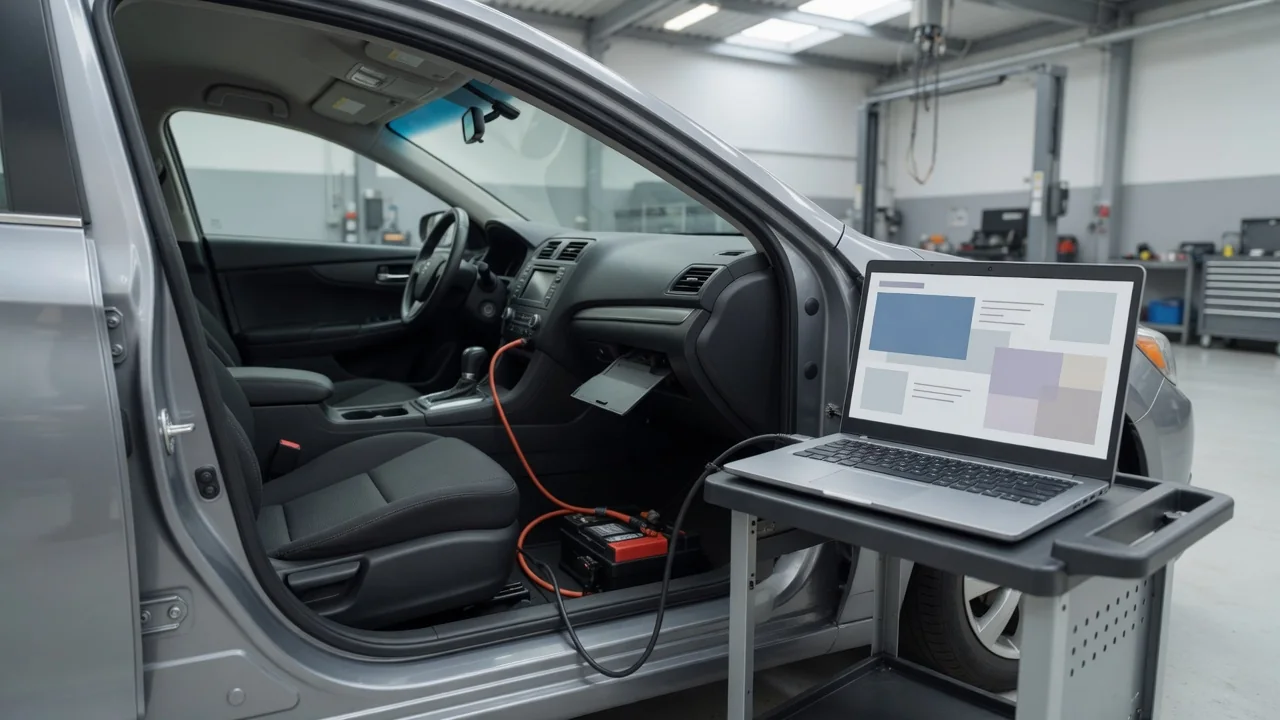
U0300, U0301, U0302 and U0306 are diagnostic trouble codes that surface when a control module on the vehicle network detects software or calibration data that does not match what it expects. These U-codes typically appear after a module replacement, a swap from another vehicle, or an interrupted programming session. They are not random wear faults; they signal that the module software configuration is incomplete or incompatible. Understanding how these codes work helps owners and technicians pinpoint whether reprogramming, configuration, or a simple setup procedure will resolve the mismatch.
What U0300 Means: Internal Control Module Software Incompatibility
U0300 is commonly described as an internal control module software incompatibility. It means one module on the CAN bus has found that the software or calibration in another module does not align with the version it is designed to work with. The incompatibility may be in the operating software, the calibration ID, or the configuration data that tells the module how the vehicle is equipped. Because U-codes are network codes, the module that stores U0300 is not necessarily the module with the wrong software; it is often the module that noticed the mismatch first.
This code usually appears immediately after a module has been replaced, transferred from a donor vehicle, or had its programming interrupted. A brand-new module often arrives blank or with generic software, while a used module may still carry another vehicle's VIN and options. If the update process is cut short by a power loss or communication failure, the module can be left with an incomplete calibration that the network flags. Confirming the manufacturer's definition and the specific module that set the code with a service-level scan tool is essential before reaching any conclusion.
U0301 and U0302: Software Mismatch With the Engine or Transmission Module
U0301 indicates a software incompatibility with the engine or powertrain control module, while U0302 reports the same condition with the transmission control module. The exact wording can vary by manufacturer, but both codes normally mean that the calibrations of two paired modules do not match. For example, if only the ECM is updated or replaced and the TCM still holds an older calibration, one of the modules may store a U-code. These faults are often mutual: the healthy module is simply flagging what it sees in its partner, not a defect in its own hardware.
Because the storing module may be perfectly functional, replacing parts without programming seldom fixes these codes. A technician should read every module's stored codes and software identification, not just the one showing the warning. Comparing calibration IDs and VIN data across all modules often reveals which one is out of sync. In many cases, reprogramming the mismatched module to the correct factory calibration or performing a module setup procedure clears the incompatibility. Skipping this step and blindly swapping hardware only shifts the problem to another corner of the network.
U0306: Confirm the Manufacturer's Definition Before Interpreting It
U0306 belongs to the same software incompatibility group as U0300, U0301, and U0302, but the module it names can differ between manufacturers and model years. On some vehicles it may point to an incompatibility with the ABS controller or the body control module, while on others it may reference the transfer case or steering module. A generic OBD-II code chart cannot reliably tell you which module is involved. You must confirm the vehicle-specific meaning through factory service information or a scan tool that reads manufacturer-enhanced definitions.
What U0306 tells you with confidence is that a software or configuration mismatch was detected somewhere on the network. It cannot tell you on its own which module needs to be corrected or whether the fault lies in software, calibration, or option data. U0306 often appears together with other U03xx codes after module work, such as a replacement or a reflash that left one module at a different software level. Reading the entire set of codes and the freeze frame data together gives a more complete picture of what was changed and what still needs attention.
Related Programming Codes: P0602, P0610 and P0614
P0602 is generally described as a control module programming error. It means a module is reporting that it is not programmed, or that its programming is incomplete or corrupted. This frequently happens when a reflash is interrupted, a battery voltage drops too low during the procedure, or a used module from another vehicle is installed without being reconfigured. The code is not an automatic sign of a bad module; it simply states that the software inside the module is not valid or finished.
P0610 is usually a control module vehicle options error. It points to missing or incorrect configuration data, such as the VIN, tire size, axle ratio, or optional equipment settings. A module can be mechanically fine but still set P0610 because its internal option table does not match the rest of the vehicle. P0614 is generally described as an ECM/TCM incompatibility, overlapping strongly with U0301 and U0302. These P-codes carry manufacturer-specific definitions and triggers, so they must always be checked against the vehicle maker's service information rather than a generic code list.
Why Software Incompatibility Codes Appear After Module Replacement
Software incompatibility codes appear after module replacement for predictable reasons. A new module is often delivered blank or with only basic boot software, and it must be programmed with the correct VIN, options, and calibration before it can talk properly to the rest of the car. A used module may still carry the donor vehicle's identity and configuration, which clashes with the receiving vehicle's network. Even a simple reflash can fail if the battery voltage sags or the diagnostic link is interrupted, leaving the module half-written and triggering a U-code.
Interdependence between modules is another common trigger. Updating one controller can force a change in the expected communication data, which then requires updating or relearning the modules that share messages with it. For example, a new ECM calibration may expect a newer transmission calibration; if the TCM is not also updated, a U0301 or U0302 can result. Low battery voltage during programming is a frequent hidden cause: the process draws significant current, and a weak battery can cause the session to abort, corrupting the software load.
Symptoms, Safe Checks and When Professional Reprogramming Is Needed
Symptoms caused by these software mismatch codes vary widely by vehicle and the modules involved. They may include a check engine light, a no-start or immobilizer condition, harsh or limited shifting, reduced power or limp mode, or certain convenience features that stop working. Some vehicles may run and drive almost normally while the code is stored; others may be disabled completely. Because the symptoms depend on which module is out of sync, they are not a reliable indicator of which part to replace. Safe owner-level checks are limited to recording every stored code, noting what work was done recently, and confirming good battery condition before seeking reprogramming.
The usual fix is correct programming or configuration using manufacturer software or a suitable dealer-level scan tool. The process may involve entering the VIN, loading the correct calibration, performing a module setup or variant coding, and then clearing the codes and verifying they do not return. Clearing the codes without correcting the mismatch rarely lasts, because the network will re-detect the discrepancy on the next communication cycle. If the vehicle exhibits ongoing drivability problems or safety-system warnings, professional diagnosis is strongly recommended: the repair does not end at code clearing, but at confirming the software matches across all modules.