U0199, U0200, U0208, U0214: Door, Seat, and Remote Module Codes
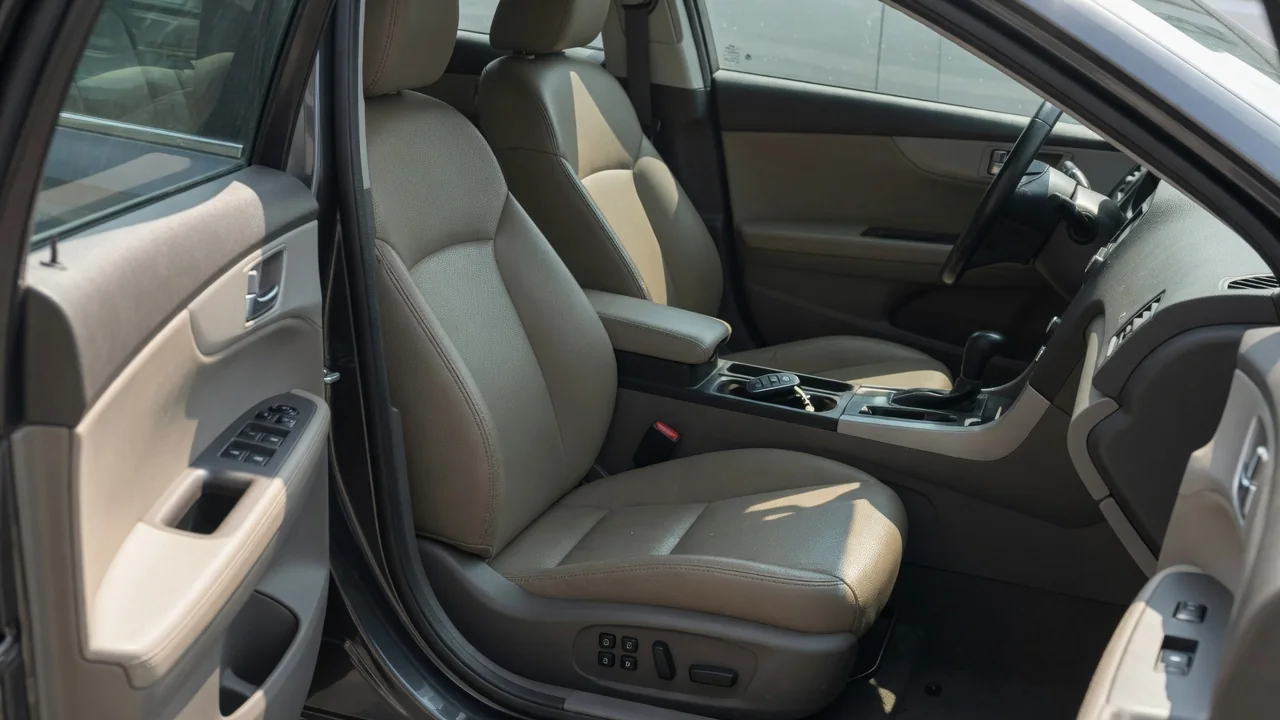
Lost-communication codes U0199, U0200, U0208, and U0214 record missing messages on the vehicle network from a door control module, seat control module, or remote function actuation module. Dead windows, silent locks, or unresponsive remotes may follow, but a code is not proof the named module failed. Confirm each description in service information, then use a network scan and electrical checks as the next step.
Verify the Code Meaning for the Vehicle Before Interpreting It
Before assigning a door, seat, or remote module to U0199, U0200, U0208, or U0214, confirm the exact description in service information for the vehicle's year, make, model, and equipment. Body control systems vary, and the same four-character code can name different modules or physical locations. A lost-communication code only records that expected messages did not appear on the vehicle network. It is evidence to interpret, not proof that the named control module has failed or that a replacement is required.
Record which module reported each code, whether the condition is current or stored, and every accompanying code before clearing anything. Stored entries can linger after an earlier interruption and may not match the symptoms seen today. Letter designations such as door control module A or seat control module A also need vehicle-specific confirmation. Those letters do not always map to the same door or seat across models, so identifying the wrong assembly can send diagnosis toward the wrong power, ground, or network path.
U0199: Door Control Module A Communication and Possible Symptoms
U0199 is commonly described as lost communication with door control module A, though that wording must be verified for the vehicle. When the identified module supplies window, lock, or mirror functions, those controls may go silent, work only on one side, or respond intermittently. With the vehicle parked, note which switches still move glass, which locks cycle, and whether a mirror or courtesy lamp still follows a command. Those observations help a later network scan, but they do not by themselves locate a failed part.
A dead window or lock cannot distinguish a communication fault from a local switch, actuator, or module power and ground problem. The motor may still have voltage while the door control module never appears on the vehicle network, or a failed switch can mimic a silent module. Intermittent electrical faults often appear as a control that works after a door slam, a weather change, or a restart. Record that pattern without pulling trim, probing wiring, or forcing a stuck window or latch.
U0200: Door Control Module B and the Affected Door Functions
U0200 is commonly listed as lost communication with door control module B, yet the physical door and the functions that module owns still need confirmation. Depending on the vehicle's electrical design, the affected door may lose only a window, only a lock, or several body control systems at once. Mirror, courtesy lighting, and speaker circuits can share that same module on some equipment packages. Note which features remain live on the opposite door so a technician can compare a communicating module with one that is silent.
Record whether the symptoms coincide with normal door movement, recent door work, or visible moisture around the weatherstrip or sill, without pulling trim or manipulating wiring. A harness that flexes in the hinge area can interrupt module power and ground or the vehicle network without destroying the module itself. If the door will not latch securely, or if a window or mirror problem blocks a safe view of traffic, stop using the vehicle and seek assistance. Do not drive with an unsecured door or obstructed visibility.
U0208: Seat Control Module A and Unresponsive Seat Features
U0208 is commonly described as lost communication with seat control module A, and vehicle-specific identification is required before naming a particular seat. Where that module controls powered adjustment or memory, the seat may stay put, move only on some axes, or ignore stored positions. Record which functions fail, which occupant seat is involved, and whether the change followed battery discharge, jump-starting, or interior work. Those notes help separate a network interruption from a mechanical bind that simply keeps the seat from traveling.
Do not unplug or probe under-seat connectors. Restraint-system wiring may be present, and disturbing those circuits can create additional faults or disable safety equipment. Direct any electrical diagnosis of module power and ground, the vehicle network, or the seat control module to a qualified technician who has the correct service information. If the seat position already prevents safe access to the pedals or a secure driving posture, do not drive the vehicle. Have it inspected and repositioned before it returns to the road.
U0214: Remote Function Actuation Module Communication
U0214 is commonly listed as lost communication with the remote function actuation module, though terminology and architecture still need confirmation for the vehicle. When that module participates in remote locking or unlocking, the fob may fail to cycle the doors, or only some equipped remote functions may go unanswered. Not every convenience feature uses this module, so a silent trunk release or remote start does not automatically assign blame. Compare those remote results with interior lock and window switches to see which path still works.
Poor fob response alone does not prove a vehicle-network fault. A worn transmitter, nearby radio interference, a discharged vehicle battery, or a problem at the receiver can produce the same complaint without a lost-communication code. Document which remote commands fail, whether they fail every time, and whether interior controls still operate. Avoid repeated remote-start attempts and any security-system bypass. Those extra cycles can mask an intermittent electrical fault and complicate a later network scan of body control systems.
Possible Shared Causes and When Professional Testing Is Needed
Shared causes for U0199, U0200, U0208, and U0214 include low vehicle voltage, interrupted module power and ground, damaged connectors, moisture, network wiring faults, and internal module failure. None of those explanations can be ranked by how often they occur from the code alone. Several lost-communication entries can reflect one shared electrical problem on the vehicle network, while stored codes may remain after an earlier interruption has already cleared. Note recent battery problems, repairs, water leaks, and intermittent symptoms, and keep owner checks to visible observations without disassembly.
Professional testing should confirm whether each named module is available on a network scan, then verify power supplies, grounds, and network integrity with the correct wiring information before anyone recommends replacement. A module that never wakes may have lost power, while a module that wakes but cannot talk may have a bus or connector issue. Replacement, when it is required, may need vehicle-specific configuration. Repair verification should include restored door, seat, and remote functions plus a follow-up scan that shows the lost-communication codes have not returned.