U0137, U0141, U0142, U0146, U0151, and U0154 Communication Codes
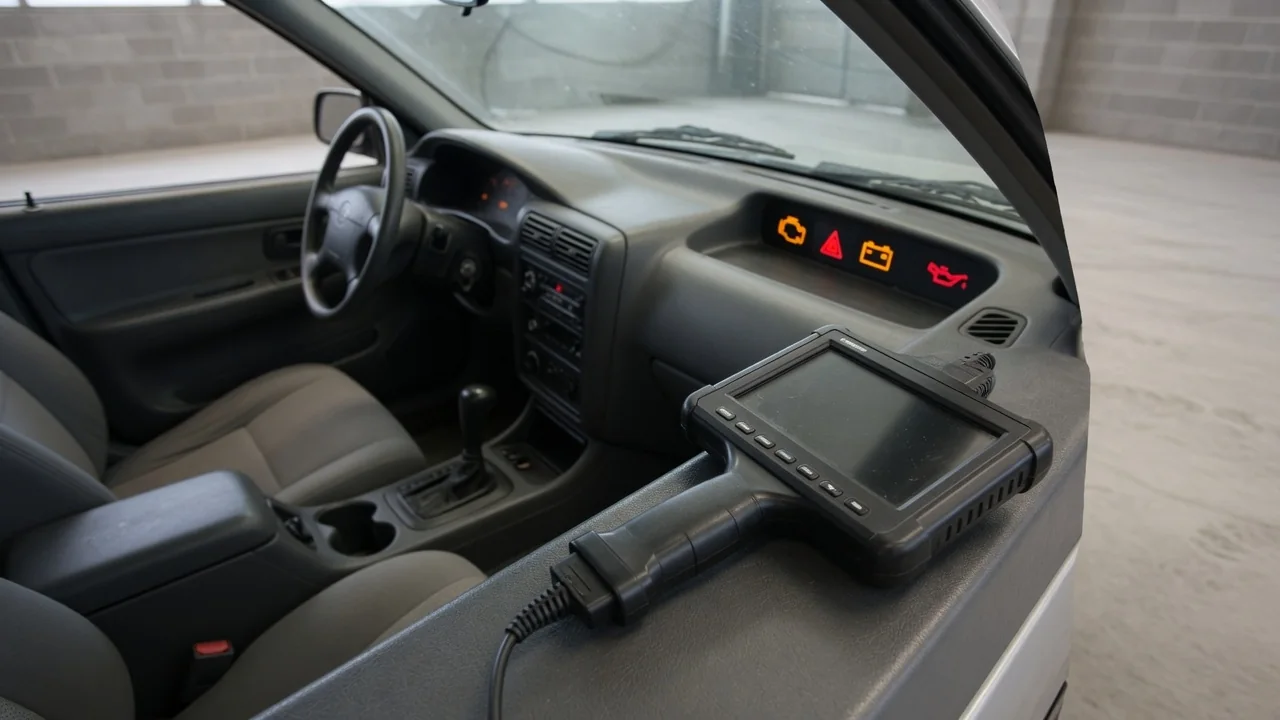
When a scan tool shows U0146 or a related lost communication code, a module on the vehicle network has stopped exchanging expected messages. These U-codes cover trailer brake, body control, gateway, restraint, and occupant sensing modules. The reading is a starting point, not a failed-part verdict. Understanding what each code reports helps prioritize safe checks. This guide explains U0137, U0141, U0142, U0146, U0151, and U0154, what observations matter, and why professional diagnosis is often necessary.
What a Lost Communication Code Can Establish
A lost communication code means a reporting module noticed missing, invalid, or intermittent messages from another module. The code is evidence of a network conversation problem, not proof the named module is dead. Before replacing anything, read the full code with any suffix and the manufacturer’s definition for the specific year, model, and equipment. Module names can change between platforms, and a generic reader may mislabel a component.
The reporting module, status (current or history), companion codes, and symptom timing all frame the fault. A code set during startup with no current warning differs from one logged while driving with multiple system alerts. Record scan results and dashboard messages before clearing anything. A basic code reader may not access every relevant module, so a more complete scan can reveal whether the fault is isolated or part of a wider network issue.
U0137: Trailer Brake Communication and Towing Warnings
U0137 indicates lost communication with a trailer brake control module, but the definition and installed equipment vary by vehicle. On some trucks the code is for the integrated trailer brake controller; on others it refers to a different trailer braking interface. Check whether the vehicle actually has the equipment named in the manufacturer’s definition before assuming a trailer issue. The code can set without a trailer connected due to network interruptions.
A U0137 may accompany a trailer brake warning or make integrated brake-control functions unavailable. If the warning appeared with a trailer connected, note whether braking behavior changed, but that observation alone cannot identify the failed component. Avoid towing while trailer braking is uncertain because stopping distance and stability may be affected. Professional assessment is recommended rather than road-testing trailer brake operation, which can be unsafe without known brake function.
U0141: Identify the Named Body Control Module
U0141 is a lost communication code, but the named module differs by manufacturer. Some vehicles identify a primary body control module; others may use a letter designation like “BCM B” or “body control module 2.” Confirm the exact wording and role for the specific vehicle before assigning symptoms. Misreading the module name leads to wrong tests and unnecessary parts replacement.
If the identified module controls lighting, locks, or other body functions, those features may act oddly during a communication fault. Several affected functions can occur together without proving the body control module needs replacement; a shared power feed, ground, or network wiring fault can produce the same cluster. Document intermittent symptoms and any recent electrical work, then have module availability, power, ground, and network integrity checked professionally.
U0142: Confirm the Secondary Body Controller’s Role
U0142 points to lost communication with a secondary body controller, but which module that is depends on the vehicle’s architecture. One platform may have a rear body module, another a passenger compartment controller. Verify the definition and the designated controller’s role before assuming functions. Body-function symptoms must be tied to the actual module, not a universal list, because secondary body controllers manage different equipment in different vehicles.
A history code with no present symptoms still needs context. Prior low-voltage events, battery replacement, or recent service can set communication codes without an active fault, but those events are not a confirmed cause. If the code returns or body functions become unavailable, a complete module scan and professional electrical testing are justified. The goal is to find whether the controller, its power and ground, or the network wiring is responsible.
U0146: Gateway Communication and Multiple System Alerts
U0146 indicates lost communication with a gateway module, but the exact gateway designation—such as “gateway A” or “central gateway”—must be confirmed for the vehicle. The gateway routes messages between different network buses, so a communication interruption at this point can make modules on one segment unreachable while another segment continues to work. That explains why several system alerts may appear together.
Multiple unreachable modules do not by themselves prove gateway failure. A weak power supply or a shorted network wire can produce the same pattern. Record all warning messages and affected functions, then obtain professional network testing. Avoid connector probing, bypasses, or replacing the gateway based on the code alone. Proper diagnosis uses a scan of all modules and measurement of network signals according to the manufacturer’s procedure.
U0151: Restraint Communication and Airbag Warnings
U0151 refers to lost communication with a restraint control module, but the exact controller name varies. Some vehicles use a “restraints control module,” others an “airbag control module.” Confirm the manufacturer’s definition before interpreting the fault. A lost communication code in the restraint system often sets an airbag or seat belt warning light, but the code alone cannot establish which protective functions remain available.
Owner observations should be limited to warning lights, messages, and when symptoms occur. Do not probe, unplug, resistance-test, or manipulate restraint wiring; even disconnected low-power circuits can store energy and create risk. Prompt professional assessment is recommended, and the vehicle’s warning-message instructions should be followed. Clearing the code does not establish restored protection, because a communication fault may return and leave the airbag system nonfunctional without a new warning.
U0154: Occupant Sensing and Passenger Airbag Status
U0154 indicates lost communication with an occupant classification or related restraint sensing module, but the exact module depends on the vehicle. Some systems use a passenger seat weight sensor and module; others integrate occupant detection elsewhere. Confirm the definition and whether the vehicle has that equipment. The identified system’s role is to help the restraint controller decide passenger airbag deployment, but the sensing method is not universal.
A passenger airbag status indicator may change state during a communication fault, but an indicator state alone does not confirm a failed module or sensor. Refer to the owner’s manual for the meaning of the indicator. Persistent warnings should be professionally assessed, and the affected seating position should not be relied upon until vehicle-specific guidance is obtained. Do not bypass sensors, work under the seat connector, or attempt do-it-yourself calibration; these actions can disable restraint functions and create safety risks.