Turn Signal Sound Not Working: Causes When the Click Goes Silent
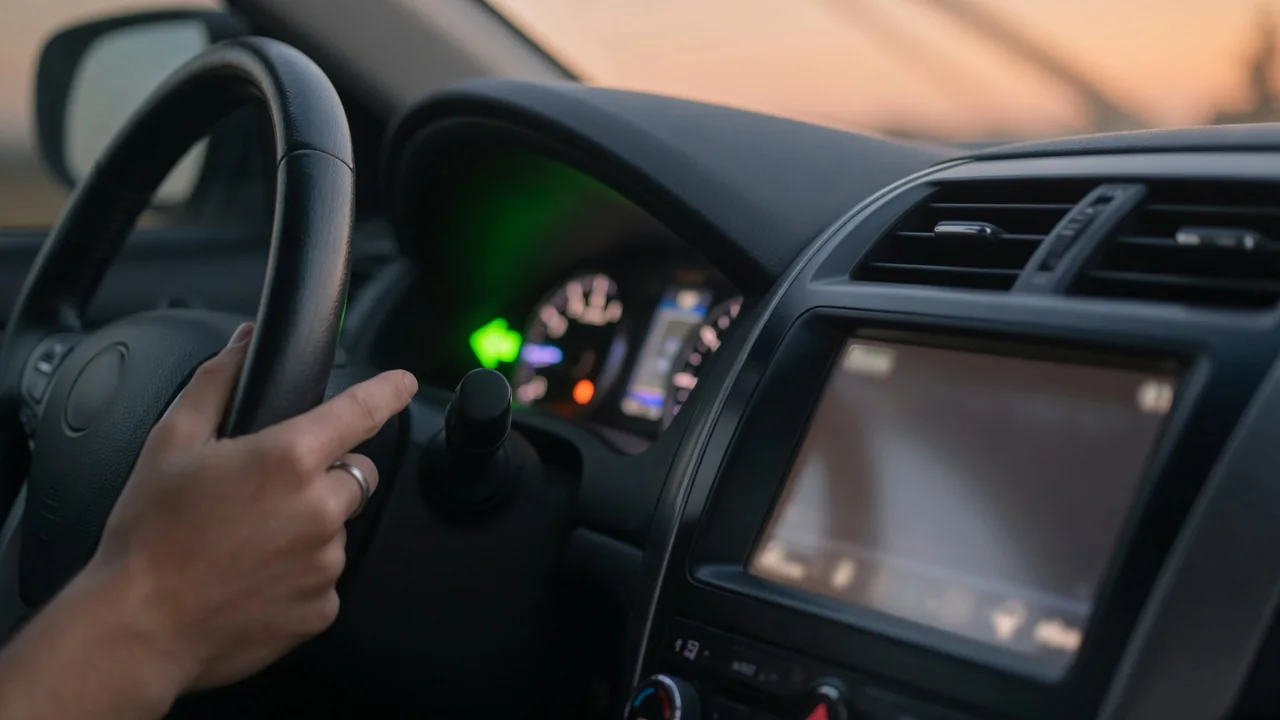
When the turn signal sound is not working, the steady tick you rely on goes quiet, and it is easy to wonder whether the lights themselves have failed. In any car, that silence is a clue rather than a verdict. Knowing how the click is produced, what a silent signal can point to, and which checks are safe helps you decide when a technician needs to take over.
Why the Turn Signal Click Can Stop While the Lights Still Flash
On older vehicles, the turn signal click came from a mechanical flasher relay that physically opened and closed as it pulsed current to the bulbs. Many newer cars instead generate the sound electronically, playing an indicator chime through a small speaker in the instrument cluster, a body control module, or the infotainment system. Which design you have varies by make, model and year, so a fix that works on one vehicle may be irrelevant on another.
Start by separating two symptoms. If the lamps flash but there is no sound, the fault likely lies in the sound source or its control, not the bulbs. If nothing flashes and nothing clicks, look first at the signal circuit itself. Walk around the parked car to confirm front and rear lamps on both sides, watch the dashboard turn arrow, and note whether the hazard lights make noise. Whether you call it a click, chime or turn signal noise, the sound alone cannot pinpoint a failed part.
Radio and Turn Signal Sound Both Not Working
When the radio and turn signal sound are not working at the same time, the pairing is informative. On vehicles that play the indicator tick through the audio or infotainment system, losing both together suggests a shared speaker audio output path, an amplifier, or the head unit rather than a lamp problem. Before assuming the worst, check whether other warning chimes still sound, such as door ajar, seatbelt or parking sensor alerts, and whether the screen responds normally to touch.
Timing matters too. Note whether the silence began after a battery change, a software update or the installation of an aftermarket stereo, dash camera or other accessory. Driver-level steps include confirming volume and chime settings and performing an infotainment restart if the owner's manual describes one. Beyond that, amplifier, wiring, module or software faults need professional diagnosis. Avoid opening audio panels or dash trim yourself, since some sit near airbag components and connectors that are easily damaged.
Chevy Cruze and Silverado: No Click or No Flash
Owners asking why a Chevy turn signal is not working or clicking are often describing two different problems. A Cruze or Silverado that flashes silently points toward how the sound is produced, while one that neither clicks nor flashes points toward the signal circuit, switch, power supply or control logic. GM has used different designs across generations, so confirm in the owner's manual or with a dealer how your model year makes its turn signal sound rather than assuming.
Check that each bulb or LED lights at every corner, and watch for hyper flashing, an irregular rate, or dash warnings. On a Silverado, trailer wiring, aftermarket LED turn signal bulbs or added lighting can change electrical load and how the system responds. If these checks do not explain the symptom, scan-tool testing of body control module and instrument cluster functions is the next step. Avoid guessing at parts, and confirm any trouble code against GM-specific information instead of generic definitions.
Volvo XC60 and XC90 Turn Signal Sound Not Working
In many modern Volvos, the indicator sound is played through the audio or infotainment hardware, so a Volvo turn signal sound not working may go quiet alongside other audio functions. Confirm the arrangement for your XC60 or XC90 model year, since designs change. Look through the center display for sound or volume settings, and consult the owner's manual for any option affecting alert sounds. Also consider whether the problem appeared right after a software update.
Useful observations include whether other warning chimes, navigation prompts and media audio still play, and whether the signal lamps and dash arrows operate normally. If lamps and arrows work but every sound is missing, that pattern points toward audio output rather than lighting. A persistent fault needs Volvo-capable diagnostic equipment, because a generic reader may not reach the relevant modules. Any diagnostic trouble code should be checked against Volvo-specific information before it is interpreted or acted on.
Tesla Turn Signal Sound Not Working
A Tesla has no mechanical flasher relay producing the click. The indicator sound is generated by software and played through the vehicle's speakers, so audio settings, software state and speaker function all influence whether you hear it. When the Tesla turn signal sound is not working, check the volume and any relevant sound settings on the touchscreen, then note whether other alerts and media audio are also silent, which helps separate a settings issue from a broader audio problem.
A low-risk first step is the normal touchscreen reboot described in the owner's manual, performed only while parked and following the published instructions. A reboot may restore sound if the software is in an unusual state, but it is not guaranteed to fix the problem. If the indicator sound stays absent, book service through the official app or with a qualified technician, particularly if collision alerts or other safety warnings are also affected.
Kia Sportage Turn Signal Sound Not Working
Depending on generation, the Sportage's indicator sound may come from the instrument cluster or the audio system, so owners should confirm the design for their model year. When the turn signal sound is not working on a Kia Sportage, check lamp operation on both sides, the flash rate, and how the dash arrow behaves. Look through the cluster or display menus for sound settings, and listen for whether other chimes, such as seatbelt or door warnings, still work.
Recent events can be relevant. A battery replacement, a jump-start, an infotainment update or new accessory wiring may coincide with the silence, and that timing is worth noting even if it is not the cause. If settings checks change nothing and the lamps still flash, a dealer or independent shop can test the cluster, body module and related wiring with proper equipment. Avoid buying parts based on forum guesses, since a fix for one generation may not apply to yours.
When a Silent Turn Signal Needs Professional Testing
For safety, the lamps flashing correctly matters most, because other drivers see the lights rather than hear the click. Still, a missing audible cue deserves attention, since it is easy to leave a signal on unnoticed and mislead traffic. Treat these signs as urgent: no flash on one or both sides, a dash arrow that stays solid or flashes fast, flickering lamps, a burning smell, or fuses that keep blowing. Those point to circuit problems beyond a simple sound fault.
Symptoms narrow the possibilities but rarely confirm a cause, and module, wiring and software faults need proper diagnostic tools to separate. Avoid stripping dash panels, bypassing circuits or swapping modules at home, which can create new faults or disturb airbag-adjacent components. Instead, tell the technician exactly when the sound stopped, whether the hazard lights click, which other sounds disappeared, and what changed around the same time, such as a battery, update or accessory installation. That detail shortens diagnosis.