Turn Signal and Brake Light Not Working Together: Causes and Safe Checks
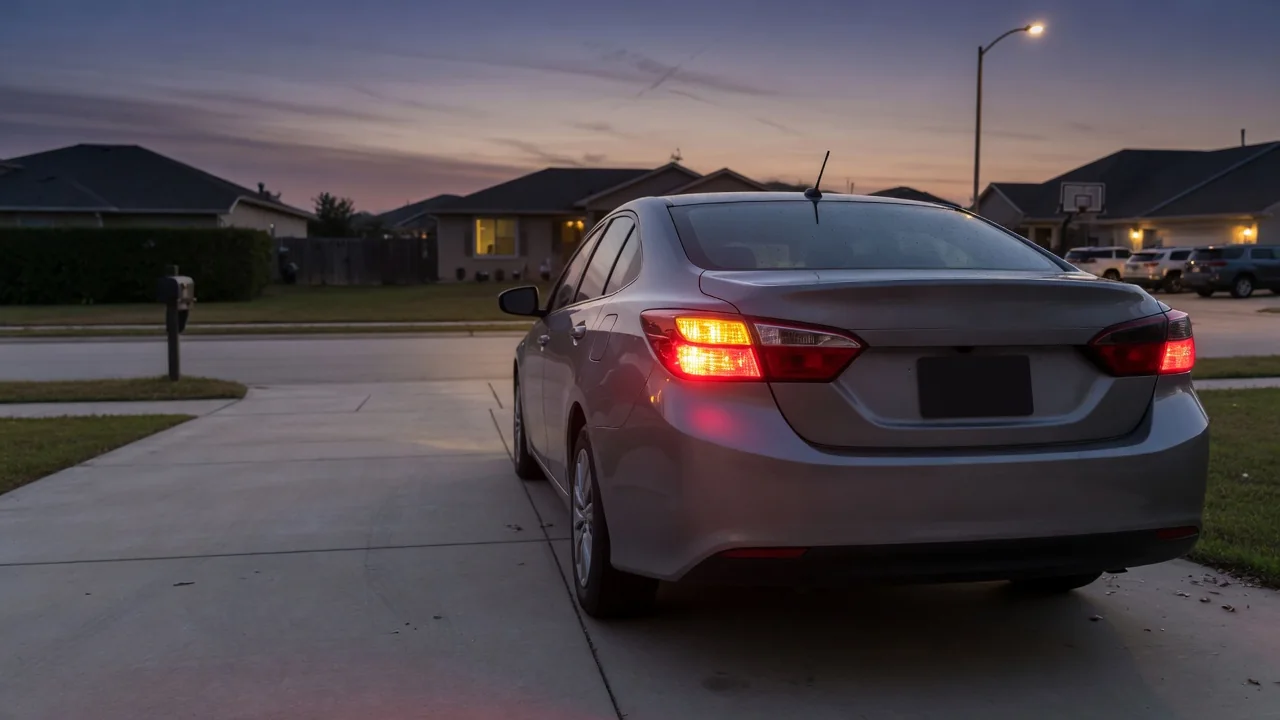
A rear brake light and turn signal not working at the same time is rarely random. Many rear lamps use one bulb, socket, ground or harness section for both jobs, so a single fault can darken both. Knowing how the circuit is laid out helps narrow down one-sided failures, right or left rear problems, and Jeep Wrangler or Harley-Davidson quirks before parts are replaced by guesswork.
Why a Turn Signal and Brake Light Can Fail at the Same Time
On many cars, trucks and SUVs, the rear brake and turn functions share hardware. A dual-filament bulb or LED module may handle both, sitting in one socket within the rear lamp assembly and relying on the same ground connection and wiring harness section. If that common link fails, finding the turn signal and brake light not working together is the expected result. Other vehicles use separate amber turn lamps, so check your own layout in the owner's manual before assuming either design.
The usual suspects are a failed bulb or LED module, bulb socket corrosion, a loose or poor ground, chafed wiring, a corroded connector, or a fault in the brake light switch, multifunction switch or lighting control module. A simultaneous failure points toward shared parts, but it does not prove an expensive module has failed. Both lights are required safety equipment, so avoid driving in rain, fog or darkness until they work properly again.
When Brake Light and Turn Signal Fail on One Side Only
When the brake light and turn signal are not working on one side, the cause is usually local to that lamp: the bulb, socket, ground or wiring near it. A system-wide problem such as a faulty brake light switch would normally affect both sides. Have a helper watch the lamps while you press the pedal and work the signal lever, note any hyper flash on the dashboard indicator, and look for taillight moisture or a cracked lens.
A lamp that glows dimly, flickers, or lights up when a different function is selected can suggest a weak ground or a high-resistance connection, though it is not certain proof. A bulb that works fine in another position does not clear the socket or wiring, because the fault may sit in the contacts or harness. If other lights on that side also misbehave, the problem likely lies further upstream and needs proper circuit testing.
Right Rear Turn Signal and Brake Light Not Working
Before blaming the right rear lamp, confirm the symptom is really isolated. Check whether the right front turn signal flashes and whether the center high-mount stop lamp and left brake light come on with the pedal. If everything else works and only the right brake light and turn signal are dark, attention shifts to that assembly. Look for a fogged or cracked lens, standing water, a blackened or broken bulb, and a socket that appears corroded or heat-damaged.
Think back to recent events near that corner. Body work, a rear impact, a hitch installation or a trailer wiring add-on can pinch, stretch or disconnect wiring behind the panel, and those details help a technician narrow the search. Without a meter, though, visual checks only go so far: a clean-looking socket can still lack power or ground. If a fresh bulb does not help, have a professional trace the circuit with a wiring diagram.
Left Rear Turn Signal and Brake Light Not Working
With the left rear turn signal and brake light not working, start by separating a lamp fault from a broader left-side problem. Watch whether the left front signal flashes and the dashboard indicator behaves normally. If the front works, the rear lamp, its socket, ground or nearby harness is the likelier area. If the left turn signal and brake light fail along with the left front signal, the cause may be upstream, such as a switch, connector or control circuit.
The left rear lamp deserves the same careful look as the right: check the bulb for a broken filament or darkened glass, inspect the lens for cracks and condensation, and see whether the socket shows green or white corrosion. Avoid prying the assembly or forcing connectors, since aging plastic clips break easily. The dashboard flash rate can offer a clue, but its behavior varies by vehicle and should never be treated as proof of a specific fault.
Jeep Wrangler Brake Light and Turn Signal Problems
Rear lighting on the Jeep Wrangler differs across generations, trims and model years, so confirm your lamp layout and circuit design from the owner's manual or official service information before buying parts. Off-road use, water crossings, aftermarket bumpers, LED taillight conversion kits and trailer wiring add-ons can all affect rear lighting circuits in general. None of these is a known Wrangler defect, but each is worth considering when the brake lights and turn signal stop working.
If aftermarket lamps are fitted, confirm their compatibility with the parts supplier or a technician, because some lighting systems monitor current and may react unpredictably to LED loads. Have a helper observe both functions, inspect lenses for moisture and trapped mud, and note whether a modification came just before the problem appeared. When a new bulb or reseated plug does not fix it, or several lights act oddly, have the Wrangler's lighting circuit diagnosed professionally rather than swapping parts.
Harley Turn Signal and Brake Light Not Working
When a Harley turn signal and brake light are not working, remember that motorcycle rear lighting varies by model and year. Some bikes combine running, brake and turn functions in the rear signals, while others use separate lamps, so check the service manual for your configuration. Vibration, weather exposure, and aftermarket fender or lighting changes can loosen or corrode connections, though these are general possibilities rather than a diagnosis for any particular bike.
Confirm whether the front signals work and whether the brake light responds to both the hand lever and the foot pedal, since each control typically has its own switch. Inspect visible lamps and connectors without taking the harness apart. LED conversions can change flash rate or combined-function behavior, so confirm compatibility with the supplier or a dealer. Riding without working signals or brake lights is especially risky, so arrange dealer or shop diagnosis before riding further.
When to Stop DIY Checks and Get Professional Lighting Diagnosis
Stop DIY checks if you find a burnt or melted socket, a fuse that blows again after replacement, several lights failing at once, dashboard warning messages, or lights that come on together when they should not. Modern vehicles often run lighting through a body or lighting control module, so accurate diagnosis may require a scan tool and wiring diagrams. Never splice, bypass or jumper wires, and avoid mismatched bulbs, since these can create fire and electrical hazards.
Give the technician useful details: which lights fail, whether it happens with the pedal, the signal lever or both, whether the problem is constant or intermittent, and whether the dashboard indicator changed its flash. Mention recent repairs, body work, trailer wiring or accessories. That information shortens diagnosis time. Because working brake lights and turn signals let other drivers predict your movements, a rear lighting fault should be repaired promptly rather than postponed.