Turbocharger Maintenance: Safe Checks, Testing, and Service
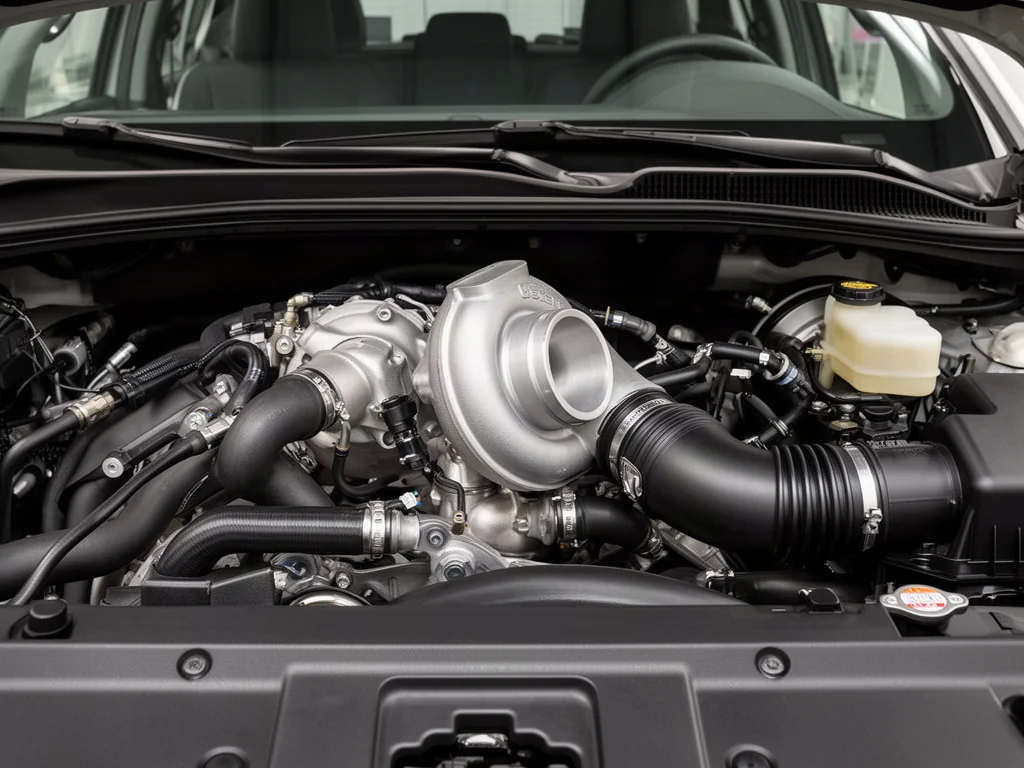
Turbocharger maintenance is less about a calendar overhaul and more about lubrication, filtration, and the plumbing that feeds boost. Owners who keep oil, air filters, and charge air hoses in good order reduce the chance of shaft wear and boost leaks. When performance fades, a turbocharger inspection and turbocharger testing help separate a tired turbo from a leaky intercooler connection or a sticky wastegate actuator. Professional turbocharger service then confirms what the assembly actually needs.
Maintenance Habits That Support Turbocharger Life
Turbo bearing lubrication depends on clean oil of the correct specification, a level within the marked range, and the service intervals the manufacturer assigned to that engine. A turbocharger spins at high speed once exhaust energy arrives, so delayed oil pressure, the wrong viscosity grade, or sludge from neglected changes can starve the bearings. Follow the vehicle’s prescribed oil type and schedule rather than stretching intervals. Low oil or a clogged pickup can leave the cartridge dry during the first moments of boost, which is when shaft surfaces are most vulnerable.
Air filtration and intact intake plumbing protect the compressor from grit that scores wheels and housings. Replace a dirty or damaged filter according to the vehicle’s guidance, and inspect the intake hose for splits, soft spots, or collapsed sections whenever the filter is serviced. During warm-up, avoid heavy throttle until oil is circulating. After sustained heavy load, follow the manufacturer’s shutdown advice rather than a one-size idle period. Turbocharger maintenance usually centers on lubrication, filtration, and connected systems, not a scheduled turbo overhaul for every car.
Inspect Accessible Hoses, Connections, and Leak Traces
A turbocharger inspection at home should stay on visible, accessible parts with the engine off and cool. Exhaust housings, downpipes, and nearby heat shields remain hot long after shutdown, and belts or fans can still move, so stop rather than reach toward those areas. Look for cracked or oil-soaked charge air hoses, displaced intercooler connections, clamps that appear loose, and fresh fluid traces on joints. Do not take the intake apart. Disturbed fittings can create the boost leaks you are trying to find.
Oil residue near a hose or compressor outlet does not prove the turbocharger has failed. Seepage can come from a loose clamp, a leaking intercooler connection, a valve-cover path, or mist from the oil supply and return lines. Note oil consumption, smoke, and other leaks so a technician can put the stain in context. Photograph the spot, write which side of the engine it sits on, and record whether the concern appears after a cold start, under boost, or at idle. That record shortens diagnosis.
Understand What a Shaft Play Check Can Establish
Shaft play describes how far the turbo shaft can move inside its bearings. Radial movement is side to side toward the housing; axial movement is in and out along the shaft. A small amount can be normal because journal and thrust surfaces need clearance for oil film. Permitted travel depends on turbo design, lubrication state, and the manufacturer’s specifications for that cartridge. A technician must apply the applicable inspection procedure and published limits before calling the movement bearing wear. Guessing by feel is not a specification.
Wheel contact, nicked compressor or turbine blades, and movement beyond the stated limits are findings that need specialist assessment, not owner disassembly or adjustment. A hand check cannot establish overall turbo condition because cold, dry bearings feel different from a running, oil-fed assembly, and housing clearance varies by model. Owners should not spin the wheels with compressed air, which can overspeed an unlubricated rotor, and must never touch the assembly while it is running. Leave measured shaft play checks to trained turbocharger servicing.
Test Suspected Boost Leaks and Performance Problems
Reduced power, a hiss under load, warning lights, smoke, and a change in oil consumption are clues, not a verdict on the turbo. Boost leaks in charge air hoses can dump pressure before it reaches the intake, while a restricted filter, a sticking wastegate actuator, or an exhaust restriction can produce similar lag. Smoke may point to oil, fuel, or coolant paths. Because several systems share those symptoms, do not assume the cartridge has failed until a technician has compared those clues with operating data.
Professional turbocharger testing can start with stored fault codes, live data, and a comparison of requested boost against measured boost. When those values diverge, shops often use controlled smoke or pressure testing of the charge air system under vehicle-specific procedures and limits rather than improvised pressurization. Technicians may also assess boost control solenoids, sensors, intake restrictions, and exhaust flow before attributing the complaint to the turbo. To test a turbocharger fairly is to rule out the plumbing and controls that sit around it.
What a Professional Turbocharger Service Should Include
A professional turbocharger service is a diagnosis and verification process, not a single parts swap. Turbocharger services typically include inspection of connected systems, an assessment of whether repair or replacement is appropriate, and a check after authorized work. When you service a turbocharger, the oil supply and return must flow freely, intake plumbing and intercooler connections must hold pressure, and boost control parts such as the wastegate actuator need to respond as designed. Skipping those paths can return a sound cartridge to a failing environment.
Internal repair is not always suitable. Suitability depends on the assembly, the damage found, and whether the specialist can restore balance on equipment meant for that rotor. Any applicable wastegate or electronic actuator calibration also needs the correct tools and procedures. If failure is confirmed, turbocharger servicing should investigate why it happened, including oil contamination, restricted feed or drain lines, foreign object damage, and boost leaks that forced the unit to overwork. Installing a replacement without that search often repeats the same failure.
Choose a Service Provider and Know When to Stop Driving
Ask a shop for documented findings, the specifications that apply to your turbo, the proposed scope of work, and how the result will be verified after turbocharger service. A useful estimate should separate diagnostic time from proposed parts, specialist balancing or actuator work, and warranty terms, without hiding extra operations in a single line. Compare turbocharger services on that documentation rather than on a vague promise to rebuild. If the provider cannot explain how they will confirm boost control and leak-free plumbing, keep looking.
Seek prompt assessment for persistent power loss, new noises around the turbo, recurring warning lights, or unexplained oil consumption. Those patterns warrant a scheduled visit, not another week of hard driving. Stop safely and arrange assistance for an oil pressure warning, heavy smoke, severe mechanical noise, or uncontrolled engine speed, and avoid further diagnostic driving that could scatter debris through the engine. Continuing to load a starved or contacting turbo can damage the catalytic converter, the intercooler, and the engine itself.