Turbocharger Kits for Cars: What to Know Before You Buy
The Short Answer
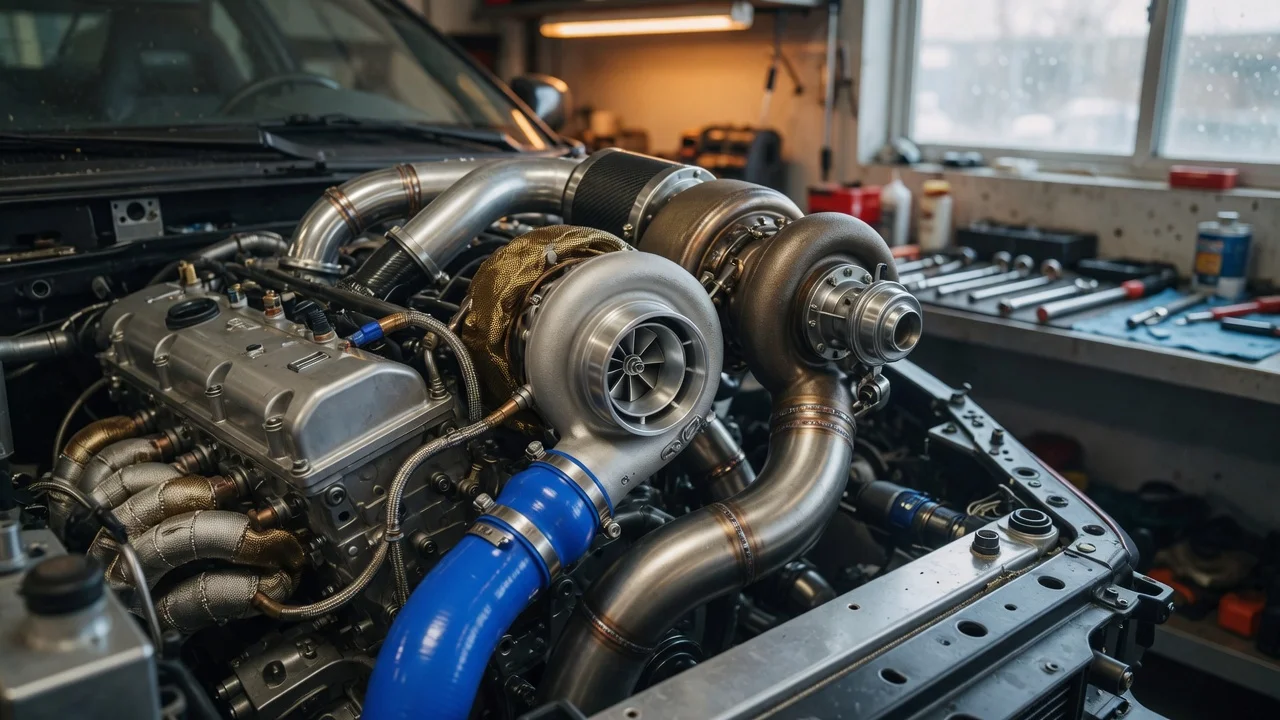
A turbocharger kit can add meaningful power to a naturally aspirated car, but it is not a simple bolt-on upgrade. The right kit depends on your engine, your goals, your local emissions rules, and how much supporting work you are willing to do. A complete kit typically includes the turbocharger, exhaust manifold, intercooler, piping, oil and coolant lines, fuel system components, and engine management changes. Buying only the turbo unit itself is rarely enough.
What a Turbocharger Kit Actually Includes
A turbocharger is a forced-induction device. It uses exhaust gas to spin a turbine, which drives a compressor that forces more air into the engine. More air, combined with the correct amount of fuel, produces more power. When a naturally aspirated car is converted to turbocharging, the parts that manage air, fuel, heat, and engine control all need attention.
Typical components in a complete car turbocharger kit: • Turbocharger unit; • Exhaust manifold or turbo header; • Downpipe; • Intercooler and charge piping; • Oil feed and drain lines; • Coolant lines, if the turbo is water-cooled; • Intake piping and air filter; • Larger fuel injectors; • Upgraded fuel pump, on some applications; • Engine control unit tuning solution; • Gaskets, fittings, clamps, and hardware
Kits vary by completeness. Some are sold as turbo-only kits and assume you already have a manifold, intercooler, or fuel system parts. Others are advertised as complete kits for a specific vehicle. Check the included parts list against your engine before purchasing.
Compatibility Depends on More Than Engine Size
A turbocharger kit must match the engine family, vehicle platform, model year, and often the transmission. For example, a kit designed for one generation of a 2.0-liter engine may not clear the firewall, subframe, or radiator of a different chassis using a similar engine. Automatic transmissions may need additional transmission cooling or torque management changes. Manual transmissions may need a stronger clutch.
Engine internals also matter. High-compression naturally aspirated engines are more knock-prone under boost. Running more than a few pounds of boost on a high-compression engine without lowering compression, improving fueling, or retarding ignition can cause detonation and engine damage. Some owners choose low-boost setups with conservative tuning, while others rebuild the engine with lower-compression pistons and stronger rods.
Supporting Modifications Are Usually Required
Adding a turbocharger changes the demand on several systems. The factory fuel system may not supply enough fuel at higher airflow. The cooling system may need help managing the extra heat. The brakes and suspension may need upgrades to handle the increased speed. A turbo kit without supporting modifications can lead to lean running, overheating, or repeated failures.
Common supporting changes for a reliable turbo conversion: • Engine control unit tuning or a standalone controller; • Larger fuel injectors and fuel pump; • Colder spark plugs with the correct gap; • High-quality engine oil and more frequent oil changes; • Upgraded radiator or oil cooler; • Stronger clutch for manual cars; • Transmission cooler for automatic cars; • Brake pad and suspension upgrades for the added power
Turbocharger Sizing Affects Driveability
A smaller turbo spools quickly and gives a strong low-rpm and mid-range response, but it may run out of airflow at high rpm. A larger turbo can support more peak power, but it may take longer to spool and feel laggy in normal driving. The best choice depends on how the car is used. A daily driver usually benefits from a smaller or medium-sized turbo, while a drag or track car may tolerate more lag for a higher peak.
Most production turbocharged cars use small or mid-sized turbos for responsive street driving. Aftermarket kits should state the compressor and turbine wheel sizes or the expected power range. If a kit does not provide this information, ask the manufacturer before buying.
Emissions and Legal Considerations
In many markets, adding a turbocharger to a car that was not originally turbocharged can affect emissions compliance. A modified exhaust, removed catalytic converter, or altered engine calibration may cause the car to fail inspection or violate regulations. Some turbo kits are labeled for off-road or competition use only. Check your local requirements before purchase, especially if the car is driven on public roads.
Reliability and Ownership Trade-Offs
Turbocharging increases cylinder pressure, exhaust heat, and load on the rotating assembly. Even a properly installed kit can shorten the life of a stock engine. Expect higher maintenance costs, more frequent oil changes, and closer monitoring of coolant and oil temperatures. The car may also consume more fuel under boost, though steady-speed fuel economy can remain similar to stock if the tune is efficient.
What to Check Before Choosing a Kit
Questions to answer before buying a car turbocharger kit: • Is the kit confirmed to fit my exact model year, engine code, and chassis? • Does the kit include a manifold, intercooler, oil lines, and hardware? • What boost level is safe for my stock engine? • Does the kit include an engine control solution? • Will my fuel system support the intended power level? • Is the kit intended for street use in my region? • What transmission and clutch upgrades are needed? • What are the expected oil and coolant temperature changes?
Gaps in Available Evidence
No specific kit prices, power figures, installation times, or vehicle-specific test results are provided here because those details vary by vehicle, market, kit manufacturer, and supporting modifications. Any compatibility or output claim should be verified against the kit manufacturer's application guide and your exact vehicle identification information.