Choosing a Turbo Heat Shield for a Subaru STI
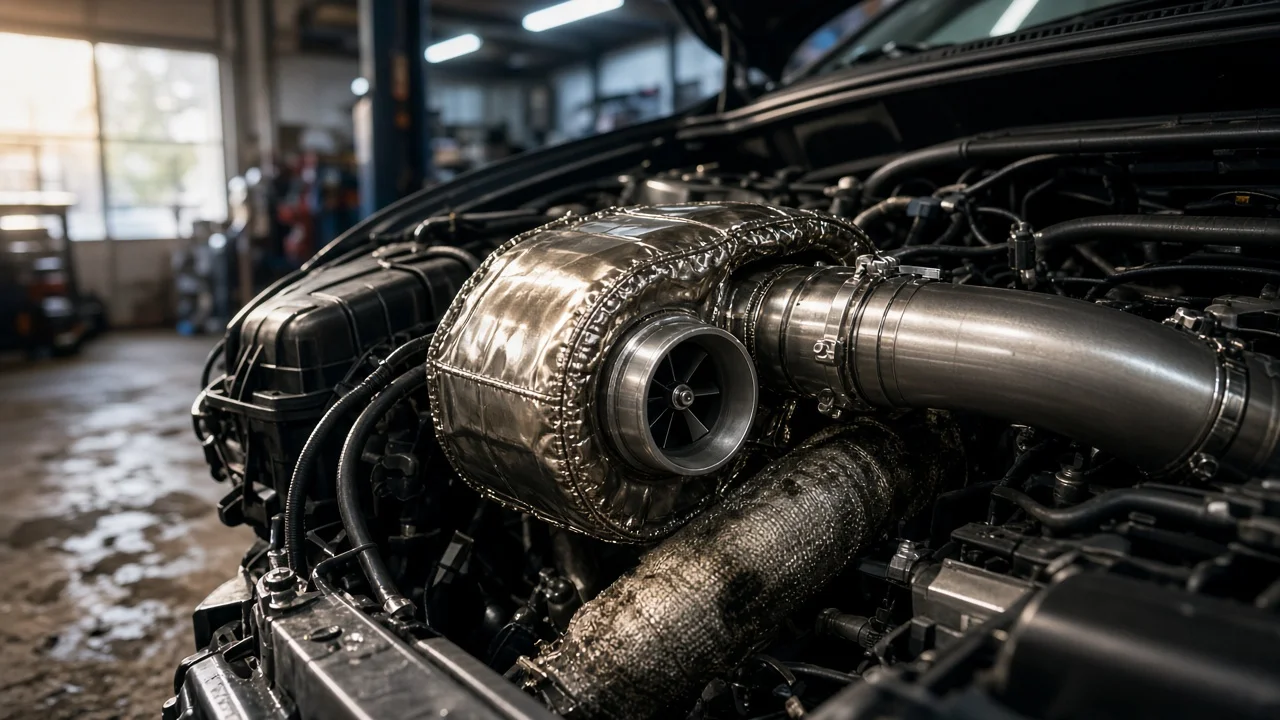
A turbo heat shield on a Subaru STI keeps turbine and exhaust heat away from hoses, wiring, the intake tract and nearby fluid components. Owners usually start shopping for one when a shield rattles, goes missing after a turbo or exhaust job, or needs to suit a modified setup. The right part depends on the car, its engine configuration and the problem you are actually solving. This guide covers that decision from a working mechanic's point of view.
Define the job the product must do
Start with the reason you need a shield. Most STI owners fall into one of three situations. The first is replacing a factory shield that is cracked, corroded or missing. The second is quieting a rattle. The third is managing heat on a modified car with a larger turbo, a different turbine housing, or an aftermarket up-pipe or downpipe. Each situation points to a different product. A factory replacement should prioritize exact fit. A modified car may need a shield or blanket made for the new hardware, because the original piece may no longer line up.
Separate symptom reports from verified failures before spending money. A metallic buzz at certain engine speeds, a hot smell after hard driving, or heat-soaked intake air are symptoms, and each has several possible causes. A rattle blamed on the turbo shield can also come from the up-pipe or downpipe shields, a loose exhaust hanger, or the wastegate linkage. Write down the symptom conditions: cold or warm engine, idle or under load, and the rpm range where it happens. Then inspect the engine when it is fully cool. Tap each shield by hand. Look for cracked mounting tabs, broken spot welds, missing fasteners, and discolored or brittle hoses and wiring nearby. Only a confirmed damaged or missing shield is a reason to buy a replacement.
Practical constraints narrow the field next. Consider whether the car is a daily driver, a weekend car or a track car. Consider your budget and whether you can do the work yourself. If the plan also includes an aftermarket up-pipe or downpipe, check local emissions rules first. Inspection programs care about those pipes and the catalytic converters in them, not the shield.
Check compatibility
Model year matters more than the badge. The US-market STI used the 2.5-liter EJ257 for its whole run, from the 2004 through 2021 model years. Even so, the body, turbo, exhaust routing and shield shapes changed between generations, so parts are listed by year range. Imported or engine-swapped cars may carry a different engine, such as the 2.0-liter EJ207, so confirm what is actually installed. Do not assume WRX parts fit because the cars look alike. From 2015 on, the WRX moved to a different engine with a different turbo layout, so a WRX heat shield from those years is not an STI part.
Next, check the interfaces. A shield has to match the mounting points on the turbine housing or exhaust flange. It also needs clearance from the intercooler, turbo inlet, coolant and oil lines, and wiring. Find out whether the turbo is still the factory unit. Aftermarket turbos often use housings that will not accept an original shield. The service history helps here: a previous turbo, up-pipe or exhaust job may explain missing shields or mismatched hardware, because shops sometimes discard pieces that fight the new parts. For a stock car, a part number matched to your VIN through a dealer parts department is the most reliable reference.
Features that affect the choice
There are three main choices. Factory-style metal shields fit predictably and stay rigid, but their tabs and welds can crack or corrode with age. Aftermarket metal shields may add an insulating layer or reflective coating, and fit varies by brand and by turbo. Turbo blankets wrap the turbine housing and cut radiant heat close to the source. Blankets have trade-offs. They hold heat in the housing and fasteners. They can soak up oil or coolant from a leak, which creates a fire risk. They also need secure retention so they cannot shift into hoses or linkages.
Learn to tell evidence from marketing. A claim that a product lowers underhood temperature by a certain amount means little unless the seller explains how, where and on which car and turbo it was measured. Labels such as race-proven or titanium describe materials or branding, not fitment. Useful evidence includes the stated temperature rating of the material, fitment listed by year and turbo, the hardware supplied, clear installation instructions, and photos that show the mounting points. Also check whether the design blocks access to nearby sensors or the wastegate actuator, since that makes later service harder. If a performance figure has no documented method, treat it as an unverified claim.
Limitations and ownership costs
On an STI, the turbo sits under the top-mount intercooler, so installation usually starts with removing the intercooler and its related plumbing. Fasteners around the turbine housing and exhaust go through repeated heat cycles and often seize. Budget for penetrating oil, new hardware, and the chance of a broken stud. If any exhaust joint is opened, plan on new gaskets. Torque everything to manufacturer specifications. Overtightened fasteners on a hot component can crack tabs or strip threads. If you pay a shop, labor for access may cost more than the shield.
A heat shield has clear limits. It will not fix a failing turbo, seal an exhaust leak, or cure high intake temperatures caused by intercooler problems. A shield does not set or clear diagnostic codes, so if the check engine light is on, read the codes and diagnose them separately. Plan for some upkeep. Recheck fasteners after the first few heat cycles. On blankets, watch for fraying, loose retention and oil contamination, and replace a soaked blanket rather than drying it out.
Build a practical shortlist
Use a short, repeatable checklist. Confirm the problem through inspection rather than symptoms alone. Record the model year, the engine actually installed, and whether the turbo and up-pipe are factory or aftermarket. Keep only products that state fitment for that exact combination. Compare shield type against your use and risk tolerance. Confirm that hardware and instructions are included. Weigh only documented evidence, not labels. Finally, estimate the total cost, including access labor, new fasteners and gaskets.
For a stock or lightly modified STI with a confirmed broken or missing shield, a VIN-matched factory replacement is usually the simplest and most predictable choice. For a car with a different turbo or housing, choose a shield made for that specific hardware. If no proper shield exists, a blanket can work, provided it is installed carefully and inspected regularly. If the shortlist ends up empty because nothing lists your configuration, take that as a reason to consult a shop familiar with your setup before buying parts that might not fit.