Trunk Lift Supports
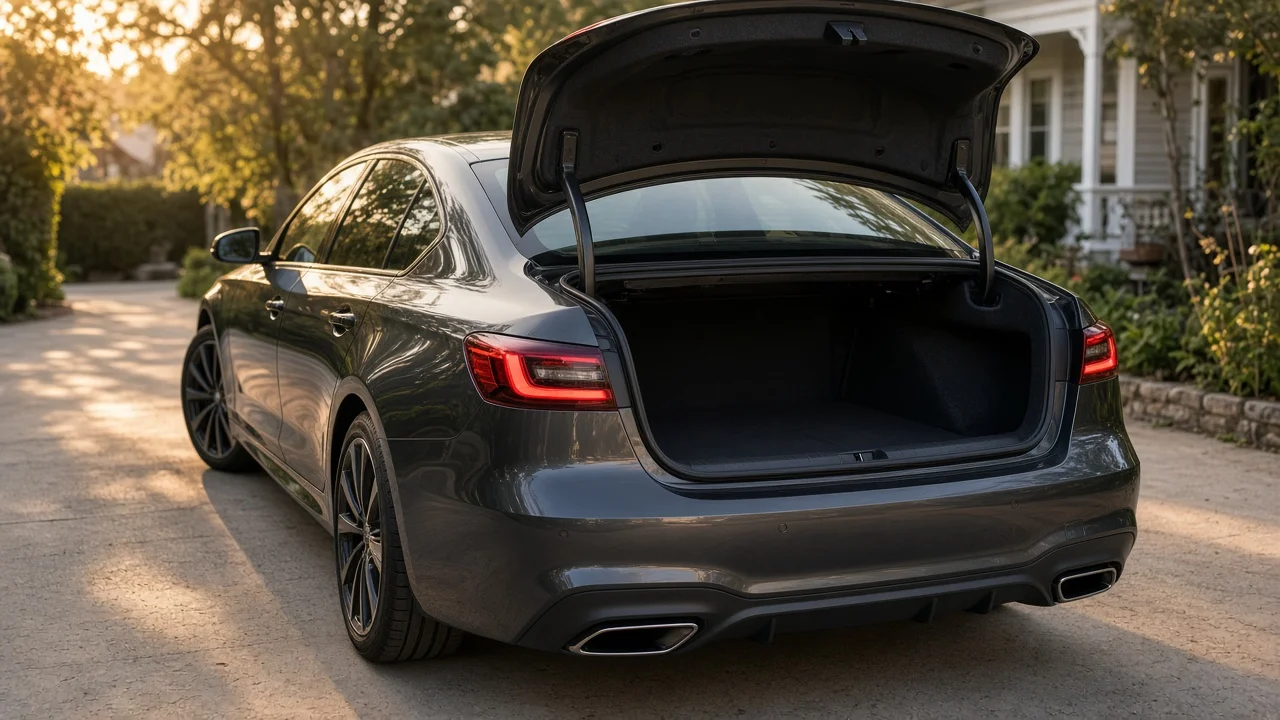
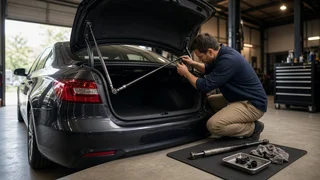
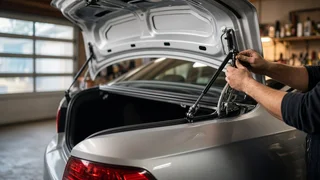
A trunk lid that drops unexpectedly or feels heavy to lift usually points to worn trunk lift supports. These gas-charged struts counterbalance the lid weight so the decklid stays open without a prop rod. Choosing replacements involves more than matching a photo; you need the right support force, extended length, and mounting stud configuration for your vehicle. Understanding how these parts work helps you buy a set that restores smooth operation, preserves hinge travel, and avoids the frustration of a lid that will not stay up.
The direct answer
For most vehicles, the direct answer is to replace trunk lift supports as a pair with struts specified for your exact model and trunk configuration. A lift support is a sealed gas strut that uses pressurized nitrogen and a small amount of oil to dampen movement. Over time, the internal seal can allow pressure to escape, reducing the support force that holds the lid at full extension. When one side weakens, the remaining strut works harder and wears faster, so replacing both at once is the more durable repair.
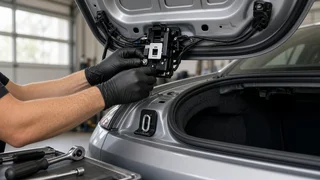
The practical purchase task is to match the physical dimensions and load rating, not just the vehicle name. Extended length must fit the available hinge travel without forcing the decklid beyond its designed arc, while the mounting studs need the correct thread and end fitting style. A strut with too little force will let the trunk fall, and one with too much force can make closing difficult or stress the sheet metal around the mounts. Vehicle-specific confirmation from the parts catalog remains the safest way to avoid a near match that fits poorly and fails early.