Trucks With a Manual Transmission: New and Used Options
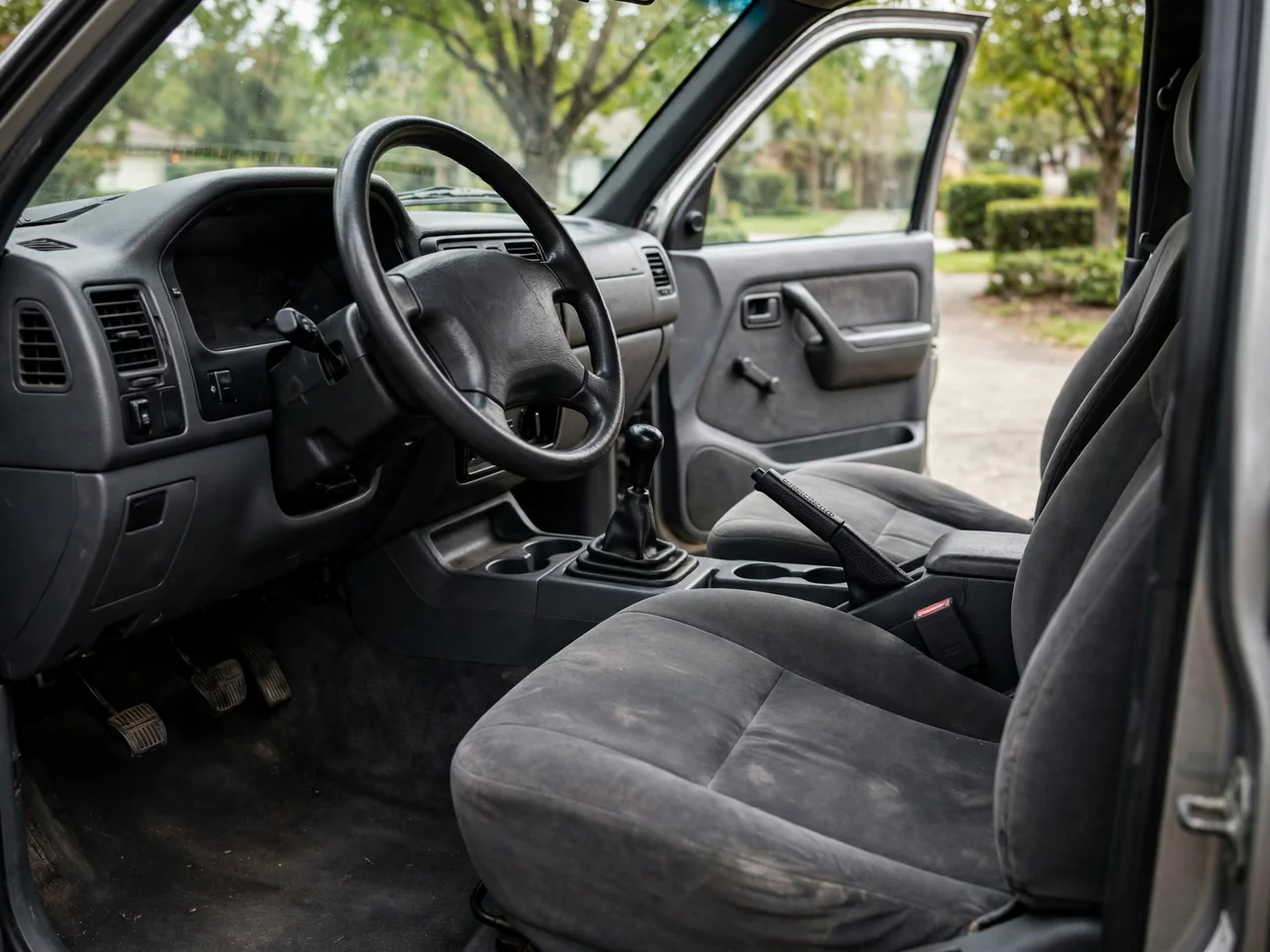
Shoppers looking for a manual transmission in trucks still have options, but most sit in the used market. A clutch pedal and stick shift once appeared across compact and heavy-duty pickups, including the Ford Ranger, Nissan Frontier, Chevrolet Colorado, and Dodge Ram trucks with the G56. New trucks with a manual transmission are uncommon in the United States, so model year and factory records matter more than a listing headline.
Finding a Factory Manual Pickup That Fits Your Needs
This search covers U.S.-market pickups, including heavy-duty pickups. Chassis cabs and larger commercial trucks still use manuals, but their ratings and licensing language do not transfer to a Colorado, Ranger, Frontier, or Ram pickup. A model name never proves a factory transmission. Availability depends on model year, engine configuration, drivetrain, trim, and cab configuration, so two trucks with the same badge can differ completely.
A window sticker, build sheet, or manufacturer equipment report should list a manual gearbox. Seller paperwork and interior photos of the clutch pedal, shifter, and shift pattern help when records are thin. Before choosing a truck for work or recreation, establish payload and towing limits for that exact configuration, including cab, bed, and installed equipment. Those figures come from the truck, not a generic brochure.
Which New Trucks Offer a Manual Transmission?
As of late 2026, buyers asking about new manual transmission trucks or a new truck with a manual transmission need current factory order data, not older brochures. U.S. pickup lineups have dropped most stick-shift offerings, so a model that once had a clutch pedal may no longer be orderable that way. Eligible trims, engines, and drivetrains belong only in that model year’s equipment information. If it does not list a factory manual, the configuration is not a confirmed new offering.
An advertised new truck may be a current factory order, dealer inventory, or unused leftover stock from an earlier model year. Leftover stock follows the prior year’s equipment rules. Overseas catalogs and aftermarket transmission conversion projects do not establish U.S. factory availability. A conversion can still be a usable used truck, but it is not evidence that a manufacturer still builds that combination for the American market.
Ford Ranger Manual Transmission Model Years and Configurations
A Ford Ranger manual transmission search must separate U.S. trucks from international Rangers that look similar in photos. Older U.S. Rangers were sold with a factory stick shift in some engine and drivetrain combinations, while later U.S. generations follow different rules. When a seller claims a manual transmission Ford Ranger, match the model year and engine to U.S. factory equipment for that generation instead of relying on the nameplate.
Listings often auto-fill Ford Ranger transmission manual fields from generic databases, so the text can disagree with the truck. Factory records, a build sheet, and a photo of the clutch pedal confirm what is installed. During a prepurchase inspection, note clutch engagement, difficult gear selection, unusual noise, and visible leaks. Those observations call for diagnosis, not a conclusion that a particular part has failed.
Nissan Frontier Manual Transmission Configurations to Search For
A Nissan Frontier with a manual transmission was a U.S. factory combination for part of the truck’s run, not for every cab, trim, engine, or drivetrain. King cab and crew cab trucks, four-cylinder and V6 engines, and two- or four-wheel drive were not interchangeable stick-shift options. The final U.S. model year with factory manual availability is the cutoff for used shopping, because later Frontiers can share body language without sharing the gearbox.
Claims of a Nissan Frontier manual transmission should be backed by vehicle records and interior photos of the clutch pedal, shifter, and shift pattern. Clutch service records, engine swaps, and a transmission conversion change inspection priorities. A professional prepurchase inspection can compare that history with current clutch engagement, gear selection, and leaks. Modifications do not automatically disqualify a truck, but the inspector must verify what is in the tunnel.
Chevrolet Colorado Manual Transmission Years and Equipment
Chevrolet Colorado manual transmission availability in the United States is generation-specific. Some earlier years offered a factory stick shift, while later generations did not carry that option across the lineup. A Chevy Colorado listing that cites only a generation, without model year, engine, cab, trim, and drivetrain, is incomplete. Not every truck from a manual-era generation is eligible, so check factory equipment for the exact year before treating it as a Colorado manual transmission candidate.
Year and engine details should be checked against that factory information before a visit, because ads often recycle a manual transmission Chevy Colorado description onto an automatic truck. On an ordinary test drive, notice gear selection, clutch engagement, and whether the shifter finds gates cleanly. Grinding, slipping, or persistent noise is not proof that the clutch or gearbox has failed. Refer those symptoms for professional assessment under normal street conditions.
Dodge and Ram Pickups With the G56 Manual
The G56 manual transmission is associated with certain Dodge Ram and Ram heavy-duty pickup applications, usually specific model years and diesel pairings in U.S. 2500 and 3500 trucks. A Dodge Ram with a manual transmission is not automatically a G56. Lighter Rams, earlier Dodge pickups, and conversions also exist, so confirm the installed unit from factory records. Factory G56 availability for those U.S. heavy-duty pickups has ended; used examples remain, not a current new-truck order.
On a used G56, towing history, engine tuning, clutch changes, and conversion documentation matter as much as mileage. Heavy work and a non-factory transmission conversion change wear patterns. A technician familiar with Dodge Ram heavy-duty trucks should assess clutch operation, gearbox noise, leaks, and modifications. Unusual noise is evidence to interpret, not a verdict that the G56 has failed. Wait for that assessment and for proof of the original factory configuration.
Heavy-Duty Manual Trucks: Ratings and Purchase Checks
Heavy-duty manual transmission listings mix classes. A Ram 2500 pickup, a medium-duty chassis cab, and a larger commercial truck can all be advertised that way, yet they are not interchangeable. Apply pickup notes only after identifying the class. Transmission type does not set towing capacity, payload, or trailer match. Those limits come from the truck’s ratings label, axles, brakes, cooling, and hitch equipment, not from the presence of a stick shift.
Use equipment records, door-jamb ratings labels, and the towing documentation for that VIN, including plow prep, fifth-wheel gear, and passenger-and-cargo load. Confirm transmission identity, collect service and modification records, and have a technician who knows the truck inspect it. Gear disengagement, severe vibration, and difficulty selecting gears warrant evaluation before purchase. Skip loaded stress tests and unsupported under-vehicle checks; those belong in a shop after the seller authorizes an inspection.