TriPac APU Oil Capacity: What to Know Before You Fill
Owners and fleet technicians often want a single number for TriPac APU oil capacity, but there isn't one figure that applies to every unit. The TriPac name covers several auxiliary power unit generations built over many years, and the oil quantity depends on which diesel engine your unit carries and whether the oil filter is being replaced. Some later TriPac versions are battery-electric and have no engine oil at all. This guide explains how to find the correct fill quantity for your unit, which oil to use, and how to fill and check the level without overfilling.
The Short Answer
The oil capacity of a diesel TriPac APU is set by the small engine that drives the unit's generator and compressor. That figure differs between TriPac generations and engine versions, and it is higher when the filter is changed than when only the oil is drained. The reliable way to get the right number is to identify your unit and engine, then check the maintenance information for that configuration. In practice, the dipstick decides the final fill: add oil in stages and stop at the full mark rather than pouring in a fixed amount.
What a TriPac APU Is and Why It Has Its Own Oil Supply
A TriPac is an auxiliary power unit (APU) made under the Thermo King brand for long-haul trucks. It mounts on the frame and provides cab heating, air conditioning, electrical power and battery charging while the truck's main engine is off, which cuts idling time and fuel use.
Diesel TriPac units use a compact diesel engine that is entirely separate from the truck's main engine. It has its own crankcase, oil filter, dipstick and service schedule. Oil put into the truck engine does nothing for the APU, and the APU's capacity has no relation to the main engine's. Treat the APU as its own small engine with its own maintenance needs.
Why Capacity Varies Between Units
Generation and model: The TriPac line has gone through several generations, and engine choices and oil system details have changed along the way. Engine version: Capacity follows the engine fitted to the unit, not the TriPac name. Filter change or not: Replacing the oil filter means the new filter must also fill, so the total is larger than an oil-only change. Residual oil: Some oil always stays in the engine after draining. How much depends on how long it drained and whether the unit sat level. Powertrain type: Battery-electric TriPac versions have no combustion engine, so there is no engine oil capacity to look up.
Identifying Your Unit
Before buying oil or looking up a fill quantity, confirm exactly what you are working on:
Find the unit's serial or data plate, usually on the APU housing or frame. It lists the model designation and serial number, which point to the right maintenance information. Check the engine's own identification plate or label for the engine maker and model. Note the hour meter reading on the controller or display. It shows where the unit sits in its service schedule. Confirm whether the unit is diesel-powered or battery-electric. If it has no engine, skip the oil question and follow the electric unit's maintenance schedule.
With the model, serial number and engine details in hand, a Thermo King dealer or the unit's operator and maintenance manual can give you the exact capacity and approved oil. Fleets often record this per truck so the right figure is available at each service.
Choosing the Right Oil
The oil specification matters as much as the quantity. Small APU diesels work hard: they run long hours at steady load, often in extreme heat or cold, and sometimes in short cycles that encourage moisture and fuel dilution in the oil. Use the oil the maintenance information calls for, and check these three points:
Service category: Heavy-duty diesel oils carry an API service category (such as the C-series categories). Use the category specified for your unit, or a newer one that the manufacturer accepts as backward-compatible. Viscosity grade: The recommended grade may change with ambient temperature range. Cold-climate operation may call for a lower winter grade so the engine cranks and gets oil quickly. Manufacturer approval: Some service schedules assume a particular oil type or extended-drain-capable product. Using an unapproved oil can shorten the proper drain interval and may raise warranty questions.
Many truck owners simply use the same heavy-duty diesel oil they put in the main engine. That can be acceptable if it meets the APU's specification, but check rather than assume, because the APU engine's requirements are set separately.
How to Fill and Check the Level Correctly
Because residual oil and filter volume vary, a careful fill prevents both underfilling and overfilling:
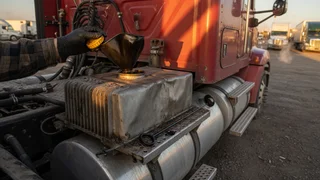
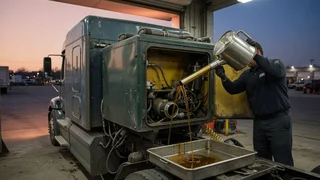
Park on level ground with the APU and main engine off. Drain the old oil fully and replace the filter if it is due. Pre-filling the new filter, where the mounting position allows, cuts down dry running at first start. Add somewhat less than the specified quantity, then wait a few minutes for the oil to settle into the pan. Check the dipstick and top up in small amounts until the level reaches the full mark. Run the APU briefly and look for leaks at the filter and drain plug. Shut it off, let the oil drain back, and check the dipstick again. Top up to the full mark if the filter took more oil.
Overfilling is a real risk on small engines. Too much oil can cause foaming, push oil into the breather or intake, and stress seals. If the level is clearly above the full mark, drain some out instead of leaving it.
Routine Level Checks Between Services
An APU can run many hours during a single rest period, so it adds operating time quickly. Checking the level at regular intervals, for example during pre-trip inspections, catches consumption or leaks before they cause damage. Always check with the unit off and level, and give the oil time to settle after the APU has been running. A level that drops steadily, or oil that looks milky or smells of fuel, needs a closer look rather than just topping up.
Service Intervals
TriPac oil change intervals are normally set by engine hours rather than truck mileage, since the APU runs while the truck is parked. The correct interval depends on the unit generation, engine, oil type and operating conditions. Heavy use, dusty environments, temperature extremes and frequent short run cycles can justify shorter intervals than the baseline schedule. Log the hour meter at each change so the next service is easy to plan, and change the filter on the schedule set for your unit.
Key Takeaways
There is no universal TriPac APU oil capacity. It depends on the generation and engine fitted to your unit. Battery-electric TriPac versions have no engine oil. Identify the unit with its serial plate and engine label, then get the fill quantity and oil specification for that configuration. The total is larger when the filter is replaced. Use the dipstick, not a fixed number, to set the final level, and recheck after a short run. Schedule oil changes by APU engine hours, using oil that meets the specified service category and viscosity.