Travel trailer insurance in Texas
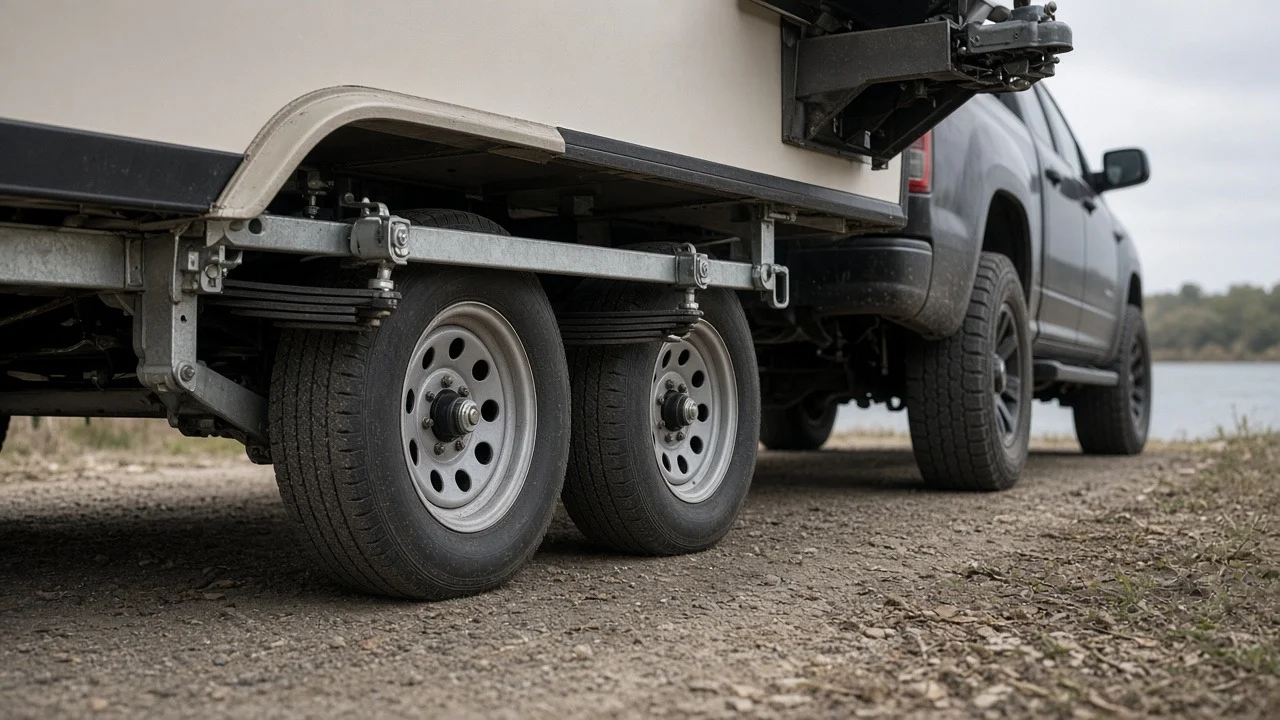
Texas travel trailer owners often misunderstand how insurance follows a towable RV after it is unhitched. The tow vehicle policy typically covers liability while towing, but a detached trailer parked at a campground, stored beside a house, or damaged by weather needs its own protection. A physical damage policy can respond to collision, theft, fire, hail, and most non-collision losses, while a liability form handles injuries or property damage connected to the trailer. Comparing deductibles, policy limits, and exclusions is the practical way to avoid a coverage gap when a claim occurs.
The direct answer
A Texas travel trailer generally needs a separate insurance policy unless an owner is willing to self-insure for loss. Auto liability often extends to a trailer while it is being pulled, but that coverage may stop once the trailer is parked. Lenders usually require comprehensive and collision coverage for financed units, and even a paid-off trailer can be expensive to repair after a hailstorm or highway accident. The right choice depends mainly on how the trailer is used, where it is stored, and its replacement cost.
The most useful first step is to compare the two parts of a policy. Liability coverage addresses damage the trailer causes to others, while comprehensive and collision coverage address damage the trailer itself suffers. A higher deductible lowers premium but increases out-of-pocket cost after a claim. Policy limits must be high enough to cover a serious campground injury or a multi-vehicle accident, not just a minor fender hit. Exclusions for full-time living, long-term stationary use, or unlisted drivers can also change whether a claim is paid in Texas.