Trailer Wheel Bearings: Sizes, Kits and Replacement
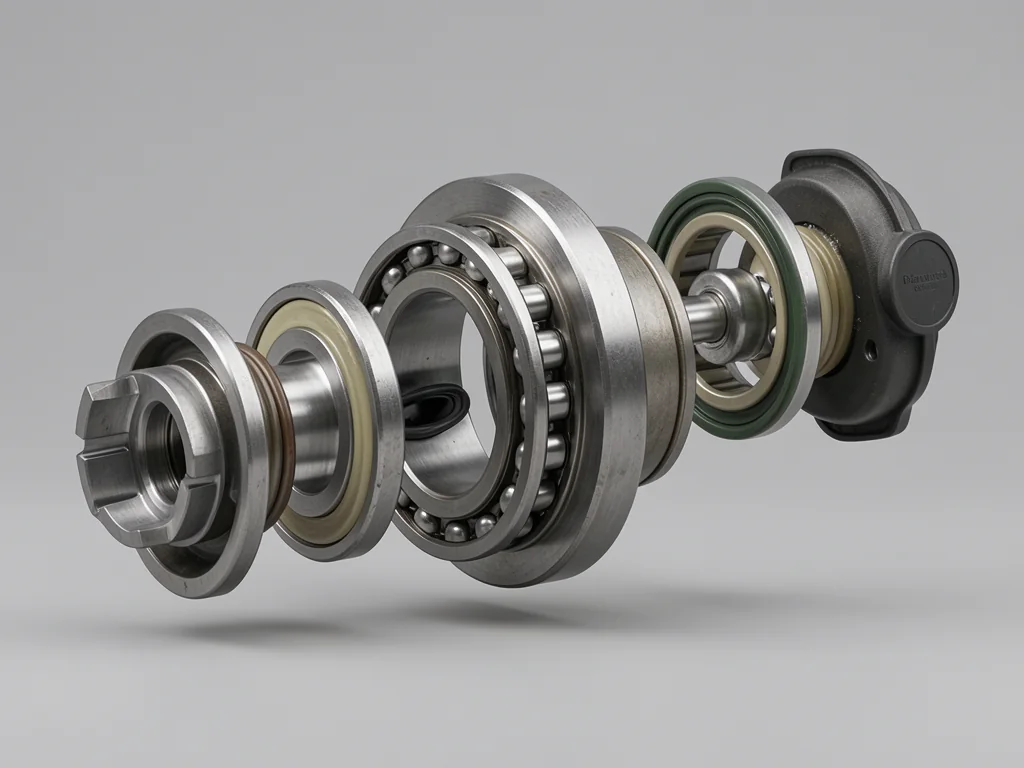
A trailer wheel bearing carries the load of every mile you tow, yet it rarely gets attention until something sounds wrong. Many modern car hubs arrive as sealed assemblies. Trailer hubs, by contrast, often use serviceable parts that must be identified, matched, lubricated and adjusted correctly. Once you know how those parts fit together, buying a kit and planning a replacement become much simpler.
Identify the Trailer Hub and Bearing Arrangement
Inside a typical trailer hub, the spindle is the fixed shaft machined onto the end of the axle, and the hub spins around it on tapered roller bearings. Each bearing's rollers run against a hardened race, sometimes called a cup, pressed into the hub bore. A grease seal at the back keeps lubricant in and dirt out, and a dust cap closes the outer end. Together these parts let the hub turn freely while carrying the trailer's weight and cornering loads.
Many utility trailers use an inner and an outer tapered roller bearing, with the larger inner bearing sitting behind the seal. Some axles use unitized hub assemblies, oil-bath hubs or other designs that change how service is done, so start by finding the axle tag, hub casting marks or manufacturer documentation. Wheel diameter, bolt pattern and the trailer's overall look say little about bearing fit. Different axles can share identical wheels while using completely different spindles and bearings.
Find the Correct Bearing Size and Part Numbers
The most reliable way to identify parts is by the numbers stamped or etched on each bearing and its matching race. Clean the parts enough to read them, and write down the inner and outer bearing numbers separately, since the two are often different sizes. The seal has its own markings or dimensions and must be confirmed on its own. One bearing number rarely describes the whole assembly, and ordering from a single number is a common way to end up with parts that don't fit.
When the markings are worn away, a parts supplier or technician may ask for the bearing bore, which matches the spindle diameter at that seat. They may also need the race's outer diameter and the seal's inside and outside dimensions where it meets the spindle and hub. Axle capacity alone can't answer the question, because axles with similar ratings can use different spindles. Worn surfaces also throw off measurements, so a scored spindle or a race that has spun in the hub can point you to the wrong part.
Check Kit Contents, Seals, and Cap Fit
Before you order a trailer wheel bearing kit, check exactly what's inside. A useful kit includes both inner and outer bearings, their matching races, the correct seal, and any retaining hardware the hub design calls for, such as a cotter pin or locking device. A package may cover one hub, one axle or some other stated quantity, so read the contents carefully and work out how many you need. If you assume one box covers both sides, you can end up with a trailer that's only half reassembled.
Check the seal dimensions and the diameter where the dust cap seats against the actual hub and the manufacturer's information, not a general size chart. A cap that's slightly loose can work free on the road, and one that's too tight may bend as it's driven in. The cap keeps water and grit out of the hub cavity. But a new cap can't fix a rough bearing, and it won't stop grease leaking past a failing inner seal.
Recognize Damage and Know When to Stop Towing
Warning signs worth checking include new grinding or rumbling from one wheel, visible wobble, grease flung across the wheel or tire, and a missing dust cap. None of these proves on its own that a bearing has failed. Dragging brakes can cause heat and noise, loose lug nuts can cause wobble, and tire defects can feel like bearing roughness. A careful inspection sorts out these possibilities before you order parts, so you don't replace good bearings while the real fault stays in place.
Some situations mean you should stop as soon as it's safe to do so: smoke from a wheel, severe noise, a wheel that looks unstable, or a hub you suspect is overheating. Don't touch a hot hub to check it. Arrange an inspection or a tow instead. Damaged bearings are replaced along with their races, not repaired. If the spindle is scored or the hub bore is damaged, the job may need further professional repair or a replacement hub or axle.
Understand the Bearing Replacement Process
Changing a trailer wheel bearing follows a set order. You identify the correct parts, support the trailer securely and get to the hub, and inspect every component. Then you replace damaged bearings, races and seals, lubricate the new parts, and check the finished assembly. During the inspection, a technician looks for pitting, heat discoloration or wear on the races, the hub's bearing seats and the spindle surfaces. They also check for grease on the brakes, since these findings decide how big the job becomes.
Bearing adjustment, how the nut is secured, and the final checks all depend on the specific axle or hub, so follow its exact procedure rather than a universal torque figure or nut routine. Supporting the trailer safely, pressing races in squarely and setting the adjustment all take proper tools and skill, so without them, professional service is the sensible choice. A finished repair should show the specified endplay, a securely locked nut, an intact seal, a properly seated cap and a correctly installed and torqued wheel.
Understand Grease Packing and Lubrication Requirements
Packing a bearing means working suitable grease through the cage so it reaches every roller and the surfaces they run on, not just smearing it on the outside. Seeing grease under the dust cap doesn't prove the rollers are properly lubricated. The grease should meet the hub manufacturer's specification and suit how the trailer is used. Color is no guide to compatibility, because manufacturers dye grease differently, and mixing greases with incompatible thickeners can make them lubricate less effectively.
If the old grease looks milky, gritty or burnt, or has metal particles in it, the fix is to take the hub apart, clean it and inspect it, not to add fresh grease on top. Grease fittings and spring-loaded bearing protectors each have their own approved service method. Forcing grease in under too much pressure can push past the rear seal or damage it. How often to service should follow the manufacturer's guidance and reflect how far, how heavily loaded and in what conditions the trailer actually travels.
Account for Boat Trailer Immersion and Bearing Service
A boat trailer wheel bearing faces conditions a dry utility trailer rarely sees. Hubs heat up on the road and then cool quickly when they're submerged at the ramp, which can draw water past a worn seal or a loose cap. That makes seal and cap condition even more important. Water contamination and corrosion are things to look for during inspection, not automatic verdicts. They can affect bearings, races and spindle surfaces, but a hub that has been underwater hasn't necessarily failed.
Kits labeled for marine use still need to be checked against the actual bearing, race, seal and hub specifications, because the label alone doesn't guarantee a fit. Replacement involves the same component inspection and model-specific adjustment checks as on any trailer. Pay extra attention to signs of water entry and to whether the hub uses bearing protectors, grease fittings or another lubrication system. Follow the hub manufacturer's guidance on immersion, and have a professional look at it if contamination or seal failure keeps coming back.