Trailer tire cupping causes
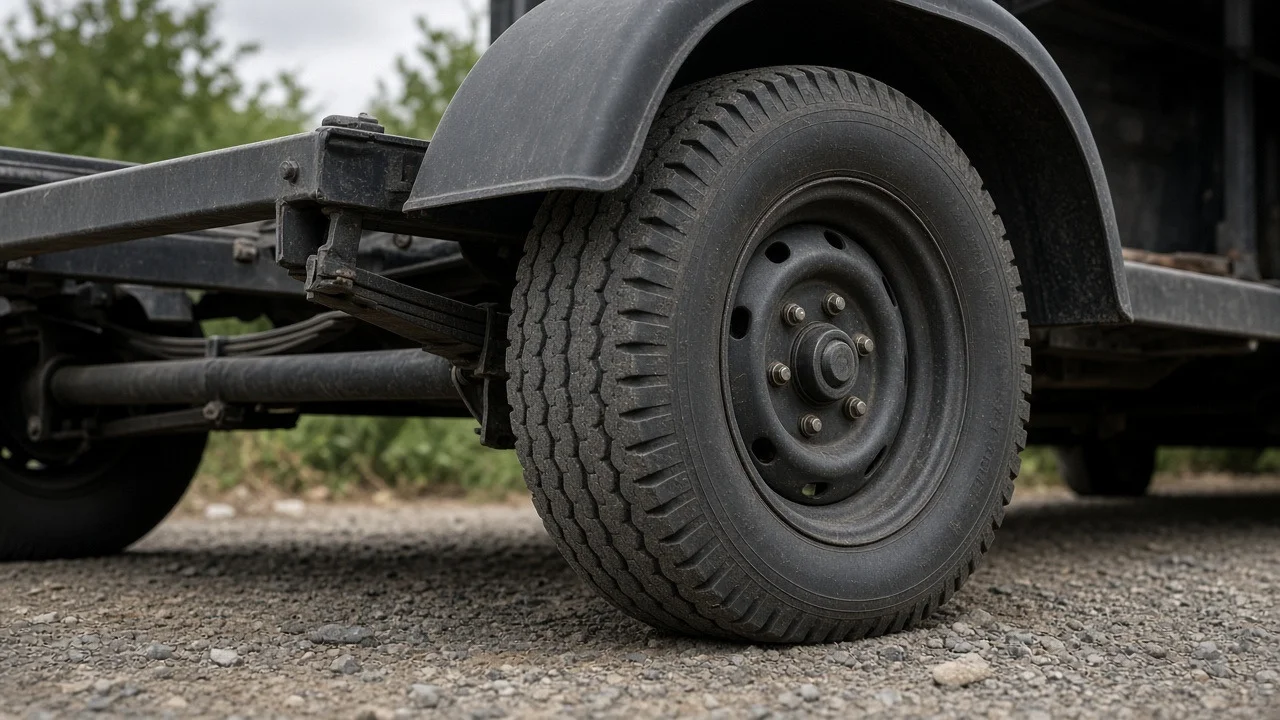
Trailer tire cupping is a wear pattern that turns an otherwise smooth tread into a repeating series of high and low spots around the tire circumference. The result is often a rhythmic slapping or thumping sound and a rough ride that transfers into the tow vehicle. Unlike even tread wear, cupping indicates a mechanical or dynamic problem rather than simple mileage accumulation. For trailer owners, finding the underlying cause matters because tread depth disappears quickly and tire replacement becomes necessary sooner than expected.
Essential answer
Trailer tire cupping usually means the tire is bouncing slightly as it rolls, so that sections of the tread contact the road with varying force. The high spots wear while the low spots remain, producing the scalloped or dished look. On a trailer this commonly points toward imbalance, worn suspension components, or a tire that is not running true. Identifying trailer tire cupping causes requires looking beyond the tire itself, because the tread is often recording a problem elsewhere in the axle, wheel, or hitch setup.
Inflation pressure and load also shape how cupping develops. A tire that is underinflated for its load index flexes excessively, which can generate heat and uneven contact across the tread. If the tire is asked to carry more weight than its rating supports, sidewall deflection increases and the contact patch becomes unstable. Checking the vehicle placard or trailer certification label for proper pressure gives a starting point. However, cupping in a localized repeating pattern more often reflects a dynamic condition such as suspension motion or wheel runout rather than pressure alone.