Trailer Hitch Types, Parts and How They Work Together
Choosing among the types of trailer hitch is easier once you understand that towing depends on a chain of matched components rather than a single piece of steel. This guide explains how receiver, bumper, gooseneck, fifth-wheel and pintle designs differ, what each supporting part does, and how ratings, wiring and inspection habits work together to keep a trailer safely connected to your vehicle.
What a Trailer Hitch Does and the Parts That Make Up the System
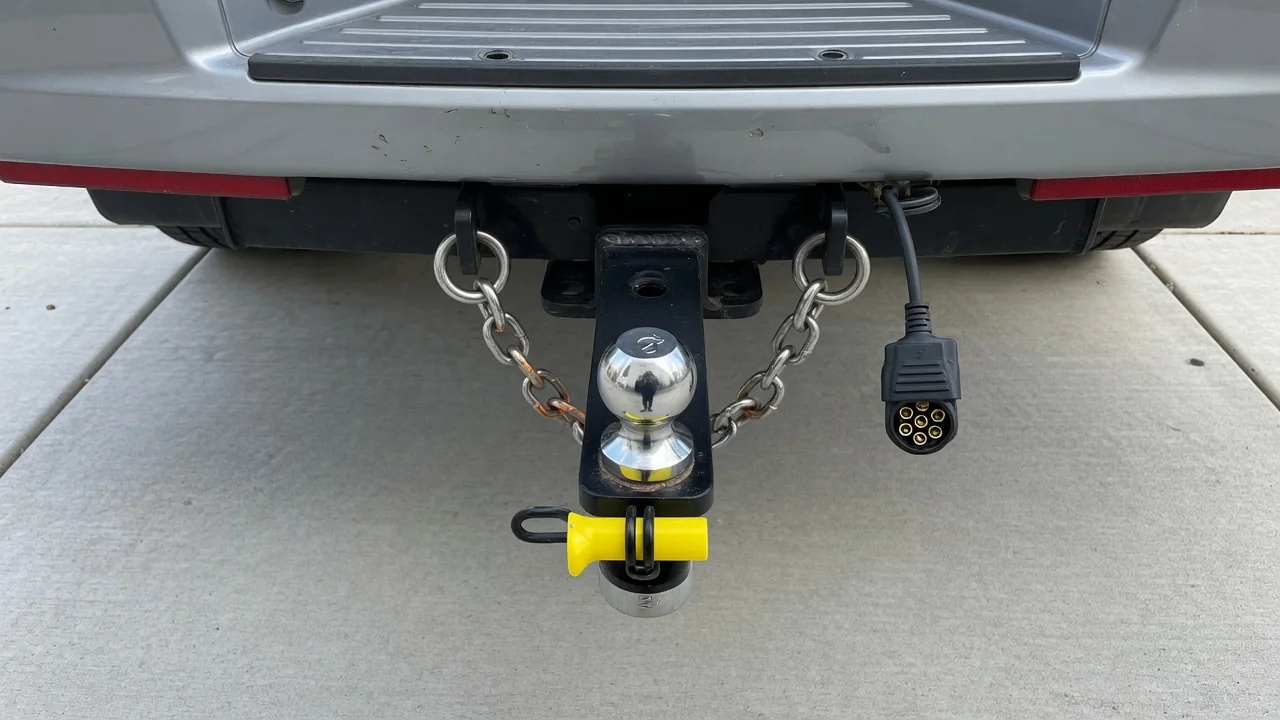
A trailer hitch is best understood as a system. The vehicle-mounted structure bolts to the frame or body, removable hardware creates the pivot point, the trailer coupler grips that pivot, and safety chains stand by as a backup. On a typical receiver setup, a square receiver tube accepts a ball mount, sometimes called a drawbar, which carries the hitch ball. A hitch pin and clip hold the ball mount in place, while a wiring connector powers the trailer lights.
Every time you accelerate, the vehicle pulls the trailer tongue forward through the ball and coupler; under braking, the trailer pushes back against the same hardware. Turning adds side loads, and tongue weight presses down continuously. All of that force travels through the ball mount and receiver into the vehicle frame. Because the load passes through each part in turn, the lowest-rated component sets the limit for the entire setup, and that includes the vehicle's own ratings.
Common Types of Trailer Hitch and the Towing Jobs They Suit
Receiver hitches are the most common type on cars, SUVs and pickups. They mount at the rear, attach to the frame or designated structure, and handle everything from bike racks and small utility trailers to boats and travel trailers, depending on their rating. A bumper hitch places the ball directly on a bumper or uses a bumper-mounted bracket, so its capacity depends on the bumper's own rating. Owners should look for that rating rather than assume the bumper can tow.
Gooseneck and fifth-wheel hitches mount in a pickup bed, placing trailer weight over or near the rear axle for heavier loads. A gooseneck hitch uses a bed-mounted ball that the trailer's coupler drops over, while a fifth-wheel hitch uses a plate with jaws that lock around a kingpin; neither is universally better. Pintle hitches pair a hook with a lunette ring for rugged utility work, and a front-mount receiver suits accessories such as winches. Hitch type alone never determines towing capacity; the vehicle's ratings and the hitch label both apply.
Receiver Hitch Classes, Opening Sizes and How to Read Rating Labels
Receiver hitches are grouped into classes, with a higher hitch class generally indicating a stronger design and, often, a larger receiver opening. Because ratings vary between manufacturers and applications, the label on the hitch itself is the reliable reference. It is usually a sticker or stamped plate on the hitch body, and it states the maximum gross trailer weight and maximum tongue weight. Some labels show separate figures for use with and without weight distribution equipment.
Gross trailer weight is the total weight of the trailer and everything loaded on it. Tongue weight is the portion of that weight pressing down on the hitch ball. Towing capacity is the vehicle manufacturer's limit, found in the owner's manual, and it may be lower than the hitch rating. Adapters that change receiver size and extenders that lengthen the connection add leverage and can reduce effective capacity, so check the manufacturer's guidance before relying on either.
Ball Mounts, Hitch Balls and Couplers: Getting the Connection Right
A ball mount slides into the receiver tube until its hole lines up with the receiver's, then a hitch pin and clip, or a locking pin, secure it. The hitch ball bolted to the mount must match the diameter marked on the trailer coupler. A ball that is too small can let the coupler lift off over bumps even when the latch appears closed, which makes a mismatch a serious safety problem rather than a minor inconvenience. The ball's own stamped rating matters as well.
Ball mounts come with different amounts of rise or drop so the ball height can suit the trailer. The goal is a trailer that sits roughly level when connected, since a nose-high or nose-low stance shifts weight between axles and can affect stability and tire wear. After coupling, look to confirm the coupler is fully seated over the ball, the latch is completely closed and secured, and the pin and clip are in place before driving away.
Safety Chains, Trailer Wiring and Brake Control Components
Safety chains keep the trailer attached to the vehicle if the coupler ever separates from the ball. The general practice is to cross them under the tongue so they can cradle it instead of letting it drop to the pavement. They need enough slack for turns without dragging on the road. A trailer wiring harness ends in a connector, commonly a flat style for basic lighting or a round multi-pin style with additional circuits, supplying running lights, brake lights and turn signals.
A trailer brake controller is a device in the tow vehicle that signals electric trailer brakes to apply when the driver slows, with an adjustable level of braking force. Whether trailer brakes are required depends on trailer weight and local regulations, so check the rules where you tow. Splicing into factory wiring can upset modern vehicle electronics and lighting monitoring systems. A vehicle-specific harness verified for your vehicle, or professional installation, is the safer route.
Weight Distribution and Sway Control Hardware Explained
A weight distribution hitch uses spring bars to lever some of the tongue load off the tow vehicle's rear axle and spread it toward the front axle and the trailer axles. Signs that a setup may benefit include a sagging rear end, steering that feels light or vague, and headlights aiming higher than normal. Those symptoms suggest the front tires are carrying less weight than they should, which can affect steering and braking response.
Sway control devices resist the side-to-side movement that crosswinds or passing trucks can start, using friction or the geometry of the hitch itself. They are a supplement, though, because correct trailer loading is the first defense against sway; too little weight on the tongue makes a trailer far more likely to wander. Before buying this equipment, check whether your vehicle manufacturer permits or recommends weight distribution, since some vehicles and some hitches are not designed for it.
Inspecting Hitch Parts and Knowing When to Get Professional Help
Before each trip, look over the hardware for heavy rust, cracks, a bent ball mount, a worn or pitted hitch ball, loose mounting points, damaged chain links or hooks, and corroded wiring contacts. On the road, clunking noises, unusual movement at the receiver or trailer lights that work intermittently are reasons to stop somewhere safe and have the setup inspected rather than pressing on.
Bolt torque, frame attachment and any structural repair belong with a qualified installer working from the hitch maker's instructions, because the mounting points carry every towing load and mistakes there are not visible from outside. Hitches are engineered for particular vehicles, and frames can differ between model years, trim levels and body styles. Confirm fit for your exact vehicle with the hitch manufacturer instead of assuming a hitch from a similar model will bolt up correctly.