Trailer hitch ball torque specs
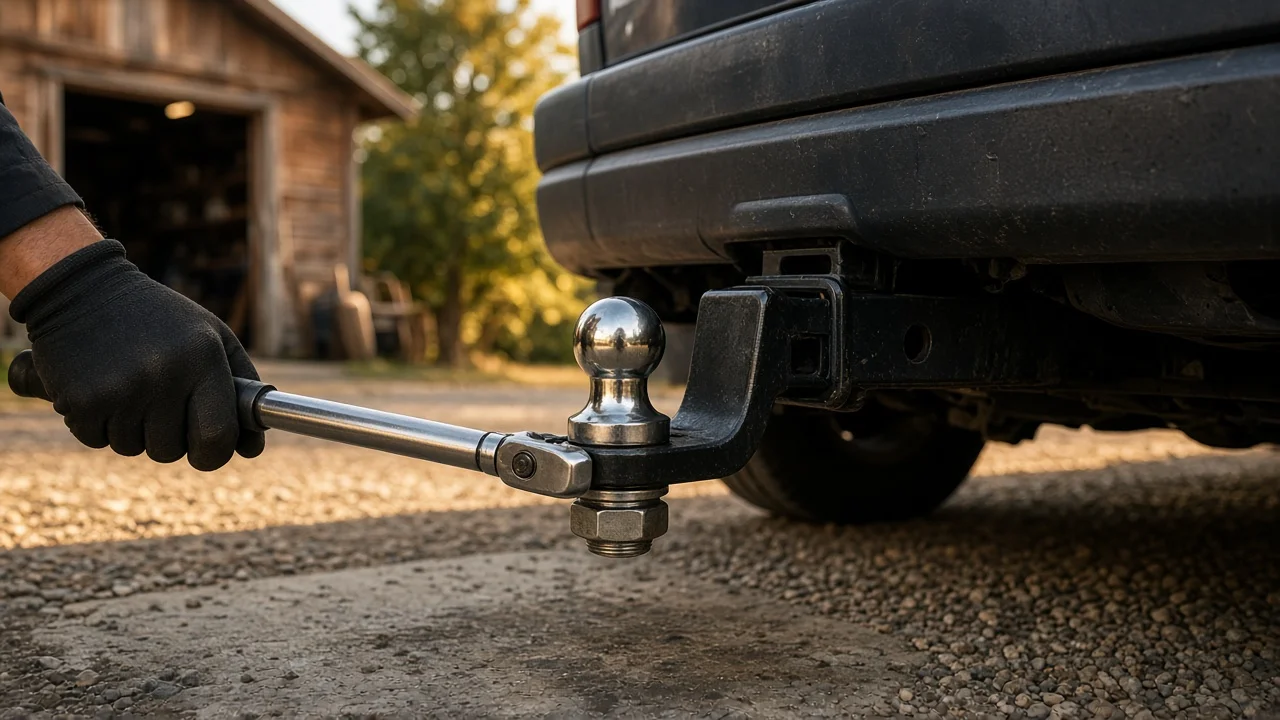
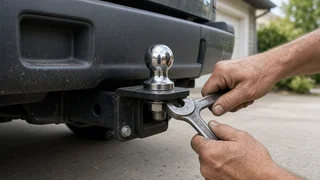
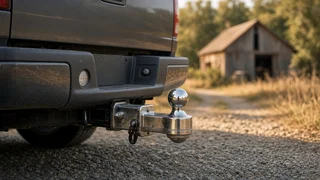
A trailer hitch ball is only as secure as its mounting hardware, and getting the clamp load right matters more than many drivers assume. The search for trailer hitch ball torque specs usually points to the rotational force needed at the nut or lock washer under the ball platform. There is no single universal value, because thread size, shank diameter, and material class change the safe installation range. The goal is a joint that resists loosening under brake pulses, road vibration, and the rotating load from the coupler without yielding the threaded shank.
Essential answer
The essential answer is that trailer hitch ball torque specs are a range, not one fixed number, and the correct value depends on the ball's shank diameter, thread pitch, and material grade. A 3/4-inch shank commonly uses less tightening force than a 1-inch shank, while a coarse thread may call for different handling than a fine thread. Torque creates clamp load that stretches the shank slightly, pressing the ball platform against the hitch bar. Too little force lets the ball rotate or loosen; too much can crack the platform or permanently stretch the threads. Because the nut operates near the yield point of the fastener, vehicle and hitch manufacturers usually publish a window for the specific configuration.
Without a confirmed value for a particular ball and hitch, the practical approach is to treat any number seen in a discussion as a starting point requiring verification against the hardware in hand. The grade marking on the ball shank and the stamped hitch rating influence what the joint can accept. A hitch ball is not a generic fastener, since it carries dynamic tongue weight and lateral forces. The torque spec protects the mating surfaces and the coupler connection. For this reason, a measured specification from the component maker is more useful than a one-size-fits-all figure found in a quick search.