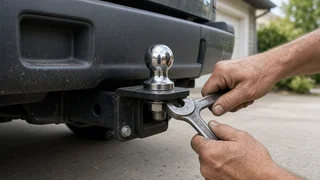
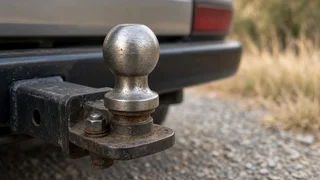
Trailer hitch ball capacity scale
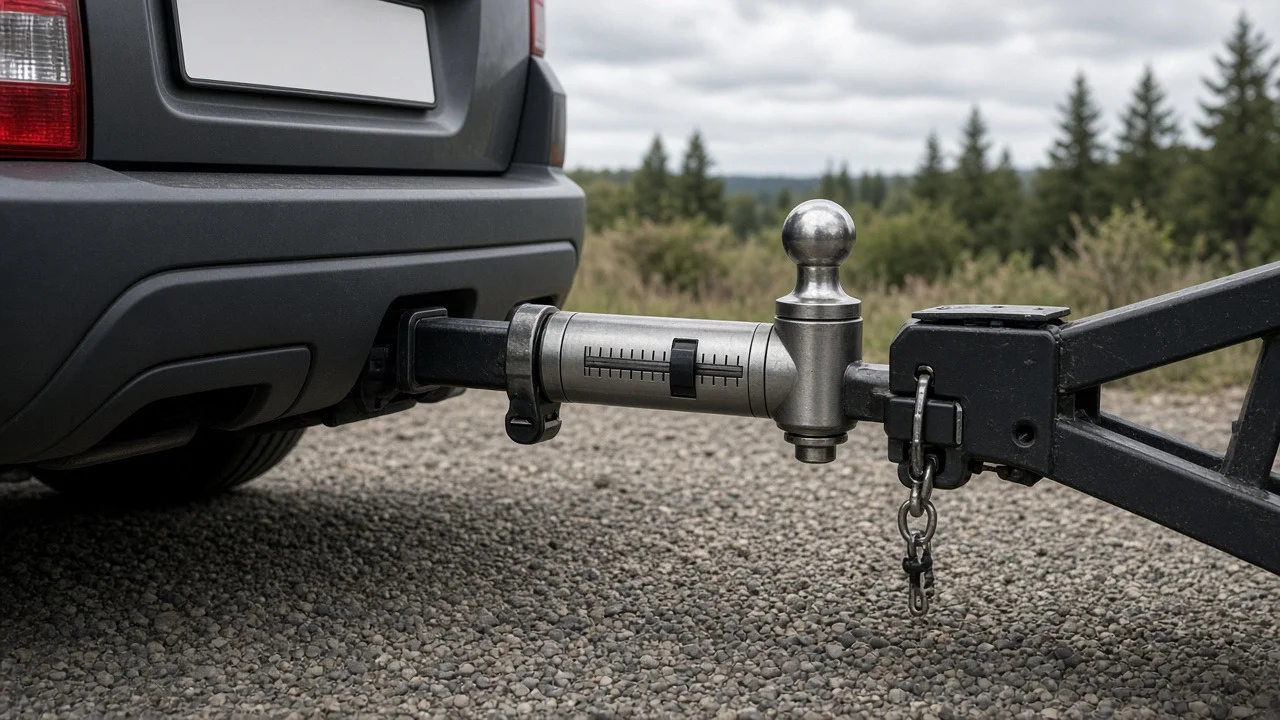
Choosing a ball mount with a built-in tongue weight scale changes how you monitor trailer balance before departure. Tongue weight directly affects stability, steering control, and how the hitch distributes load across the tow vehicle. A trailer hitch ball capacity scale integrates measurement into the mount, reducing reliance on a separate scale or repeated trips to a public scale. The key question is whether the displayed reading matches the actual vertical load at the coupler and whether the mount’s structural rating covers your trailer’s loaded configuration. Understanding payload, gross vehicle weight rating, axle rating, and combined weight rating helps you interpret that reading correctly.
The direct answer
A trailer hitch ball capacity scale shows the static vertical load applied at the hitch ball, which is the practical tongue weight you need to compare with the vehicle’s receiver and hitch ratings. The built-in gauge gives an immediate reference at the coupler, but its usefulness depends on the trailer sitting level, the tow vehicle being loaded as it will be on the road, and the mount fitting the receiver size and drop or rise needed for your configuration. The reading is a setup measurement, not a guarantee that the entire hitch system is within every rating.
Because the scale measures only the force at that point, you should still check that the loaded trailer does not push the rear axle over its individual axle rating and that the combination remains below gross vehicle weight rating and combined weight rating. Payload in the tow vehicle changes how much of the trailer’s vertical load can be accepted without overloading the rear suspension. A reading within the mount’s range therefore answers the direct tongue-load question while highlighting that other capacity limits are separate checks rather than part of the built-in scale’s measurement.