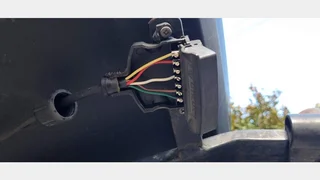
Trailer brake controller fuse
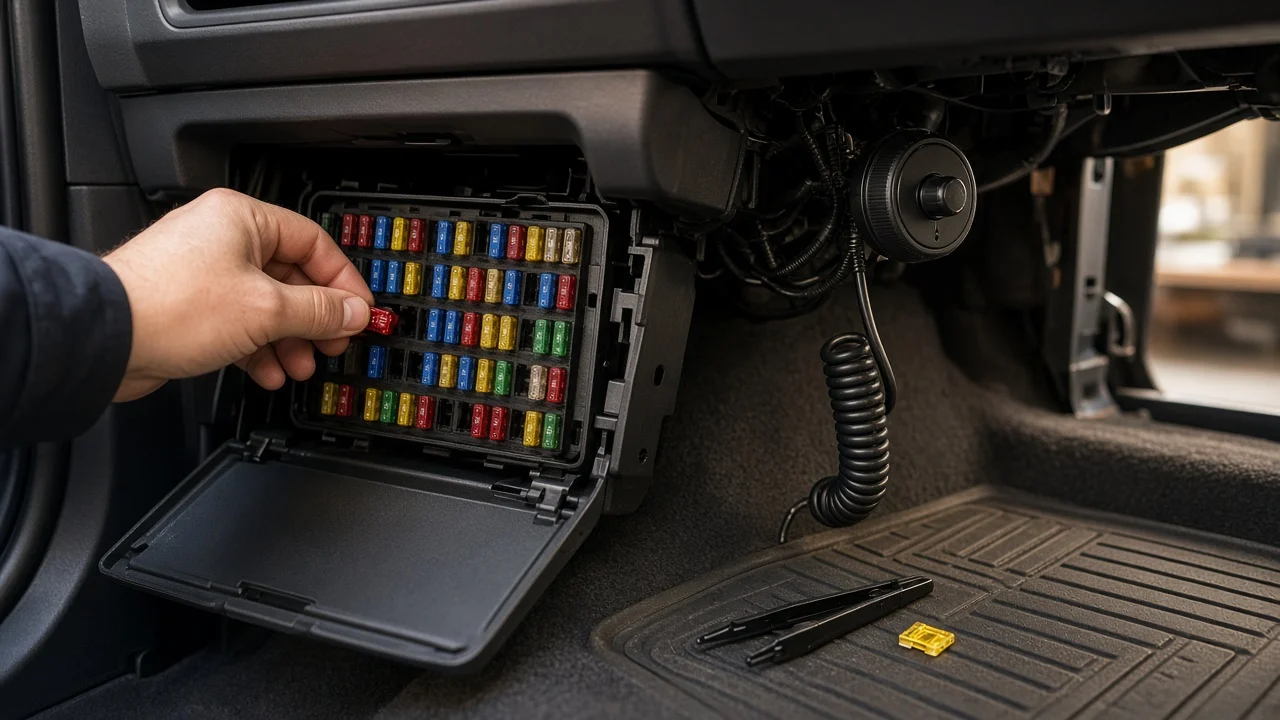
When a trailer brake controller stops illuminating or refuses to send a signal toward the trailer axle, the problem often begins at a single protective circuit point: the fuse for trailer brake controller power and signaling. A failed fuse can mimic a dead controller, a broken ground, or a faulty brake switch, so the diagnosis should start with that inexpensive and accessible component. Understanding what the fuse protects, why it opens, and how it relates to the brake circuit helps a driver separate an electrical protection event from a true controller failure without guessing or replacing parts blindly.
Essential answer
A fuse for a trailer brake controller is a replaceable circuit protector placed in the controller's power feed, its trailer brake output line, or the vehicle's stoplamp signal circuit. Its function is to interrupt current when an overload or short creates heat beyond the fuse rating. In many brake control installations, one fuse handles the memory and control power feed, while another protects the higher-current output to the trailer brake magnets. The exact location varies by wiring kit, vehicle harness, and whether the controller is a factory integrated trailer brake module or an aftermarket unit added under the dash.
When the fuse opens, the symptom changes according to which branch it protects. A blown output fuse may leave the display working while the trailer brakes do not engage. A failed power fuse can make the controller appear completely dead. Because the fuse reacts to excessive current on the circuit it serves, it is evidence of a fault condition, not proof that the controller itself has failed. A replacement fuse may restore operation, but repeated failure indicates a short in the wiring, a damaged brake magnet lead, or corrosion at a trailer connector that needs diagnosis before relying on the brake circuit for towing.