Toyota Tundra Wheel Bolt Pattern
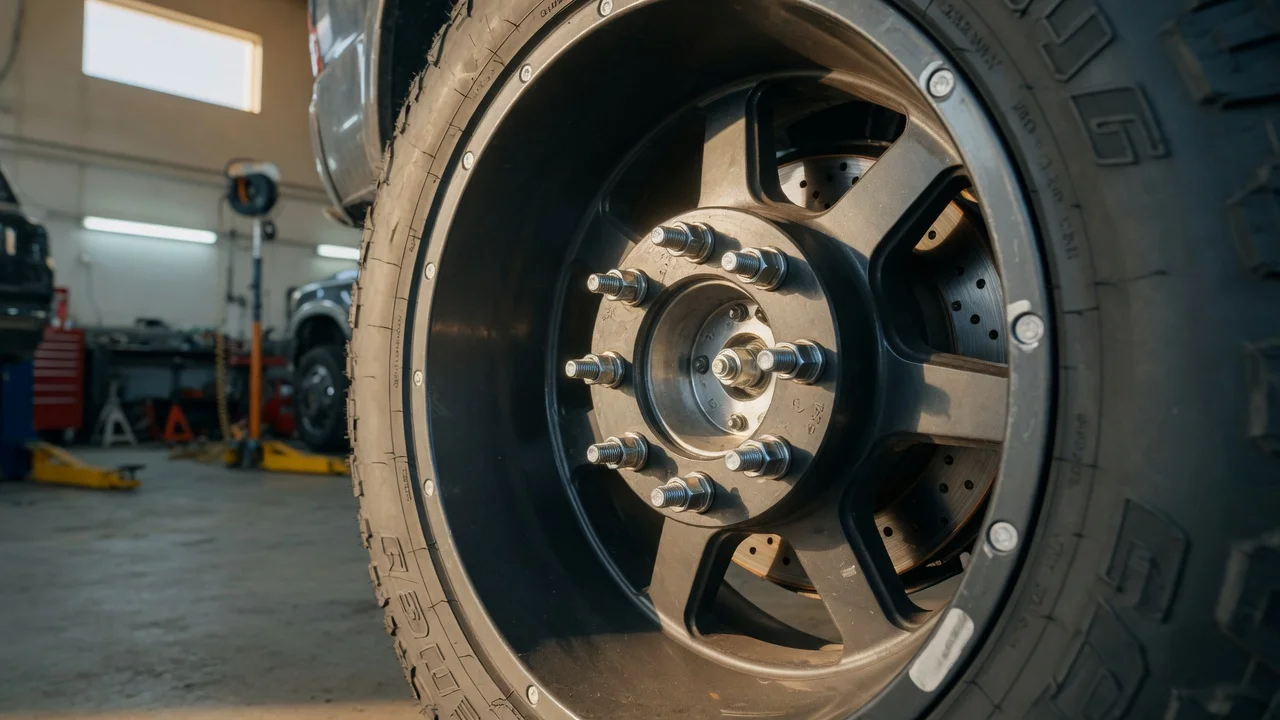
What is the Toyota Tundra wheel bolt pattern?
The current and most common Toyota Tundra wheel bolt pattern is 6x139.7 mm, often written as 6x5.5 inches. This means the wheel has six lug holes arranged on a circle with a diameter of 139.7 millimeters. The pattern applies to the second-generation Tundra from 2007 onward and the third-generation Tundra. It is also shared with many other Toyota trucks and SUVs, including the Tacoma and 4Runner, as well as several full-size trucks from other brands.
Model year and generation differences
The first-generation Toyota Tundra, sold for model years 2000 through 2006, uses a different bolt pattern from later trucks. Those early Tundras have a 6x139.7 mm pattern as well, but this is only part of the fitment story. The critical difference for the 2006 and earlier Tundra is the smaller hub bore and different factory wheel width and offset range compared with the larger 2007-and-later trucks.
For clarity: a 2006 Toyota Tundra wheel bolt pattern is 6x139.7 mm, matching the later trucks in lug count and bolt circle. However, factory wheels from a 2007 or 2008 Tundra are not always a direct fit on a 2006 Tundra because the hub diameter and brake package dimensions changed with the second-generation redesign. The shared 6x139.7 pattern means aftermarket wheels can often be used across years if the center bore, offset, and brake clearance are confirmed.
2007 and 2008 Toyota Tundra wheel bolt pattern
The 2007 Tundra wheel bolt pattern is 6x139.7 mm. The 2008 Toyota Tundra wheel bolt pattern is also 6x139.7 mm. Both years belong to the second-generation Tundra, which moved to a larger platform. The hub bore for the 2007 and 2008 Tundra is typically 95.1 mm, and the factory lug nuts use a 14x1.5 thread pitch. Confirming the hub bore matters because a wheel with the correct bolt pattern but an undersized center hole will not seat properly.
Why the bolt pattern alone is not enough
A wheel bolt pattern tells you the number of lugs and the diameter of the circle they sit on, but it does not describe wheel width, diameter, offset, backspacing, or center bore. For the Tundra, two trucks can share the 6x139.7 mm pattern and still require different wheels because of changes in hub size, suspension geometry, or brake caliper clearance. When comparing a 2006 Tundra to a 2007 or 2008 Tundra, always check the center bore and offset in addition to the bolt pattern.
Quick reference for common Tundra model years
Model year | Bolt pattern | Common hub bore | Lug thread; 2006 Toyota Tundra | 6x139.7 mm | smaller first-gen hub | 12x1.5; 2007 Toyota Tundra | 6x139.7 mm | 95.1 mm | 14x1.5; 2008 Toyota Tundra | 6x139.7 mm | 95.1 mm | 14x1.5
The table summarizes the commonly cited specifications. The 2006 Tundra hub bore is usually listed as 106.1 mm on some aftermarket guides, while later trucks use a different hub package. Because documentation varies, measuring the actual hub bore on a specific truck is the most reliable step before ordering wheels.
What to check before buying Tundra wheels
Confirm the bolt pattern is 6x139.7 mm for your model year. Measure or verify the center bore, especially when moving wheels between first- and second-generation Tundras. Check the wheel offset and backspacing against the factory range for your specific year and suspension. Confirm brake caliper clearance, particularly on 2007 and later models with larger brake packages. Verify lug nut seat type and thread pitch before installing aftermarket wheels.
Material uncertainty and fitment caution
Some aftermarket fitment databases list the 2006 Tundra hub bore differently from the 2007 and later trucks, and factory wheel specifications can vary by trim and optional packages. The supplied evidence confirms the shared 6x139.7 mm pattern across these years but does not fully document every factory offset or hub dimension for each trim. Treat listed measurements as reference points and verify them against the physical wheel and hub before final installation.