Toyota Tacoma Manual Transmission: Trims, Years, and Buying Tips
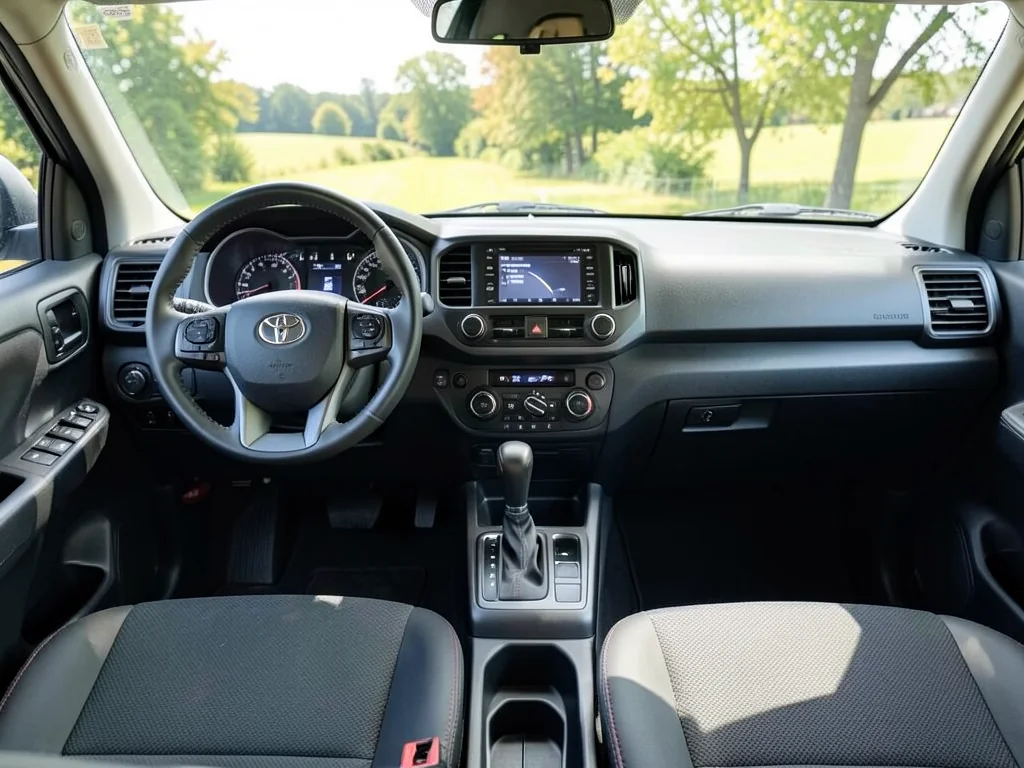
Shoppers looking for a Toyota Tacoma with a manual transmission still have options, but a clutch pedal is not available on every truck. Trim availability, model year, engine pairing, four-wheel drive versus two-wheel drive, and cab configuration all decide whether a factory stick shift was offered. This guide explains how a Tacoma manual transmission has been packaged across generations, including 2025 and 2026, and how to confirm the gearbox on a specific vehicle.
Finding a Toyota Tacoma With a Manual Transmission
This guide addresses factory-equipped, US-market Tacoma pickups rather than aftermarket conversions or trucks sold in other countries, where powertrain menus often differed. A Toyota Tacoma manual transmission is not a single option you can add to any build. Model year, trim, engine, drivetrain, and body configuration have to line up. A six-speed manual that existed on one trim in one year may have been automatic-only the next, and within a year the gearshift may have been limited to one engine pairing, one cab configuration, or a particular bed length.
Listing filters and ads are a starting point, not confirmation. Search sites sometimes inherit transmission data from a generic trim, and sellers can select the wrong gearbox from a drop-down. A result labeled Tacoma with manual transmission can still be an automatic. Confirm the actual truck with cabin photos that show the clutch pedal and gearshift, plus the window sticker or vehicle build record tied to the VIN. Written seller documentation helps, but a search result by itself does not prove factory availability or that the truck in front of you is a stick-shift Tacoma.
Manual Availability Across Tacoma Generations
US-market Tacoma production falls into four generations with distinct model-year boundaries. The first generation ran from the 1995 model year, introduced as a mid-year launch, through 2004. The second spanned 2005 through 2015, the third 2016 through 2023, and the fourth began with 2024. First-generation trucks commonly offered a five-speed manual with four-cylinder and V6 engines. During the second generation, a five-speed manual typically paired with the four-cylinder, while a six-speed manual generally paired with the V6, so gear count can hint at engine pairing on a used example.
The third generation concentrated the Tacoma transmission manual option around a six-speed paired with the V6, often on sport- and off-road-oriented trims, with a four-cylinder manual remaining in limited early configurations. Cab style, bed length, and four-wheel drive versus two-wheel drive further restricted which trucks could be ordered with a stick. Those limits changed inside generations, not only at redesigns. A trim or cab that accepted a manual one year sometimes lost it after a refresh. Use year-specific ordering information rather than assuming one configuration applied from the first year of a generation to the last.
2025 Tacoma Manual Trims and Configurations
For the 2025 Toyota Tacoma manual transmission, the factory six-speed was paired with the non-hybrid turbocharged 2.4-liter four-cylinder. The hybrid powertrain used an automatic only, so hybrid-exclusive trims such as TRD Pro and Trailhunter had no clutch pedal. US-market 2025 documentation offered the six-speed on TRD Sport and TRD Off-Road, generally with four-wheel drive and Double Cab bodywork. Bed length and package combinations were not identical between those trims, so confirm the exact cab, bed, and option set rather than treating every 2025 manual truck as interchangeable.
Package and powertrain restrictions still matter on eligible trims. Choosing the hybrid engine, a cab or bed not offered with the six-speed, or a drivetrain reserved for the automatic removes the clutch pedal. Factory availability also differs from dealer stock. A 2025 configuration can be a documented factory choice and still be scarce on lots, because many dealers order automatics they expect to sell faster. If no manual transmission Tacoma is in inventory, ask the dealer to locate another truck or discuss a factory order rather than assuming the option was never offered.
2026 Tacoma Manual Availability and What to Confirm
Do not carry 2025 trim lists forward when evaluating a 2026 Toyota Tacoma manual transmission. Low-volume combinations can be dropped mid-generation, and a six-speed can vanish from a trim, cab, bed, or drivetrain with little notice. Confirm 2026 Tacoma manual transmission availability from that model year's US ordering guide or official specification sheets before naming eligible trims. Until those documents list the engine, four-wheel drive or two-wheel-drive pairings, and body configurations that accept the stick, treat any inherited 2025 lineup as unconfirmed. Forum posts, early reviews, and listing sites that reuse last year's data are not a substitute.
On a specific 2026 truck, the window sticker is the practical proof. It lists the transmission with the engine, drivetrain, cab configuration, and installed equipment. If the sticker is missing, a dealer can usually retrieve the factory vehicle build record by VIN, and that record should match the cabin. During a walkaround, look for the clutch pedal, a proper gearshift, and cluster or console labeling that agrees with the paperwork. That check costs nothing and catches data-entry errors before you commit. Until year-specific documentation is in hand, leave individual 2026 trim names off the confirmed list.
Engine, Drivetrain, and Capability Questions
Identify the engine and whether the truck is two-wheel drive or four-wheel drive before comparing one manual transmission Toyota Tacoma with another. The VIN encodes basic powertrain data, and the window sticker or vehicle build record confirms it. Physical clues help as a cross-check: a four-wheel-drive truck has a transfer case control and a front driveshaft, while a two-wheel-drive truck does not. Engine badges and the underhood layout can support that reading, but badges can be swapped. Documentation linked to the VIN remains the more reliable reference for engine pairing and drivetrain.
Wanting a particular engine and drivetrain is not the same as that pairing having been offered with a manual in your target model year. Many Tacoma combinations were automatic-only, so check year-specific configuration charts. Towing and payload figures change with engine, transmission, drivetrain, cab, bed, and axle ratio, so use the ratings that match the exact truck in that year's documentation or on the door-jamb label, not a headline number. Some recent trucks include driving aids such as rev matching; how those features work belongs in the owner's manual for that year.
Checking a Used Manual Tacoma Before Buying
Begin with the service file. Look for documented clutch work, transmission repairs, fluid service, and modifications such as lifts, larger tires, or regearing, which can change drivetrain load. Compare those records with the owner's manual for that model year and how the truck was used; do not assume a universal interval. On a normal, lawful test drive, note clutch engagement, whether the pedal feels consistent and returns smoothly, and how every gear including reverse engages. Listen for grinding, whining, or clunks that change with clutch position or speed, and watch for engine speed rising without matching acceleration.
Those symptoms cannot, by themselves, isolate the clutch, the transmission, the hydraulics, or another drivetrain part. A hard shift might involve fluid, synchronizers, linkage, or hydraulics. A noise could come from a release bearing, the gearbox, the transfer case, or a driveline joint. Treat a stored fault code as evidence to interpret, not proof a part has failed, and confirm manufacturer-dependent codes for that vehicle. If concerns persist, leaks are visible, modifications are unclear, or history is incomplete, schedule a professional prepurchase inspection and request a written repair assessment that separates confirmed issues from possible ones before you buy.